Like Yangon, Almaty has had the rug pulled from under its feet: the seat of political power has been diverted to an unpopular mausoleum of unfortunate modernist architecture several hundred miles away, leaving only the physical relics behind. But unlike Yangon, which responded by descending into feral chaos, Almaty doesn’t seem to mind one bit. It has exhaled slowly, repurposed its Soviet-era bureaucratic behemoths, helpfully pedestrianized its resplendently wide boulevards (recall Stalin’s paranoia about the insurgencies plotted down narrow lanes) and settled into a sedate middle age.

Plenty of Soviet era behemoths, all gently decaying

Moday: Only one car parked outside the mayor’s office (formerly seat of national government).

Monday evening rush hour: not many takers for the Metro
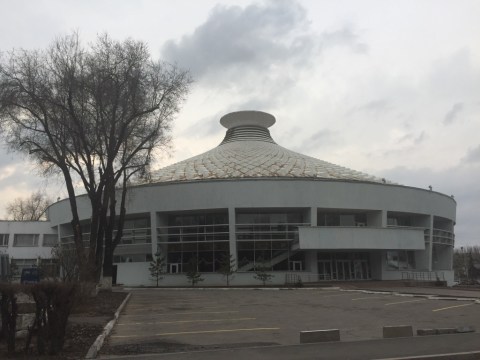
The Kazakh State Circus features in many books on ‘important’ Soviet Architecture.
On this balmy weekend where the prevailing color is nonetheless still monochrome, serene ‘passeggiatas con gelato’ are in progress, and in the piazzas the serious children are playing sedately. It is no place for disaffected youth, so there aren’t any. The millenials are pleasant and unfailingly helpful. Their English is excellent and they are planning to go to Europe for further studies (no-one is interested in the USA).

Sedate passeggiatas down the pedestrianized boulevards.
Three of my goals for this weekend in Almaty (long showers, laundry, eat vegetables) are handily achieved thanks to my nifty little Soviet era apartment, courtesy of Airbnb. Fantastically located in the middle of downtown it is decrepit enough the developers should be circling; but since every road has 3 names – its Soviet name, its current name, and what people actually call it – it has probably simply slipped through the cracks. So its pensioner tenants, who are within a 5 minute walk of anywhere worth being, are left in peace.

Dinner in my Soviet era kitchen: Rosti with salad and mushrooms. Note the bread, but she was right, I didn’t need an egg.
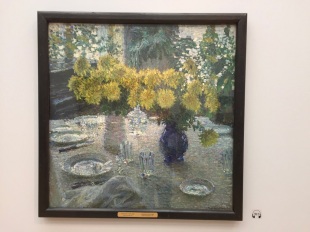
I amble around, shop for Tashkent tomatoes at the farmer’s market, take in the ballet and a museum or two, eat a gelato and am restored.


Pig and cow feature prominently in the farmer’s market, but horse isn’t similarly advertised.
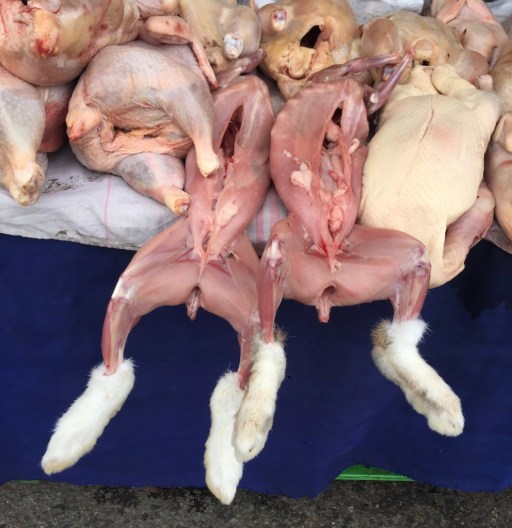
Just so you don’t think its chicken.

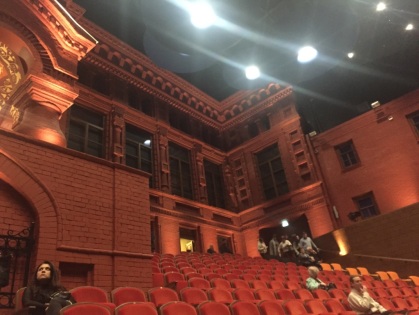
Another ambitious opera theatre.

Everyone was still awake in Act 2, so unlikely to be Sleeping Beauty (as advertised).
And just as well because task 4 is picking up my visa from the Iranian Embassy. Since I have in my hand a document from the Iranian government indicating that at my convenience I will be persona grata for a period not exceeding 20 days, this should be a formality. I have set aside the whole of Monday in case it is not.
A tragicomedy in two acts: Act 1.
Cast: Me; A security guard; Two gents; A secretary; Dr. Jekyll; Mr. Hyde; A Bank Cashier; 8 Uber drivers.
Scene 1: It is early on a dank morning in a ramshackle subdivision about 40 minutes from the center of Almaty, identified from Google maps as the location of the Iranian embassy. The curtain rises on a vast compound that covers a whole block. The walls are at least twelve feet high. Somewhat surprisingly, only one door is not padlocked. The buzzer is not wired up. After much banging the door opens.
Me: I’ve come to pick up my visa
Security guard: Unintelligible
Me: (proffers Google translate which says ‘I’ve come to pick up my visa’).
SG: Unintelligible, mimics not having glasses.
Me: Is this the Iranian embassy?
SG: Shakes head.
Me: Where is it then?
SG: Unintelligible.
Me: Well can you call someone to help me because I’m not understanding you at all.
SG: Points to the basement of what appears to be a deserted building in the middle of the compound.
Scene 2: The only room occupied is on the 2nd floor – two gents with jihadi beards and their Central Asian secretary.
Me: Is this the Iranian embassy?
Gents: No, it moved 10 years ago. We’re (they exchange glances) a Chinese oil company.
Secretary: Looks surprised. (The secretary retrieves a sheet of typed directions to the actual Iranian embassy).
Secretary: Would you like an Uber?
(Aside: Every second car in Almaty is a taxi and Almaty Uber is the cheapest in the world. Over the next few hours I will take 8 Uber rides for a total outlay of $14).
Uber driver #1: Iranian embassy?
Scene 3: 30 minutes later. It is still dank but this subdivision is marginally less ramshackle, as is the compound. This gate is wide open and astonishingly there are no metal detectors (even the malls in Almaty have metal detectors). At the end of the empty, appallingly decorated room is a wall of bullet proof glass. The gun slit to peer through is inconveniently located at upper chest height.
Me: (through gun slit) Hello, I’ve come to pick up my visa.
Dr. Jekyll: Passport.
Me: (proffers passport and Iranian Government letter).
Dr. J. : No
Me: What no? I have the letter.
Dr. J: Yes, and we have the visa (pulls down a ledger, and there I am inscribed within ).
Me: So what’s the problem?
Dr. J: No application form. We need online application form.
Me: What do you mean? I don’t have that form, you have it. Did you approve the visa?
Dr. J: No, Tehran.
Me: So Tehran has it.
Dr. J: Your tour organizer made mistake.
Me: What mistake? Tehran approved it.
Dr. J: Go back and fill in again online.
Me: You want me to go home and fill in the online application form again?
Dr. J: Yes.
Me: And then come back?
Dr. J: Yes. Then you pay 360 Euros and we give you visa today.
(I contemplate bursting into tears, but a strategic retreat seems wiser, given we are at a yes)
Uber driver #2: The name (of my apartment) is not Nazerbaev 112, it is Furmanov 112.
2 hour interlude. Via email my internet dude tour organizer offers his best suggestion: ‘do anything they ask’. But I am unable to complete the online visa application. Finally the Iranian government confesses its website is down for maintenance. I screenshot the message and, preparing for battle, gird my laptop in a plastic grocery bag.
Uber driver #3: Iranian embassy?
Scene 4: 40 minutes later, the same room. A few unhappy Kazakhs are lounging on the ugly, plastic-covered sofas. On the other side of the gun slit sits Mr. Hyde.
Me: I just need to tell you I couldn’t fill…
Mr. Hyde: Yes, yes, obviously anyone should realize if you already submitted a successful application you can’t submit another one.
Me: (Bites lip). OK. So what then?
Mr. H: Go to the State bank of Pakistan and pay 180 euros. Visa is ready after 5 business days.
Uber driver #4: State Bank of Pakistan?
Scene 5: 30 minutes later in a strip mall, the State Bank of Pakistan.
Pakistani Bank cashier: 180 Euros is 71,475 Tenge.
Me: Can I pay with a card?
PBC: No
Me: Do you have a Bankomat (ATM)?
PBC: No.
Uber driver #5: Bankomat?
15 minutes later
Uber driver #6: State Bank of Pakistan?
20 minutes later
Uber driver #7: Iranian Embassy?
Scene 6: 30 minutes later. The same room. The Kazakhs have left. Through the gun slit Dr. J. is back. He looks sullen, even after lunch.
Me: Here’s the receipt. For 180 Euros.
Dr. J: Yes
Me: (opens laptop and indicates calendar) I’m coming back on April 12th. I will pick up my visa then.
Dr. J: Yes
Me: Will you write me something to say that will be OK?
Dr. J: No.
Uber Driver #8: The name is not Nazerbaev 112, its Furmanov 112.
It has taken over 8 hours.
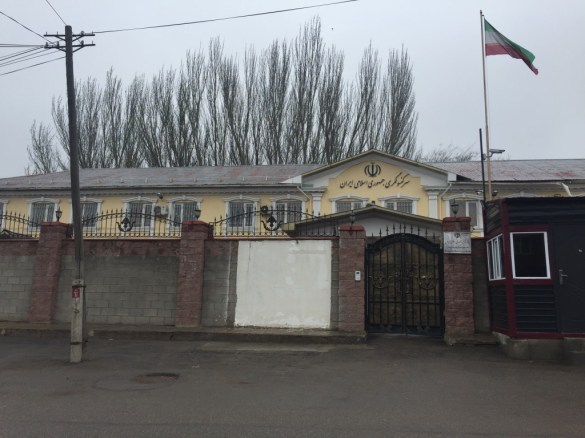
The Iranian embassy, Almaty
I have 2 gin and tonics with dinner at the Korean restaurant round the corner.
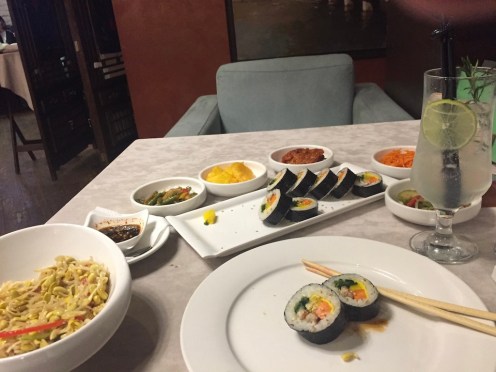
Gin and tonic number 1
Act 2 will be performed on April 12th.

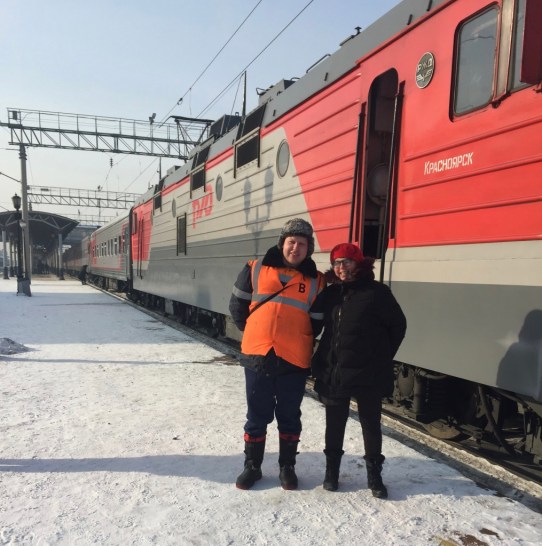
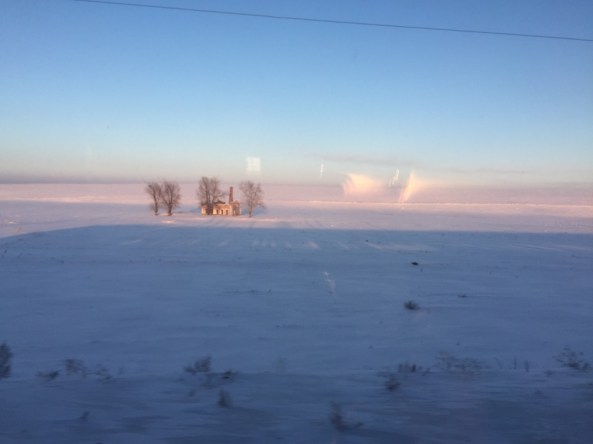


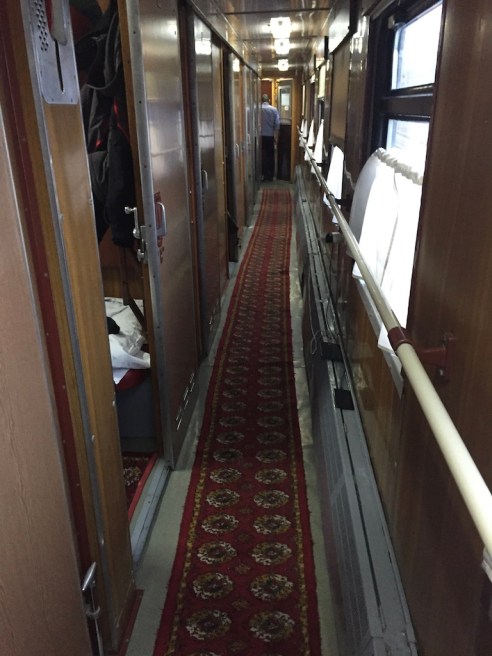

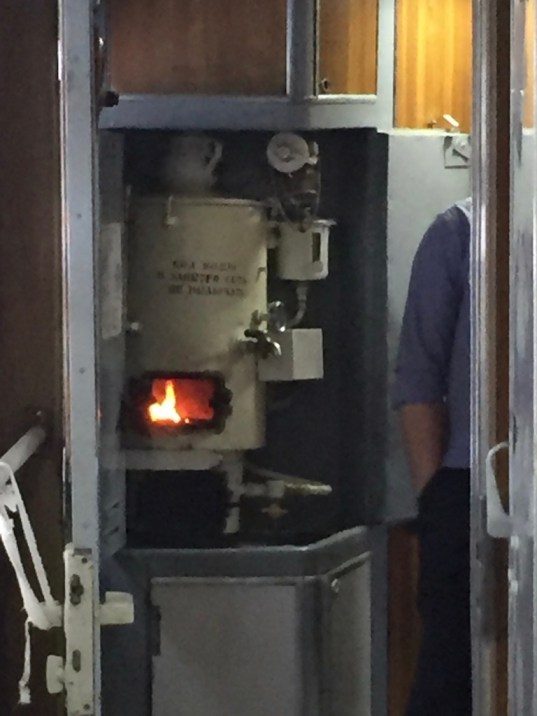
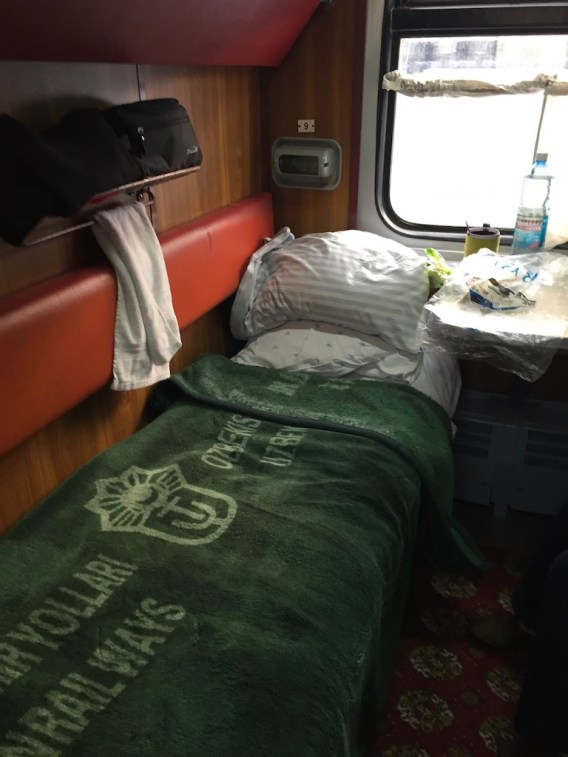
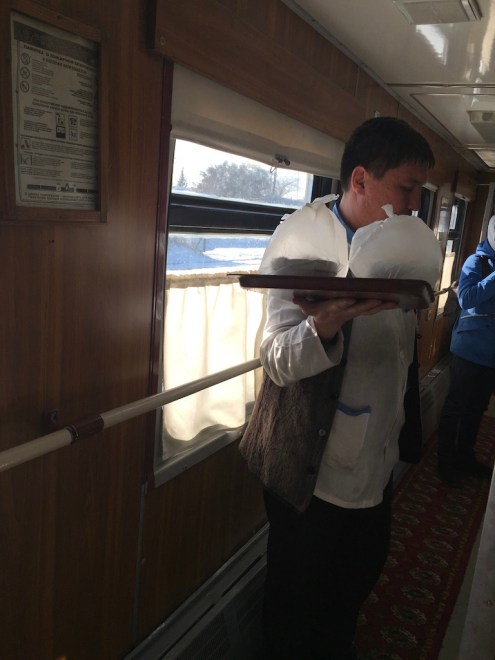

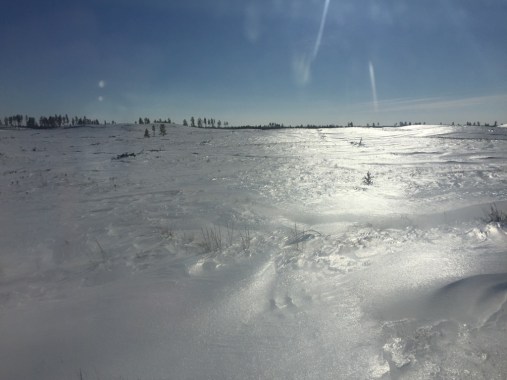

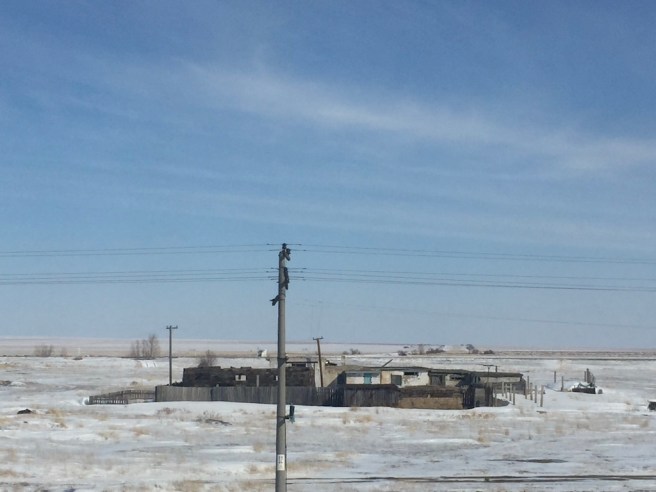

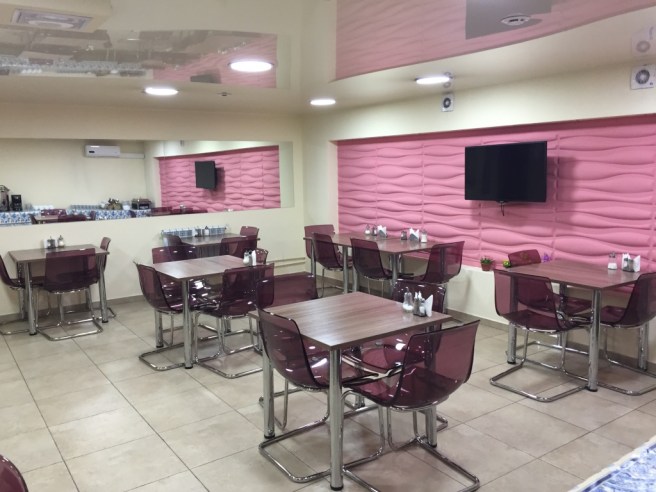
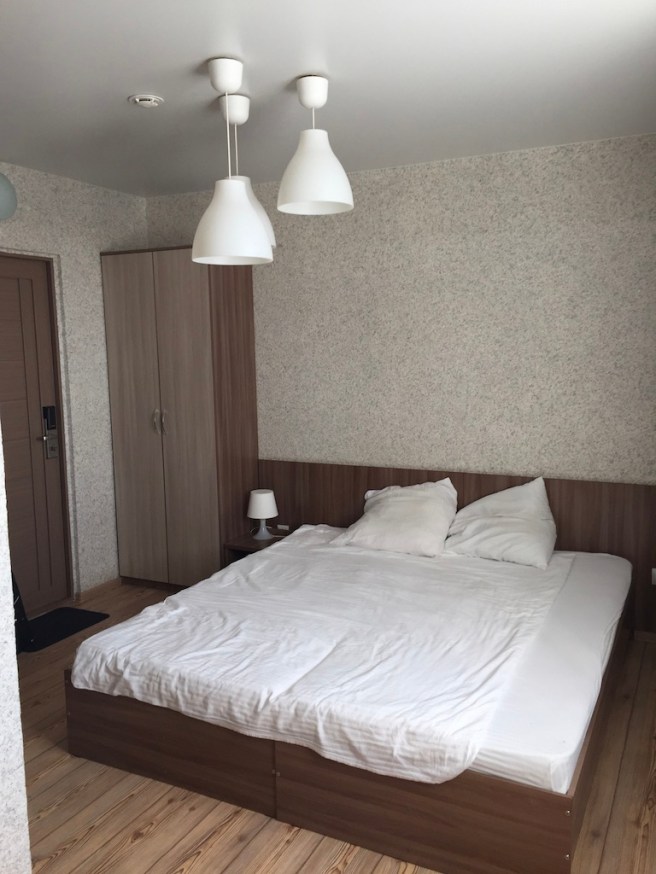
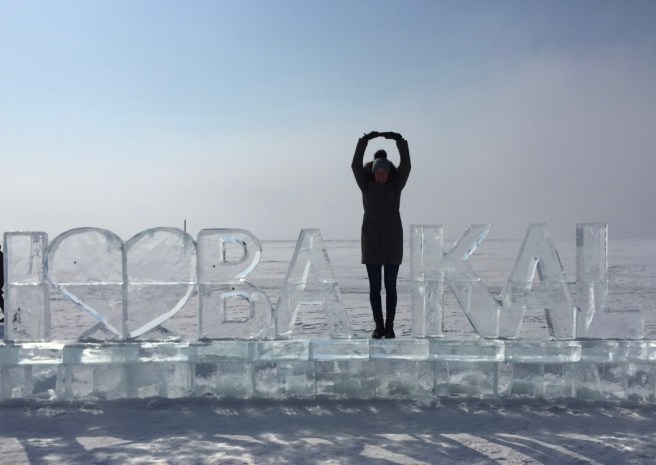

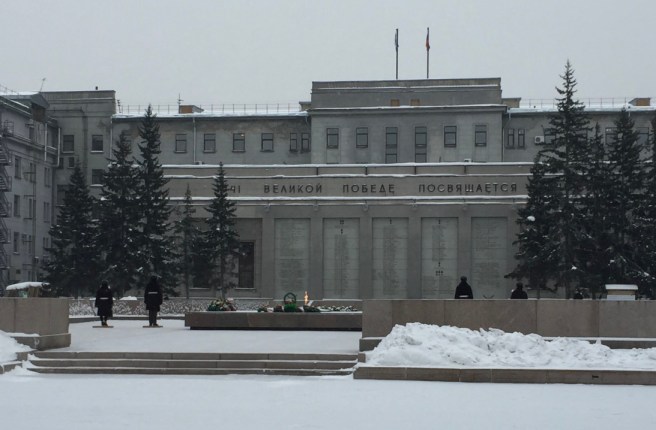 Even the Stalinist buildings aren’t bad. Unknown Warrior duty is no fun at -25°C.
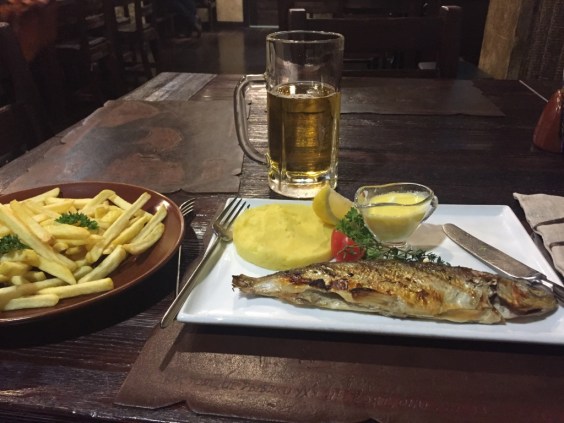
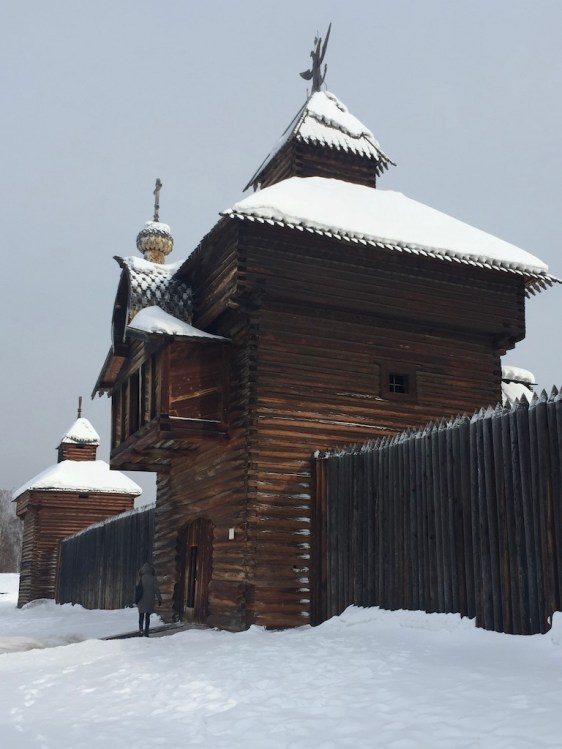


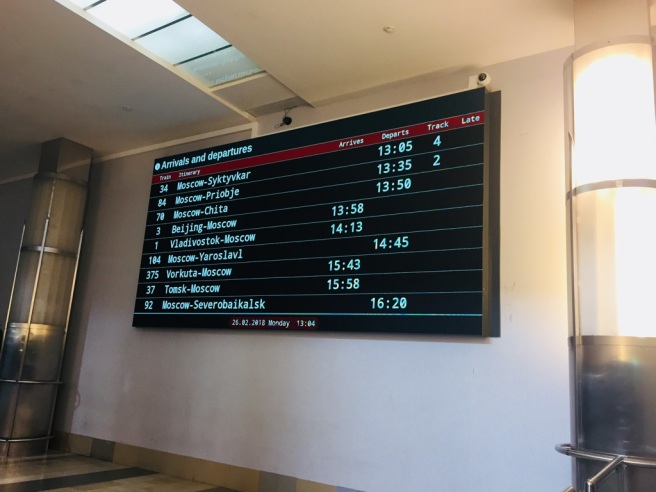
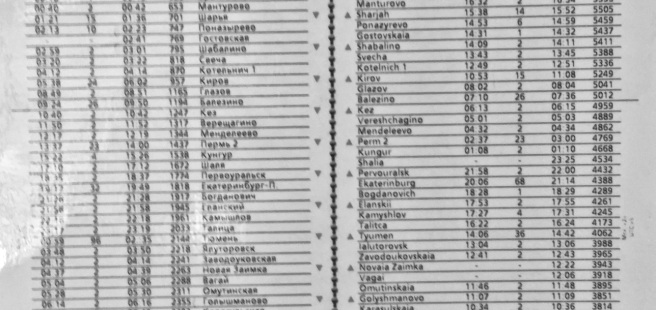
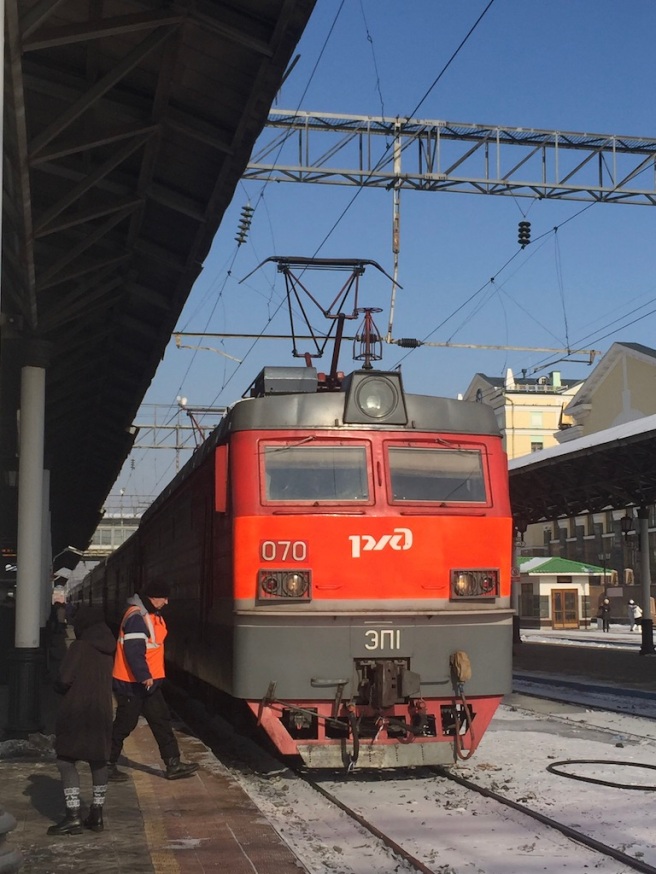
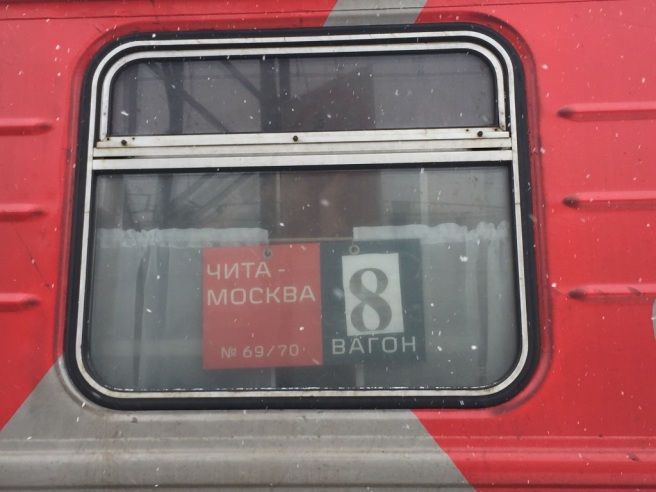
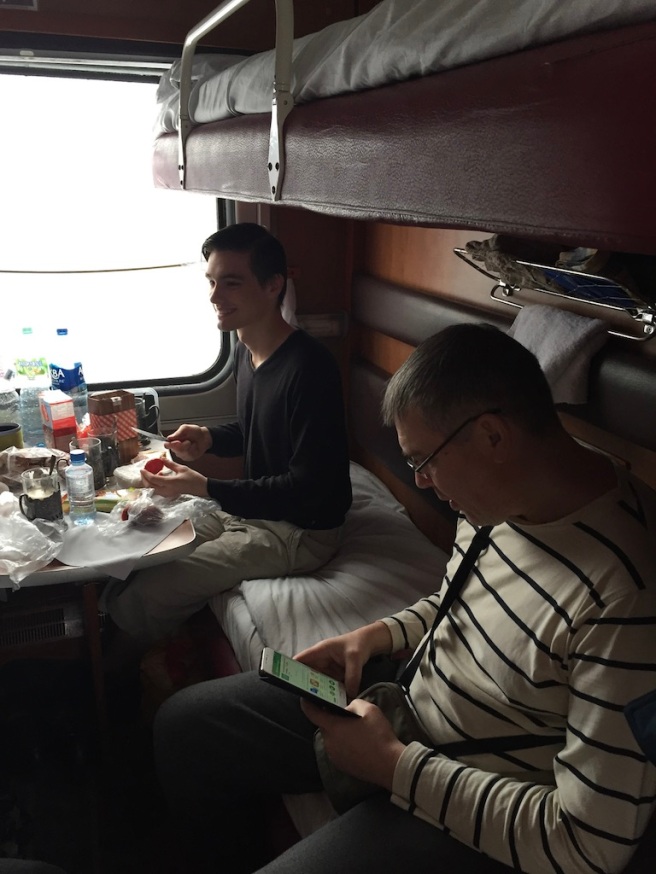
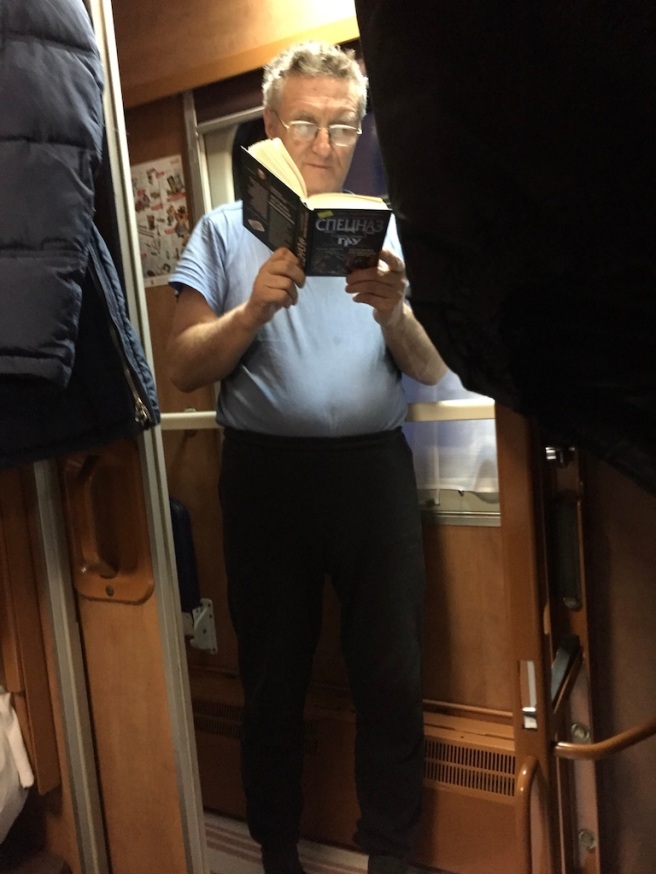

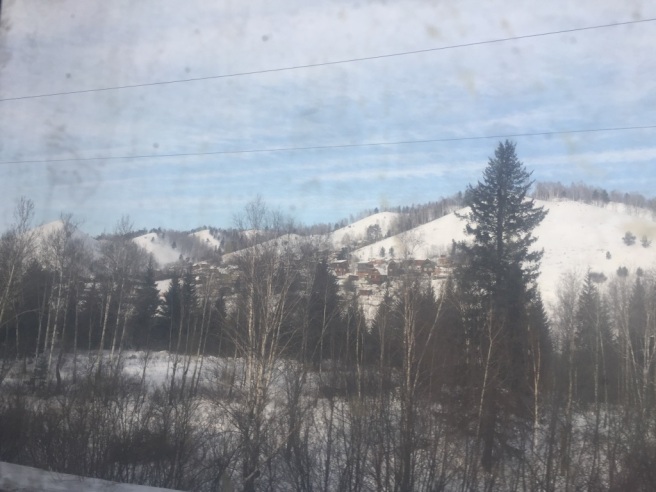
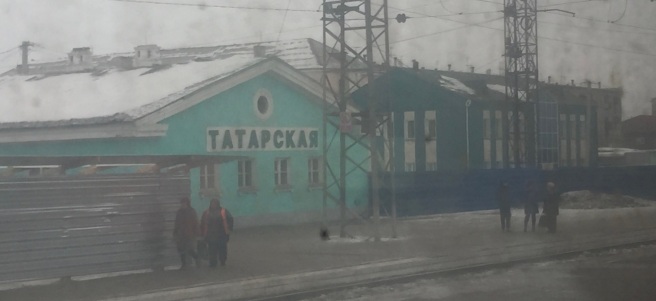
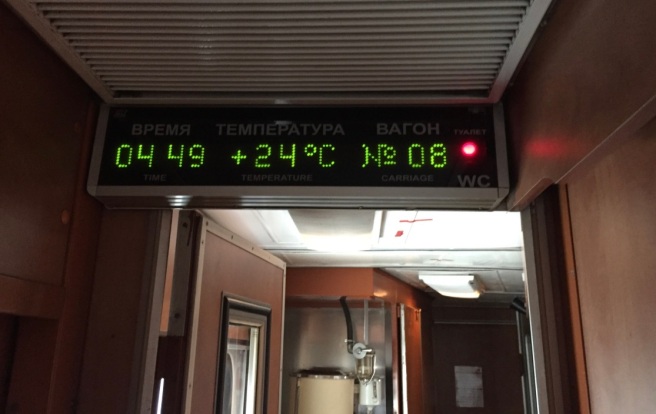
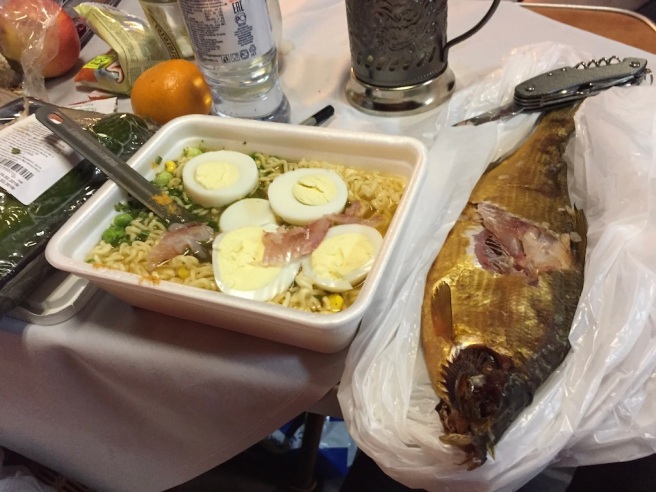
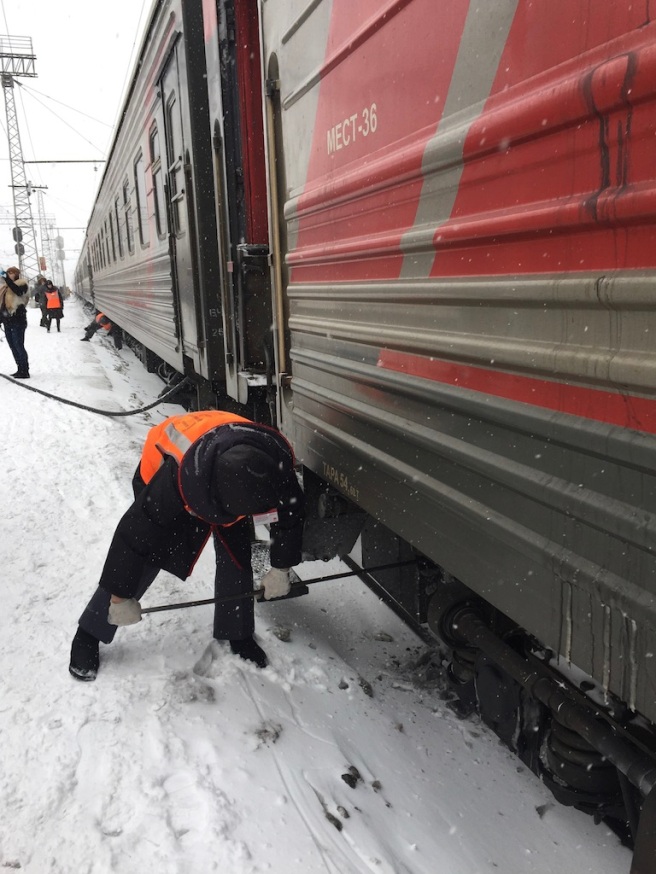
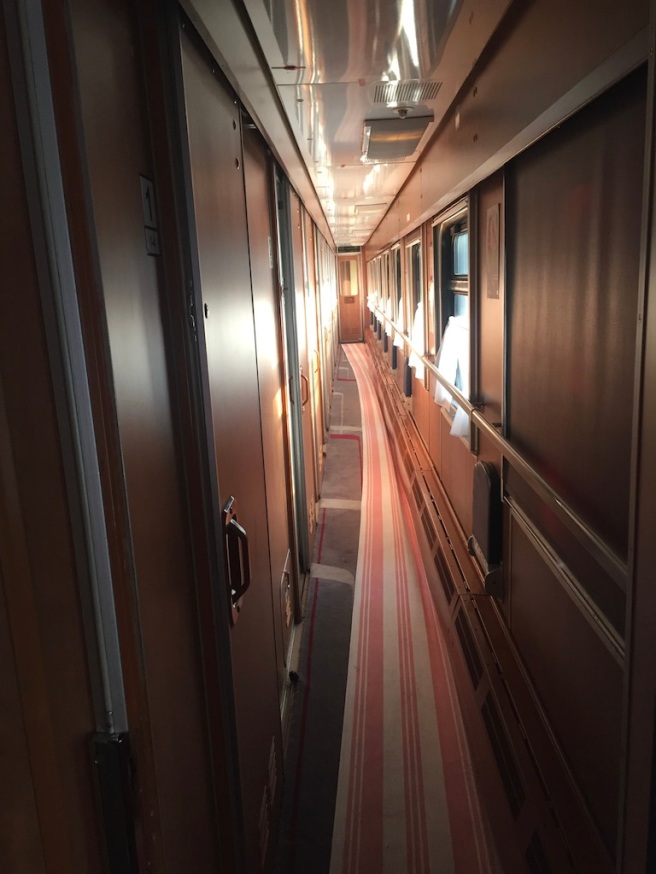
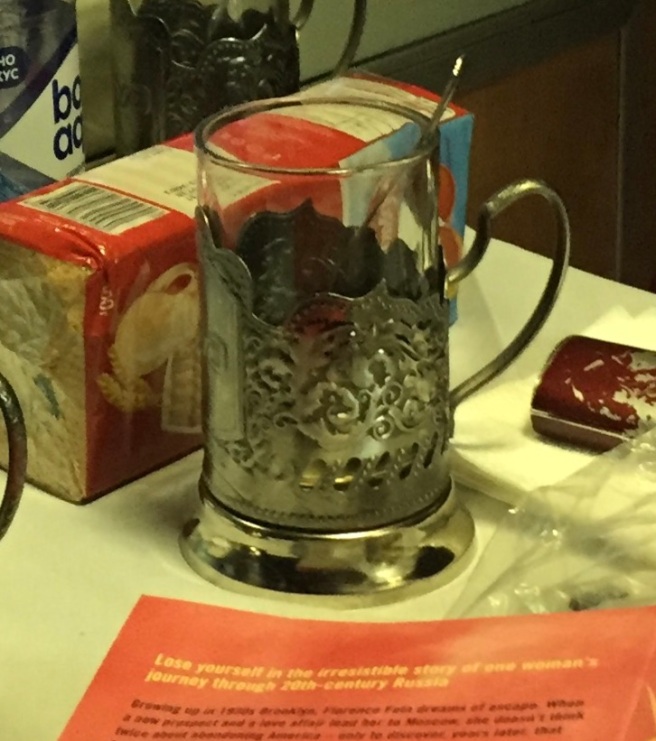
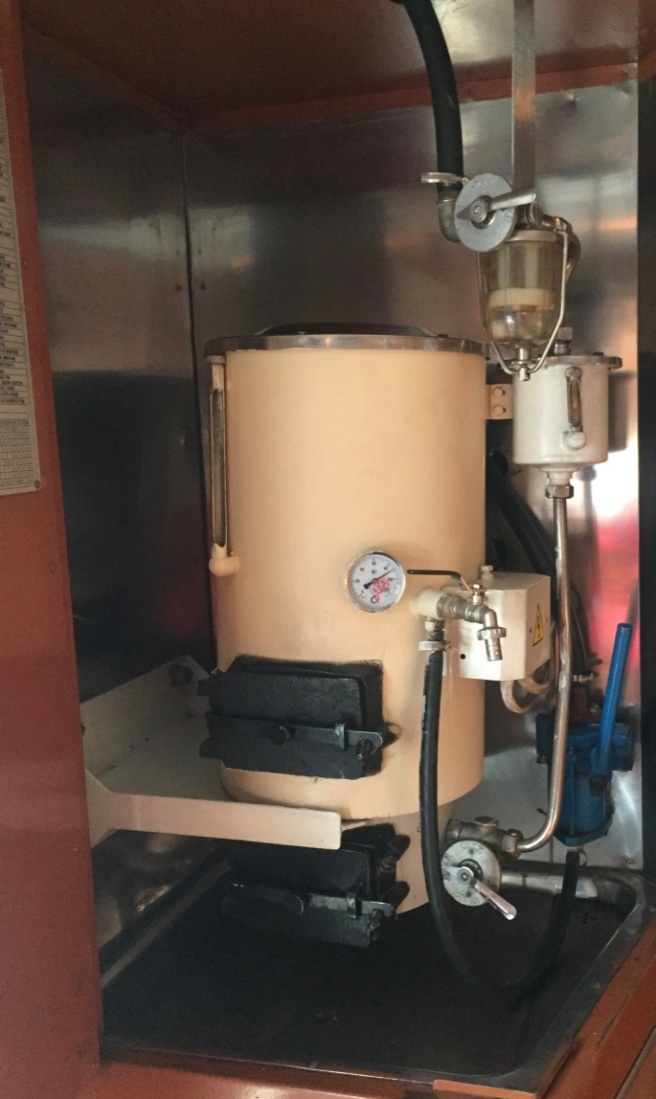

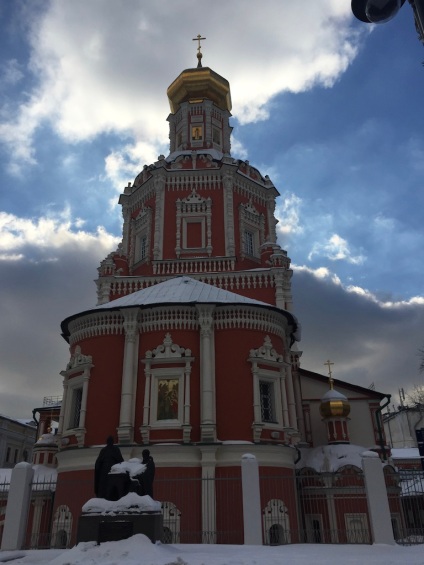
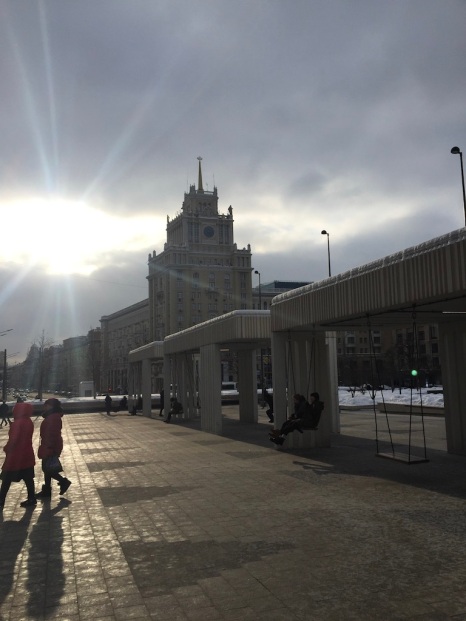


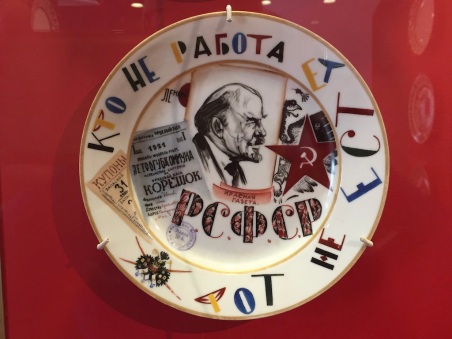

 Kievskaya


 Apparently City Hall was moved 30 meters in 30 seconds (or was it 300 meters). In any case more haste less speed made a big crack in the top floor (since papered over).
 The borscht nevertheless was delicious.
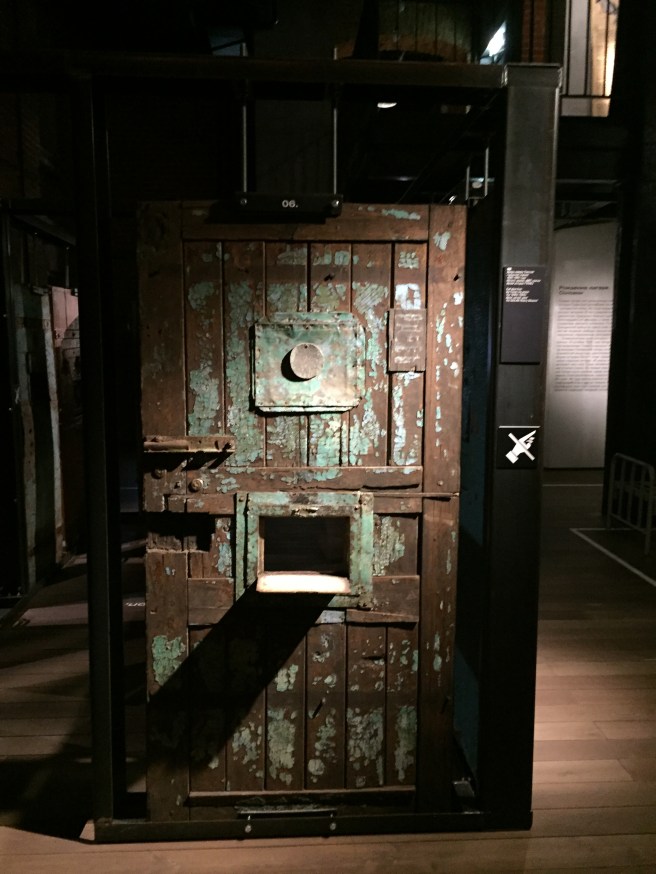 However I had the gulag museum to myself.

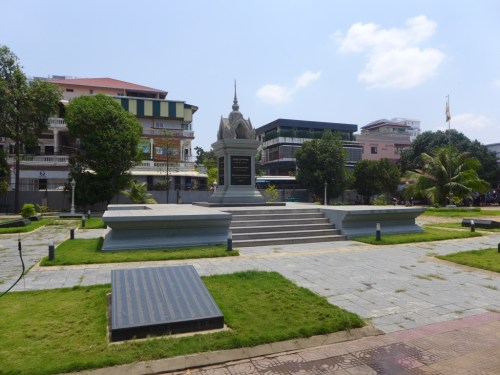
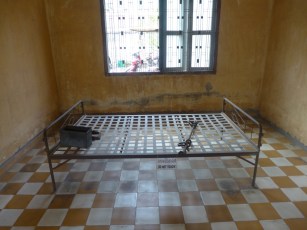 Fortunately, tuk tuks outnumber pedestrians by about 20:1 and one has already committed himself to preventing me from going anywhere on foot. Our first stop is PS21, the high school the Khmer Rouge appropriated as a torture facility. The audio guide narrator invites me to find a seat in the shade. “I am one of only 7 survivors of this prison” he tells me. Then I learn that after the US dropped more bombs on Cambodia than they did in the whole second world war, Phnom Penh was overwhelmed by refugees. In 1975, the
  Khmer Rouge threw everyone out and Phnom Penh became a ghost town. Many of the quarter of the population they murdered (chiefly ‘elites’ who were usually identified simply on the basis of bad eyesight) passed through PS21 en route to the more than 700 killing fields located throughout Cambodia.
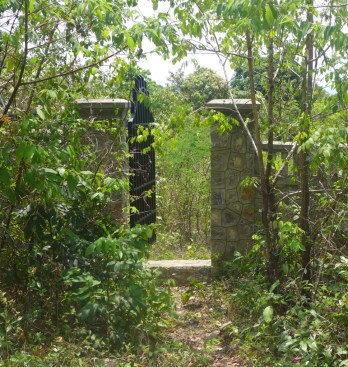 In pre- K. R. French Colonial days, Kep the nearest beach to Phnom Penh, was replete with iconic art deco villas. My quest to photograph them is several years too late. Only the mango trees and bougainvillea remain to drape over the iconic art deco garden walls. ‘Why no rubble?’ I ask my new trusty tuk tuk driver. ‘People from Phnom Penh want sell land for building’ he tells me. I have learned this is a euphemism for the Khmer Rouge who now pull all the economic strings. ‘No-one buying?’ I inquire and he smiles sardonically. In truth, it’s no surprise that restoring Kep to its former glory as the ‘St Tropez of South East Asia’ is overwhelming,
 Beyond the scattering of French-expat run guest houses (like the oddly named Raingsey Bungalows where I’m staying) the poverty is grinding. The cows, which are the bellwether of economic health, are mere sacks of skin and bone with barely any energy to stagger from one rubbish pile to the next; they are clearly not being fed in the dry season. Kep beach is in the South-East Asia ‘B’ league and there’s precisely 2 things to see (we are on the way to one of them: the Kampot pepper plantations).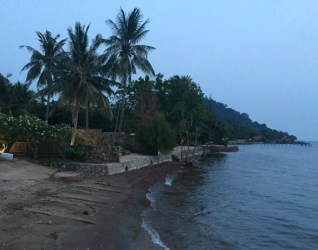
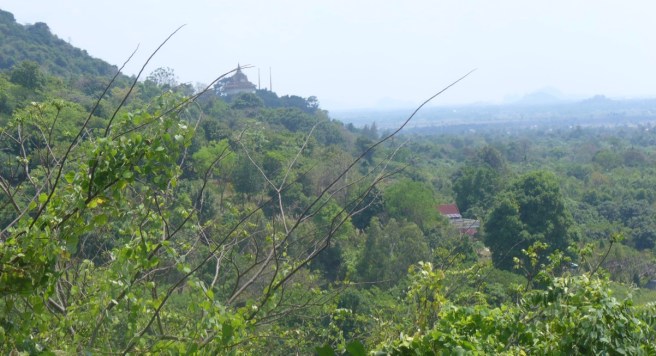
 Next morning it is the turn of the young man who serves breakfast (since there are only 4 guests there is little more for him to do). “We won’t be here next year when you come back” he announces (Its not clear why he refers to himself in the plural, but I let it go). “Why not?” I inquire blandly “Will get new job as general manager of diamond mine” he tells me. I try to arrange my features to downplay any skepticism. “Great!” I say “Better than hotel” (the high season lasts only from November through February and the rainy (low) season with no guests at all for six months). “We just need computer experience” he tells me “So first thing, lap top for practice. We can read and write English. Fluent”. The tuk tuk guy must have tipped him off. A lap top will cost him $300 in dollars, probably more than he earns a month in the off season and he’s already told me he owes money to the bank for something else. Meanwhile, at least two thirds of the cars in Cambodia are huge SUVs that have been imported with 300% tax. Needless to say they have Phnom Penh plates.
 look like nothing more than Iowa with palm trees. It is coming to the end of the dry season and the winter rice has been harvested but thankfully they have not yet begun to burn the fields. The overall sense is of ochre in the air until an unexpected downpour scrubs the dust from the trees and reveals a burst of fluorescent green.
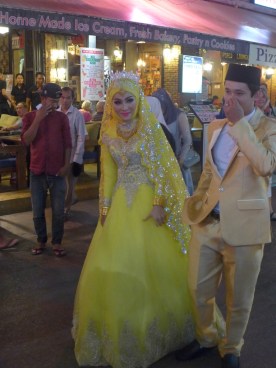 most blistering, and so we run into them only by accident. The backpackers have found nirvana in Pub Street and are taking its mantra ‘encouraging irresponsible drinking since 1998’ extremely seriously. They don’t seem to be here to go sightseeing, so we only meet them at night. The bourgeoisie are installed in discretely well-appointed hostelries like our ‘Pavilion D’Orient’ – a
  tropical oasis with a huge infinity pool and plentiful cocktails – and are focused on avoiding eye contact under any circumstance. There are many, many more Americans, looking spruce in white and determined that every interaction with the hotel staff will be a significant cultural exchange. The Brits are suffering loudly from the heat, while the French would like it to be recognized that they were here first. The Japanese mutter to each other inscrutably and remarkably the German/Dutch axis manages to fade into the woodwork.
 In any case, the full seventy-seven wonder-of-the-world-square-miles of the Angkor Wat archeological park deserves more than our usual lackadaisical approach to sightseeing, so we buckle down and make a plan that will be appropriate for the 3-day entrance ticket (the 7-day ticket must surely come with a PhD). On day one we will reconnoiter of the lay of the land by bike, on day two we will inspect the minor temples and only on day three will we get up close and personal to Angkor Wat itself. (Lest this be interpreted as slow going even for Schwobs, please know that the hotter than hell index is currently approaching a 15 on the Spinal Tap scale, and as we will find out in due course, we can only healthily be outside before 11 and after 4.
 In the event, we are almost thwarted even before we get started: Two sequential delays in our flight connections the night before left us ravenously chowing down on delicious ham baguettes, while willfully ignoring the well-known maxim that the location with the least incentive to ensure its mayonnaise is up to snuff is the departure lounge café at any airport. Fortunately, almost the best thing about AW is the super hygienic toilets within dashing distance of each of the temples, no matter how remotely they are located and so we avert an ugly outcome.
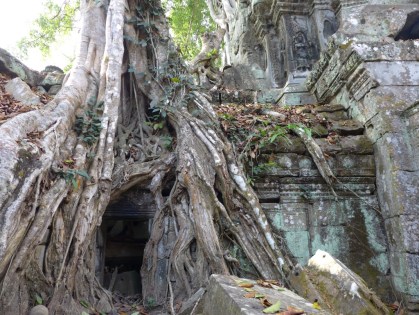 Even so we barely make it round the ‘Grand Circuit’ even with the help of reasonably functional mountain bikes, 4 cans of fizzy sugared beverage and many liters of water. Afterwards we collapse, me in the pool Jim in a darkened room (shades of Italy) and we can barely stagger to happy hour that night. (As an aside our miscalculation of the effects of the weather has not been helped by the forecasts of lowering clouds and rain furnished by all the major news organizations, or by the population who are still dressed in winter clothes (hoodies have substituted for puffer jackets and natty flannel pajamas have surfaced as a style item).
 Day 2, and our helpful hotel has insisted that we need a ‘sunrise over Angkor Wat’ experience even though it necessitates a seriously ungodly start at 4:45am. Mr. Karona our trusty (if sleep deprived) tuk-tuk driver indicates his deep desire for us to have a good time so we are moved to share our concerns that we will be elbow to elbow with a million other tourists whose hotels have had the same idea. Mr. K. takes the matter in hand, heads off in precisely the opposite direction to everyone else and finally deposits us at the
  bottom of what seems to be the only significant hill in the area. He points out the way up and settles down for a nap. We finally reach the ruined temple at the top in the pitch dark, and completely alone (fortunately, Jim didn’t forget his cell phone) and right on cue dawn breaks over the plain and Angkor Wat in the distance. The sun does rises in its own good time but not surprisingly we are not at the correct angle to
  reproduce the iconic ‘sunrise over Angkor Wat’ picture beloved by Google Images, so we refer you to that source. Jim feels he has earned the breakfast picnic the hotel has also thoughtfully provided, but I still need to be prepared for a dash, so I donate mine to Mr. K. (by now much refreshed) and he eats it happily as we set off to explore the fantastic Temple of Ta Prom, of Lara Croft fame.
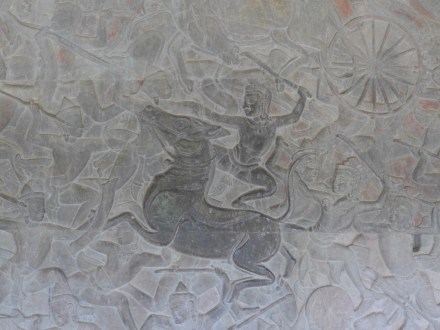 famous battles between deities as well as the among the ancient Khmer and their foes. Within about 5 minutes and despite having more than one erudite guide book we can’t remember the difference between the bird deity and the goose deity, who has 4 arms, 8 arms or 20 arms and whether the monkeys are good or bad. Still it is all fantastically executed and we find that if we discretely glom onto various tour guides we eventually get it straight.
  It takes so long that when we finally emerge into the unwelcome sunshine the Chinese have appeared and are energetically photographing each other in every available nook and cranny. Fortunately, it is a religious holiday so we do not have to fight them to climb up the central towers which are blocked by marching grannies with bouquets of lotus blossoms (remember them?). Instead we clamber to the top of a side tower seriously lacking in selfie opportunities, so when we get to the top we have it to ourselves.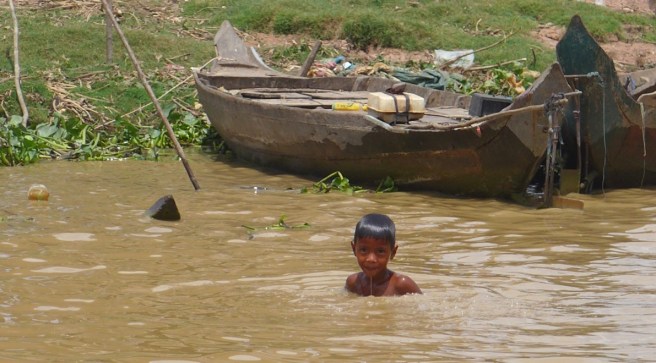
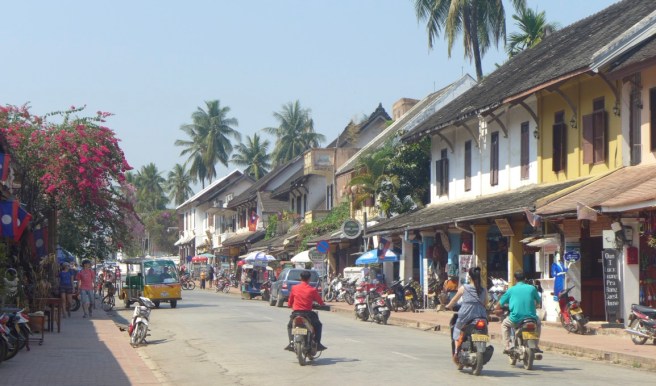 Let’s also hear it for the Lao who, when the French were ‘encouraged’ to leave in the 1950s didn’t immediately sashay into town with dire paint and garish fairy lights, but evidently tiptoed away, quietly locking the doors, allowing the dust to settle on the gramophone in the bar, the bougainvillea to drape itself with increasing exuberance everywhere and the bromeliads to colonize every possible vertical surface.
 Let’s finally hear it for our regional fairy godmother UNESCO, who came bustling into town forcing the dust to be dusted, the drains to be fixed, the internet to be available and the gramophones to be wound up so we can all enjoy the party. Here we are then, at the wonderful Maison Dalabua, where the rooms are fetchingly distributed among UNESCO-monitored lily ponds, chock a block with all the tropical horticulture a heart could desire (plus orchids), a gourmet restaurant within spitting distance and a swimming pool right off our terrace, and all for $40 a night.
 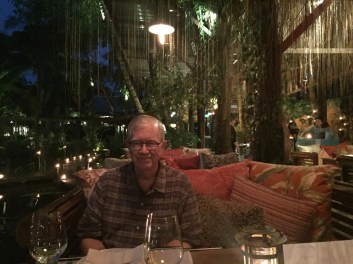 For unlike the Vietnamese who confront the same opportunity by charging $2 for dinner, but then need to feed 100 to make ends meet, the canny Lao charge $20 and thus only need to feed 10, plus the rancid backpackers are frozen out (they are bitter and try to retaliate by spreading the canard that Luang Prabang has become a theme park; to which we say Pshaw! there’s a reason we vacation in the Marais and not the Banlieu). So not only does everyone smell better and are better fed, but we are all happy and the Lao can slope off early to finish converting their bamboo huts into French colonial facsimiles, which is what everyone was doing during our bike ride around the countryside yesterday.
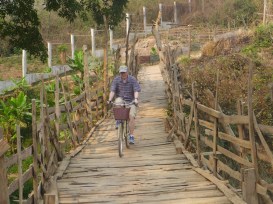 Yesterday has made it clear that venturing much further afield will not be feasible by road (only one road is paved and the rest are so pitted and stony it took us 2 hours to cycle 5 kilometers on our horrible hotel bikes), so we have engaged the cheery Mr. Phet. Mr. Phet does not require a French colonial bungalow because together with his wife and son, he lives on the boat we have hired for the day. Fortunately for us
 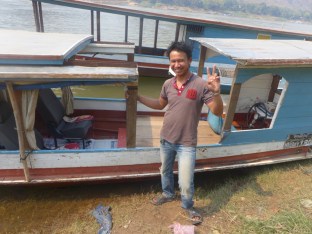 they are both away (she to teach high school, Phet Jr. to advance his primary education) and so he and his home are at our disposal. Our goal is the Buddha caves a convenient 2-hour trip up the Mekong (only 1 hour on return since we don’t have to fight the current). En route Mr. Phet not only introduces us to some of the le vrai Lao in the riverside villages but also delivers a sardonic primer on Laotian politics over his right shoulder (we inadvertently opened the floodgates by inquiring who could afford to build the staggeringly vast riverside palaises on the Luang Prabang outskirts). Not only are we treated to a discourse on the entire spectrum of government graft, but we learn that the omnipresent ticket collectors enjoy patronage positions uncannily like those on the Mass. Pike. Plus ça change.
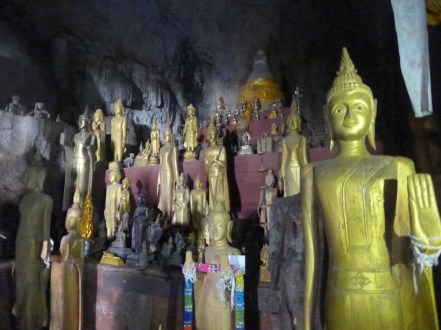 Mr. Phet also tells us that he was a Buddhist monk for 4 years, and finally I get the chance to put my observations of monks in all 4 SE Asian countries into context: I have identified 2 distinct flavors – the professionals look stern, even austere. Unless they are shopping for ‘Buddhist monk gift sets’ (to be found in all the major Thai malls and providing all sorts of laundry and personal hygiene products done out in a fetching shade of saffron) they never laugh. Professional Buddhist monks often seem to be praying (In Burma they are always praying, but there again so is everyone else, particularly the flag-men on the railway, which was especially disconcerting at the viaduct and going down the mountain). In contrast, the 2nd flavor – teenage/milenials – are most likely to be checking
  Facebook on their cell phones; the thought of prayer has clearly never entered their minds. Mr. Phet tells us that parents who either can’t afford to pay for education or prefer to invest their resources elsewhere can rid themselves of their obnoxious teenage dude offspring for a few years by putting them in the monastery (opportunities for mean girl daughters also exist but they are less abundant). It occurs to me that we might be in a different place now if Mrs. Trump (mère) had had the opportunity to shave her son’s head dress him up in a silly orange sheet and have him get up at 4 o’clock in the morning to go and beg for his food in his bare feet. As SE Asia seems to prove, four years of that every day is entirely sufficient to rout out any dude-like tendencies in any male, alpha or otherwise.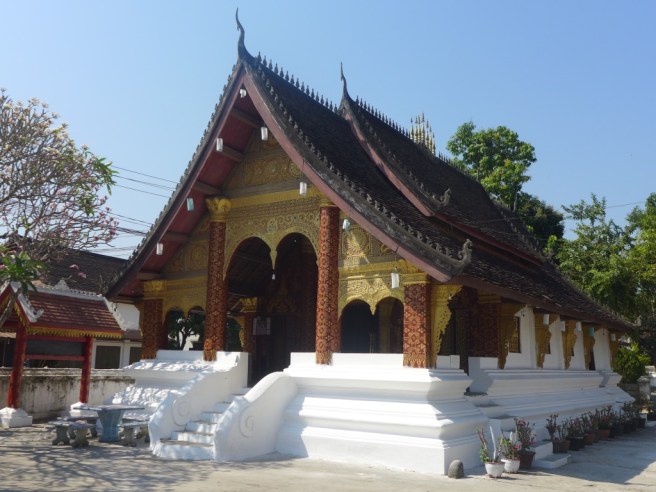
 karinameiri