Some changes in big city China since 2019. Most evident: the sloganeering meltdown. The let’s not spit or smoke posters are long gone (since people don’t anymore [more or less]) but the next gen bilingual PSAs being beta tested on the Metro (epicenter of social engineering) are lame. They lack logic (only asking us to wear masks on long journeys), focus (OK Xinjiang is nice, but what’s the action item?) or both (merely getting on board is an achievement in itself during most waking hours so who would even consider bringing [or using] their own stools [or chairs]?)
Pinched from a museum but possibly the mission statement of the PSA Department. Needs work.
Most unexpected and also most terrifying: Since most cars and all buses, mopeds, and bikes are now electric no one needs to shout or crank up the volume on Tik Tok videos. The quiet is blissful but the volume of traffic has not decreased, requiring constant vigilance, especially round corners. Most welcome millions of the Beijing bourgeoisie and the thousands of restaurants that feed them have come to realize it is possible to enjoy Kale Caesar Salad and complicated cocktails without rounding up 10 friends first, vastly expanding my possibilities for solo dining beyond dubious street food. I am hoping this message has also penetrated the hinterland where both bourgeoisie and kale will be less evident. Also unexpected: Despite logging almost 100,000 steps round some of the most iconic sites I have yet to see another Western Tourist or even expat come to that. The hordes of junior-year-abroaders from anywhere in the West have simply evaporated.
I am even able to order Peking Duck for one. The waitresses circle, itching to save me from myself, but I tell them firmly that this is how we do it in England (to say the USA seems like a bridge too far).
The Forbidden City actually is
I suppose I’m lucky that out of a city of 22 million only 20,000 or so have also decided there is nowhere better on a sunny and warm(ish) Saturday than the Forbidden City. Fortunately, when we all emerge together from the Tiananmen Square Metro at least the same number of security personnel are already on site, ready to photograph us one by one (in the pleasant weather equanimity rules on both sides). Still the only Westerner, I am hauled out of the scrum, my passport regarded with horror, and frantically waved through.
The medium is the message and the scrum gives us the time we need to decode it
Hold the smugness though, I don’t have a tangible ticket and finding an official who won’t recoil from my passport, acknowledge a Forbidden City even exists or point me to where it should be scanned for admission is impossible. Some 20,000 steps later, I find a NYL with time on her hands who kindly explains that this vast complex hiding in plain sight is actually called ‘The Palace’ in Chinese, while the entrance gate (completely obscured by the scrum) has several names, none of which appear in the Lonely Planet (LP) or online. I muscle my way to the front of the line and I’m in.
It doesn’t take but a minute to realize the combination of my meager imagination and a mere iphone is never going to be able to capture the scale of this behemoth. (Later I even climb up what passes for a hill for what LP assures me is a better perspective. It isn’t).
A few snaps later and it clearly isn’t happening. Meanwhile 20,000 of us fade into insignificance
Even close ups don’t work
A rare exception from the clock collection
It is so nice and warm within the high walls that one by one we decide that supplementing our knowledge of Chinese history can wait for another day, and with the exception of the men who are still taking their ineffectual photos and reading off every single caption, we all settle down to what we do best. Moms wrangle the grandfolks, kids and cousins into corners and ply them with snacks (snacks are taken very seriously in Beijing).
Spun sugar snacks with more artistic vision than many objets I will pay more good money to see
Gen Zers on dates who might as well be anywhere cozy up to their endless TikTok videos and everyone with the exception of lone boomers leans hard into glorious cosplay; the ancient costume of your dreams being conveniently available from many enterprises just outside the walls. A sunny afternoon in March and where better to replay our aristocratic fantasies than the epicenter of all the Chinese Empires.
Saturday afternoon aristocrats
Clearly this wasn’t her idea
Even the dads want in on the action
Quarterly meeting of the Saturday Afternoon Aristocrats Society
Yes cosplay and Tik Tok can work together
Not shown, disconsolate other brother, not being similarly feted
Later in a fit of hubris I buy a concert ticket, but the combination of 30,000 steps and persistent jet lag takes its toll and I sleep soundly through both a tense Schonberg and the intermission, awaking only in some confusion to what sounds like Mahler’s 4th although there are only 16 instruments on stage. Lost in Translation redux.
Am I hallucinating? In addition to the piano the orchestra for Mahler’s 4th seems to include a harpsichord. I am woken by the appearance of a loud soprano in the last movement. The young man obscuring the scene is holding a placard that tells us when not to clap.
Faced with existential questions like ‘How many more big trips do I have in me?’ and increasingly forced to accept I am indeed now 71 (it has taken me 5 minutes to come up with ‘increasingly forced’ – quite definitively not the words I think I had in mind) it has seemed wise devote some real time to actually planning this trip, especially because the answer to the second existential question: ‘How many train journeys can I cram into a month?’ is ‘A lot if it’s an enormous country with a staggering rail network’.
On the road again. Jim will join me at the end of the trip for 2 weeks R & R in Vietnam. Meanwhile he is happy to drop me off at Logan airport.
I am immediately confronted with two unfortunate realities: First, train tickets only appear online two weeks before the departure date, at a time that is definitively not congruent with a good night’s sleep in the US. Second, at precisely the same time, approximately a million Chinese who are awake and surfing the web, will simultaneously decide that the very same journey, no matter how obscure, sounds like just the job. Fortunately, Vivi has come to the rescue; for a mere $5 a transaction she will wield her invincible algorithm on my behalf, beat back the ravenous hordes and score me whatever ticket my heart desires. In terms of mental health, and certainly sleep, it is as they say priceless, but less of a financial bargain than it seems since many of the tickets are no more than $10. But Vivi is worth her weight in gold in so many other ways; she also wields a devastating translate app that does not hesitate to interject whenever one of my online orders is plunging me into certain disaster.
“Hello dear, we spent last week conveying you south, why are you inexplicably turning north”.
“Sorry once again Vivi, I inserted an inauspicious Y into that station name”.
“Inauspicious lol (rolls eyes)”.
Also, thanks to Vivi I am now aware that China Railways has certain unexpected and alarming features, in particular stations so small that while Vivi assures me it will be theoretically feasible to hop on or off in the 5 seconds the train stops there, my tickets are to or from somewhere completely different (larger and up or down the line). I can be reasonably sure no-one will have found it useful to transliterate the names of these miniscule stations into the English alphabet and even more sure that any fellow passengers on these trains will not be wielding helpful translation apps. (Disappointingly despite three weeks diligent study with Duolingo I am still only able to convey [forcefully] that I don’t like cold porridge and inquire whether you are an Italian teacher. Remarkably I do remember critically important words like ‘beer’ and ‘noodles’ from last time, presumably because they are solidly lodged in my long-term memory). Reading Chinese will never be on the cards
Nonetheless, I am now in Beijing with an army of VPNs to fortify me against the Great Firewall, an ESIM that is pretending I’m in Indonesia and with electronic documentation for a satisfyingly complex journey more or less from north to south, so I can check out all those obscure tributaries of the ancient Silk Road that have been nagging at me since 2019.
Some of old Beijing persists in ancient Hutongs, with tiny houses circling a common courtyard. My hotel is in one of them.
After what feels like 3 days on a plane (I have in fact eaten three breakfasts) a beer at the local bar seems like a good idea. They are unfailingly polite of course but seem relieved I don’t plan on staying for tonight’s live performance.
The Nice Young Lady (NYL) at the hotel disapproves of me spending my pension in bars and sends me off to the grocery store to buy beer for my room, where I do find an authentic reminder of home.
Winter 2022: It seems increasingly unlikely my painfully acquired 430-word Russian vocabulary will ever generate meaningful sentences. Surely a 5-week intensive course in St Petersburg would help? It will have the added advantage of being located in one place, thereby circumventing any lingering Covid concerns (I choose to ignore that Russia is in the middle of its Omicron surge). Before I know it, my bags are packed.
Jim is not with me for our traditional Heathrow selfie, so I must improvise in the inexpert manner of boomers everywhere.
Conveniently the most direct route from Boston to St Petersburg goes through Berlin, where Shyamala and I happily continue our emerging tradition of relaxing weekends in European capitals.
Not too surprisingly Boston, New York and North Carolina have been implacably against this whole idea. Berlin, on the other hand strikes a more optimistic note “I mean what can happen? You’re an old lady at a language school. In any case it’ll all be over by next weekend”.
Shyamala toasting my Russian vocabulary mission. But she is a scientist, not a geopolitician
Last week in St Petersburg
Part the first, arrival.
With impeccable timing – its 10:00 am at the departure gate in Berlin – the UK chimes in: “Germany closed its airspace at 8:30”. Yet before we know it Aeroflot 6642 to St Petersburg is on its way, via Sweden and Finland the pilot tells us smugly. At the almost empty airport my passport is completely ignored (the discrepancy between my 8-year-old photo and current visa picture normally elicits considerable alarm). My driver slaps my back, calls me a hero, and devises an impromptu tour of the many monuments to the Leningrad blockade, just so I’ll know what that really entails.
Unlike nearby Baltic cities that blossom in the winter sunshine, the St Petersburg exurbs suck all the life out of the blue sky, as only polluted Stalin-era monoliths can. We barrel down Nevsky Prospect for a good 30 minutes as it segues from Stalin to the Tsar, and the buildings, at last, start to square their shoulders to the sun. Disappointingly, since I have hauled over two pairs of snow boots, there is none to be seen.
Not my picture and not St. Petersburg, but it could easily be.
Back in Soviet days my homestay apartment, whose Lenin plaque somewhat confusingly indicates where Stalin might have met his first wife, would have housed three families. Now it’s just Anna, Vladimir and a revolving door of language students, currently young Théo, in his dreams a prospective French ambassador to Moscow, and now me. The family who vacated my cavernous room have left all their furniture, including ecclesiastical caliber wardrobes (still stuffed full of Soviet era detritus) but not, unfortunately, a bed, so I must make do with a pull-out. The mattress is horsehair which turns out to be not so bad, but so are the pillows and maybe even the duvet. In the way of all Russian interiors, it’s so stifling hot that the windows must be open no matter how frigid it is outside. More worryingly we will all share the (tiny) bathroom and Vladimir and I will turn out to share the same nocturnal schedule.
The front door of Chez Simonova. The provenance of the Lenin plaque is extremely difficult to fathom.
Anna, instantly voluble and vivacious, immediately hauls my desperately jet-lagged self on a frantic tour of the neighborhood, from the monument to Lenin’s secret train at one end, to the bridge over the Neva on the other. Everyone fears losing access to money (I have anticipated this and brought dollars, a sensible contingency which is roundly ignored) and am instructed to withdraw rubles from the Sberbank ATM and parlay them into Metro and SIM cards (I have also brought a burner phone) as well as milk to have with my tea. Anna’s English heritage, a green-thumbed ancestor who joined the service of the tsar sometime in the 1700s, means she has correctly anticipated I have brought tea bags but will guard them jealously.
One end of our neighborhood Lenin enters St Petersburg on his secret train, outside of Finlandsky station (thank you Google images).
At the other the Aurora that fired the first shot in the Bolshevik revolution.
The sun is beginning to set. On the other side of the river the golden domes of the Church of the Saviour on Spilled Blood, and a thousand other buildings, are catching fire; St Petersburg is finally strutting its stuff. We are standing by the Aurora, from where the first shots of the Bolshevik revolution were fired. ‘This is my city!’ declaims Anna gesturing frantically over the seriously fragmenting ice. It is all very affecting.
The Hermitage from my side of the Neva (Thx Google again)
The Church of the Saviour on Spilled Blood.
The sheer Soviet perfection continues through dinner. It seems Anna has not yet managed to convert her professed love of cooking into execution, and though I don’t yet know it, the next week’s meals will consist of some combination of pelmeni (a chewier tortellini puzzlingly served with mayonnaise), chicken cutlets, ditto either fresh or reheated, a tepid soup only apparent from its texture to be cabbage, and mashed potatoes. Green vegetables and fruit have disappeared off the face of the earth. Today all is rounded out by Vladimir’s homemade vodka which he has also steeped in oak leaves. Its vile taste must be reflected in my face, so it is returned post haste to their room where Vladimir, presumably, will continue to nurse it fondly.
I am well aware that Russians talk politics interminably, but at 18 Sampsonovskaya Blvd, the days of kitchen table samizdat are clearly over. When Théo arrives agitated with reports that access to the Metro is closed by anti-war protests – he has gone out without his passport (a serious no-no, no wonder he is so frantic) – Anna tells us firmly that these are paid protesters. I have not yet learned my lesson and offer that I too have seen a paid audience at a military parade in Moscow. Sensing an incipient counter-revolution she tells us firmly and then several times more with increasing agitation, that while she does not know why all this is happening, if Putin has deemed it necessary, it must be, and therefore it must also be supported. Vladimir, who does not speak English and who is at the mercy of Anna’s willingness to translate, which is sporadic at best, is a cipher. Théo, who can sometimes insert himself into a gap in the diatribe to share a few words with him in Russian, later tells me Vladimir is a Stalin supporter.
Theo is determined to be the French Ambassador to St Petersburg.
To cut a long story short (one advantage of not writing in real time) we are also going to learn in excruciating detail how the Ukrainians are our brothers (Sunday) but are governed by Nazis (Monday) and so must be rescued in their own best interests (Tuesday) or taught a lesson also in their own interests (Wednesday). On Monday we also say goodbye to CNN on the kitchen TV and the State channel takes its place. Théo, the diplomat in training, is beside himself, afraid they have been radicalized. I, with the cynicism of age, merely assume the emergence of true colors.
My one concern in signing on to a homestay was that the perfect retro Soviet experience would be enacted by batshit crazy actors. Clearly, it’s going to be a long 5 weeks.
Anna caught in a rare moment of silence
Victor can only express his opinions on the rare occasions when our vocabulary coincides with his.
Part the second, school.
Liden and Dentz is highly regarded, and I have been assured I will not be the oldest student – ‘No, no, plenty of people in their 80s come to learn from us’. While that might be true in aggregate, it is clearly not at this particular moment in time. The current class, mostly Russian majors from various international universities who are here to perfect their grammar (not so much their accents) while immersing themselves in homestay Russian culture, are supplemented by a 40-something Englishman with thyroid issues and what seems like an unhealthy dependence on his parents, a rather elderly Belgian whose plan to recreate Napoleon’s march from Russia to France has been hampered by a horrific accident that has reputedly cost him 1/3 of his brain, including the parts most useful in language acquisition (I inspect his skull closely and find no evidence that it has been breached and so am somewhat skeptical of this story, despite hearing it multiple times). And now me.
They all, most significantly the administration, seem confused I am here. Clearly the dialog:
“Are you coming?”
“Is it safe?”
“Yes, there is nothing to worry about here”
“Well please let me know if anything changes”
has lost something in translation.
Liden and Dentz. Fourth floor, no elevator. Those 80 year olds must be really committed.
There are only 2 of us in my class and the other, Alicia, is on zoom from Zurich, deeply resentful at getting up too early only to be unable to read the blackboard, so I essentially have Daria’s full attention. I warm to her immediately until she starts to teach, when I too start to wonder about what unwitting accident has also cost me critical areas of my brain.
Lessons continue for 4 hours with a single 15-minute break. We have already dispensed with all the material it took me 2 years to teach myself and my 430-word vocabulary needs to double tout de suite. The lure of a nice nap is becoming irresistible, but It is not to be. We are herded into an all-school meeting to evaluate ‘the situation’. The Director is quite explicit: “We Russians are deeply ashamed about this senseless and unprovoked attack on Ukraine” she tells us firmly. Students will be supported in whatever decisions they make, transfer to other campuses, notably the one in Riga, is encouraged. The teaching staff look miserable; presumably they aren’t invited to Riga too. I notice the senior administrator has slipped out of the room.
The three young English undergrads and I repair across the street to the Chinese Bao café for a debrief. The deeply satisfying three course lunch costs 420 R (currently $6) and while it too has never seen a vegetable, at least it eschews cabbage and potatoes. In short order the European Universities have started to order their students home. Flights via Istanbul and Dubai are in high demand. Fortunately, last night, unable to sleep in-between cabbage-induced trips to the loo, I impulsively bought a bus ticket to Helsinki for $25 on Friday. From there I can get a frequent flyer ticket to Berlin for $2, so I think I book that too. (Later this turns out to have been a jet-lag induced hallucination and I end up having to go business class for $10). The young ladies seem amazed it is possible to travel internationally without leaving the ground and rapidly book their own bus tickets thereby saving themselves thousands of dollars. Tomorrow the US embassy too will send a get out of dodge email (rider-don’t expect any help from us).
Part the third, boots on the ground.
Thanks to the wonders of Russian public transport (one Metro pulls in as soon as another pulls out) I can get from home to school door to door within half an hour. This is critical since the daily diatribe begins on the dot at 9am, coincident with breakfast and I am never able to evade it. On the way into town, the popular mood, while still decorous, is showing some evident strain: Everyone on the Metro is masked it is hard to distinguish the anti-Putin eye roll from the pro-Putin equivalent, or which side the ‘No worries, we still have kasha, salt and matches’ sentiment that is being revived, albeit a bit tentatively, belongs to. On Monday, lines for the Sberbank ATM are round the block; Tuesday they are at the banks; Wednesday the ATM is all locked up and bank customers must bang on the door to ask to get inside (permission is not always granted). From Tuesday on Bao café lunch is cash only. By Wednesday its value has dropped to $3 and is correct change only with half as many noodles. Fortunately the way home is beneath where protests occur.
Our Lenin Station Metro stop had the longest elevator in the world until some other arriviste built theirs three centimeters longer, Anna tells me furiously.
I discover that having only snow boots to wear raises uncomfortable issues of arch support, and institute a mission for insoles. The pharmacy on the way home lies within the Military Medical School with its huge attendant hospital (Doctors need to be taught differently for war than peace Anna tells us darkly) and miracle! not only contains a whole room specifically devoted to insoles but the staff of 10 is right now undergoing a training on insole diagnostics. The sole English speaker seizes me in ecstasy (staff to customer ratio currently 10:1), 4 separate people remove my boots and socks and the insole expert proceeds to imprint my imperfect feet, efficiently diagnose their multiple deficiencies and recommend an insole solution (I regretfully turn down the opportunity to have some custom made). We are all even more ecstatic when by some cyber-miracle my card goes through since not one person has a ruble in their purse for change. ‘I am sorry they are so terribly expensive’ the English speaker commiserates. In fact, they cost me only $10. ‘Well, for us they’re expensive’ she clarifies with a grimace. Correct. At the beginning of the week, they would have been $30, roughly the same price as home.
It is past time to seize the opportunity to do some sightseeing. Since the QR code necessary to breach the Hermitage is obtainable only with a Sputnik vaccine and clearly not worth the trouble now, I must settle for the less famous ethnographic museum. In fact, it is perfect. Glorious dioramas of all the myriad ethnic groups the Soviets documented within their borders. Within the Ukraine section, the breakdown of the earnest conversations about whether Ukraine is part of the Russian world, seems to be about 5:1 in favor, not coincidentally matching the ratio of docents to visitors. I meet my Armageddon in the unpopular Chechen room. No sooner do I have both feet inside than the docent seizes my arm. ‘Sit down!’ she demands. My protests fall on deaf ears. ’10 minutes!’ she shouts plugging in a boring slide show of blurry photos from the 1930s. After 9 I try to sidle away. No such luck: ‘Give me your phone!’ she demands. Someone shaken I hand it over, whereupon she proceeds to photograph all the critical exhibits less discerning folk would simply ignore. That done she arranges herself for a pose and then scrabbles around in her purse for a fridge magnet of St Petersburg with which to send me on my way. The highlight of the week. By Thursday more folks are hauling home potatoes than knock off designer perfume and the mood on the Metro has segued into overt shell shock.
The Chechen exhibit, is critically important as I now come to understand.
Ah the dioramas! What’s not to love?
Dispatches from the provinces.
Word starts rolling in. не войне! Writes Urmat, my Kyrgiz friend from past adventures*, ‘No war!’ clearly not expecting his email will be read in Russia rather than Boston. Besides pledging to protest against the war whenever such protests will materialize (a big move for him) he tells that his hotel is inundated with Russians fleeing what is turning out to be a domestic disaster. The advantages are no visa, an absurdly low cost of living and lingering Soviet nostalgia. But the disadvantages of Bishkek as a refuge are far too numerous to enumerate.
*See wild, wild Kyrgistan
Next, Sergei-from-Yakutsk whose life-long dream is to recreate an actual mammoth to roam the Taiga and thereby mitigate global warming**. It should be said that this may be more attainable for him than most since he does have actual mammoth DNA in his possession. The trick of combining it with a suitable elephant genome is where I apparently come in, since the outfit that will perform the unholy alliance is located in Boston. Sergei has been hatching a plot for me transport his precious samples to Boston even before the political circumstances deteriorated and I have reluctantly agreed, provided of course he can supply the necessary official paperwork (we both know this is highly unlikely, but that bridge will be deferred until later). But now things have come to a head. Shall he fly to St Petersburg with the samples this very day, he inquires plaintively. I have a momentary vision of the Russian/Helsinki border, my suitcase open and trying to find ‘mammoth DNA’ in Google Translate. Sergei accepts the inevitable ‘It is force majeur’ he tells me sadly, and somewhat inaccurately. We both take a minute to mourn a dream denied.
**See ‘How much Taiga is too much Taiga?
Finally, tweets from Nate and Phillipa, who took us to Iran*** all those years ago, have stayed friends and organized our excellent Tunisia tour just-pre-Covid. Kyiv is their adopted hometown and now they are trapped a mere trip 500 meters from where Zelensky films his outdoor selfies. What they are enduring is simply chilling. It is clearly time to leave.
***See Iran!
Finale: Sayonara St Petersburg.
Thursday is my last day of classes. Alicia has been sick and with Daria’s laser-like focus I have learned a ton of Russian. Sadly, getting up at 3am to continue remotely from Boston is unlikely to happen. “F*** all this” Daria tells me in Russian, by way of farewell.
My last dinner. Théo has gone on the overnight bus to Riga and Anna pulls out all the stops with spaghetti, a hot dog and a bottle of Georgian ketchup. Remarkably, I can now understand that Vladimir is actually vehemently anti-Putin, which clearly explains Anna’s efforts to sideline his opinions. But how can he have rehabilitated Stalin so effortlessly? Vladimir claims not to have as much information on Stalin as he would like. He allows that the Great Patriotic War might have been less painful had the best generals not been murdered beforehand, and most surprisingly he agrees that autocrats inevitably develop paranoia. Anna is almost spitting with derision, but then, and to my total shock, declares that the Bolshevik Revolution was the worst thing that happened to Russia. In fact, Anna turns out to be a Tsarist, and her actual hero is not Putin after all but Peter the Great. With that fragile conciliation, we call it quits. Just before she is about to explain how Rasputin has been sorely misunderstood.
Friday: Up at 5:00 for the Helsinki bus, a half hour business class Uber is now about $4. Eco lines has put on an extra bus anticipating high demand. However, it is not full, and I have two seats to myself. As advertised, it has a toilet and a (free) espresso machine and there are no cardboard boxes tied with string or jerry cans of water or any other refugee cliché. In fact, everyone looks like they are merely on a weekend jaunt. The young lady in front of me bought her ticket only a few hours ago. Given the supposed fear of martial law, surprisingly few of the passengers are young men. Apparently most potential conscripts have already left via Istanbul, which seems patently absurd from a number perspective alone.
After a couple of hours, three sequential Russian checkpoints emerge. At the first the officer takes away a random selection of passports, mine included. We wait. At the second those passports are returned, and another random selection disappear. We wait some more. At the third we haul our luggage over the sheer ice sheet to be inspected. The officers are dour and thorough but pull no-one aside and open very few pieces, but there are a lot of us and it takes a lot of time (a day trip to Helsinki is probably not a great idea at the best of times). I am roundly ignored in the manner of old ladies the world over, and have no opportunity to practice my extremely pertinent Russian (Daria has topped up my vocabulary with this contingency in mind). Once actually in Finland the mood becomes as euphoric as a bus load of Russians 5 hours late on a journey to who knows where, can muster. The espresso machine is on full capucchino alert, and astonishingly, people are talking animatedly with each other. It is just like the plane out of Tehran when all the chadors disappeared within 30 seconds of wheels up.
I am sad to be leaving Russia which will always have a place in my heart, and I’m reminded of the saying Urmat taught me when we were traveling together.
On inspection the 001 ‘Rossiya’ train (originating in Vladivostok and ending up in Moscow) is not the 5-star luxury model I anticipated (that turns out to be the 003), but on closer inspection this is even better: First my convivial companion, Natasha, a GT whiz, organizes both our shared breakfast and a substantial conversational duel.
I’m sorry Natasha gets off at the first stop; she’s sorry she can’t persuade me to get off too.
Second we have the best kind of Prodnitsa, an energizer bunny who spends her time vacuuming, polishing and keeping the bathroom in tip-top condition along with deploying spectacular air freshener.
Maybe the train isn’t 5-star, but the Prodnitsa is.
Third, the kitchen shows up, not with the usual greasy pastries, but with ice-cream.
Vanilla or pistachio, the texture is a bit suspect but looking out the window while eating ice cream can’t be beat.
Finally once Natasha gets off I have the compartment to myself for a whole 24 hours.
A room of my own
The snow has melted and the dense taiga clears out
The snuggling villages strung out beside the train track might be beginning to wake up for the spring.
At the start occasional cars are still cruising the ice-roads
But by the end of the day the 2020 ice roads are becoming a thing of the past.
The Old Believers
Here to meet me at the train station is Darima, my guide for the day (can’t believe I don’t get a photo of her) and yet another Alexey, this one infinitely less dour, who will drive us to Tarbagatai, an Old Believer outpost south of town, closer to the Mongolian border.
The Old Believer sect split with the Russian Orthodox in the 1600s after some dispute (as I understand it) about whether it is more appropriate to cross oneself with 2 fingers extended (RO) or 3 (OB). Not surprisingly this catastrophic schism resulted in significant persecution and the OB had to flee for their lives, this particular branch ending up in Siberia. Not surprisingly also they are still carrying the grudge (as told to me by Darima, a Buryat [the indigenous majority here] Buddhist who has no skin in this particular game).
First stop though a monument marking an ancient Xiongnu town (3BCE). Recall from last year how the continual Xiongnu harassment of the Han Chinese led to construction of the (ineffectual) Great Wall. This evidence of the northernmost extent of the Xiongnu empire is totally unexpected, and very satisfying.
As usual all the artifacts associated with the site have long been removed. More unusually they are in St. Petersburg rather than London or Berlin.
A quick climb. We don’t go to the actual summit because it’s a holy mountain for Shamanists and in any case we are women. Darima tells me how, during the Great Patriotic War (WWII to you) Stalin called on Shamans and famous Tibetan Buddhist Lamas from the Ulan Ude area to make spells so the winter of 1941 would be cold; in fact it was the coldest winter of the century and the Germans were prevented from taking Moscow. As a result Stalin forbore to persecute those religions here. “Do you believe that?” I ask. Darima comes from a long line of Buryat Buddhist Lamas “Yes of course” she says firmly.
Shamanist ribbons barely visible in the trees.
From the other side, the vast Selenga river with Ulan Ude barely visible at the far bend.
Once in Tarbagatai first stop is the museum run by the local priest – an ‘unofficial’ archeologist who brings the mammoth and other prehistoric bones he finds here rather than to the official state repository in Yakutsk.
Contraband prehistoric bones, much to everyone’s disapproval.
More ancient OB artifacts
It seems like every clearout is dumped in the museum
The ancient handwritten texts are slowly succumbing to the inappropriate cold and damp.
Off to the church, no interior photos please.
Sasha, the priest’s son, is caretaker of the museum and the church.
Darima: Sasha is very interested in coronavirus
(Darima herself has a PhD in philology and is both highly educated and very well read. We have had several thorough conversations on the politics of pandemics already).
I swing into didactic mode: Quick overview of viruses. Explanation of mutations and natural selection. Infectivity, contagion, and the death rate. All perfectly calibrated for a religious fanatic who probably doesn’t believe in evolution. Rather a tour de force I tell myself smugly.
Sasha: What a load of nonsense. Everybody knows pork fat and garlic cures everything.
Me: Can we at least get soap and water into the mix?
Sasha rolls his eyes.
Sasha
Time for lunch. When Dusia’s husband died she proposed making lunch for tourists as a way of bringing in income. At first her neighbors objected strongly. Now they all want in on the action. It is the only way to visit the village. Dusia’s homestead is entirely self-sufficient, and she manages it all herself; her daughters only come to help for the hay season.
The hayloft at the homestead.
Make no mistake this is a nasty-ass dog.
The banya.
Dusia is a really delightful, naturally hospitable person and a good time and lunch is had by Darima and Alexey and especially by me.
Lunch is all home-raised and home-made. Even the potatoes drenched in home-made butter are the most perfect version of potatoes and butter.
Dusia is famous for her baking. Ethereal carrot piroshkis at the front then rice pudding and lingonberry tart at the back. The rice is not home-raised but a traditional treat for guests. Not shown, the less-than ethereal home-made vodka.
After a couple of glasses Dusia and her friend are ready for some after lunch entertainment.
Then, back to Ulan Ude to the Maryusa ‘Boutique’ Hotel.
The nosy ladies of the hotel are also Buryat (the Buryat language sounds like a hyperventilating bee) but don’t speak any English or, it seems, Russian. This does not stop them hauling themselves up the stairs and parking themselves outside my room whenever they hear me speaking English inside, such as Skyping with Jim. Occasionally they will create a lame pretext so they can check I am alone.
In the end they confess to being worried about me since I am clearly way too eccentric to be on my own.
My second religious experience is at the Orthodox cathedral. I am drawn inside by wonderful polyphonic singing. Despite the sparse attendance the liturgy is quite energetic: First, the two babushkas front and right provide the polyphony punctuated with monotonic recitations. Second, the illuminated doors up front occasionally open and a priest momentarily joins in. Third, this is the cue for more of an audience to emerge from nooks and crannies like the shop, and prostrate themselves; they disappear back once the priest goes back inside. Finally one of the front-and-right babushkas comes down the central aisle and bashes me nastily with her walking stick evidently because I have crossed my legs.
The stolen photo is not ideal.
The rest of Ulan Ude is small and quite delightful in the spring thaw.
Delicate fretwork in the old part of town.
Lenin’s head (to celebrate his centenary in 1970) occupies pride of place.
According to Darima, Ulan Ude Russians are direct descendants of gulag survivors, both political prisoners and actual criminals. This results in a population with the killer combo of being both unusually smart and not inclined to pay attention to the Moscow government.
The old KGB headquarters where gulag ‘interviews’ took place.
Round the back, an actual gulag monument.
Some made it, but most didn’t. Many, I suspect, are still not accounted for
A satisfying lunch at the best dumpling place in town.
$2. Tea included
In the afternoon my third religious experience requires taking two mashrutkas (minibuses) into the hinterland. The Ivolginsky Datsan Buddhist temple was allowed to open in 1945 by a grateful Stalin (see above) and is the home of the leader of all Russian lamas.
Mashrutka life, these two likely lads had been having a good time long before they got on board.
The hinterland steppe on the way to the temple.
The temples are done out to be pretty traditional despite being relatively new.
Stolen inside pictures. Not shown, the ‘naturally’ mummified body of the original lama, who was buried without being mummified, but then found to be remarkably preserved when he was dug up for some reason.
The inevitable stupa, well used.
On the way back I chat a bit with the lady on the right who is visiting the temple with her mom. The second mashrutka is packed and we don’t talk further, but all get off together at the last stop. The younger lady presses a gift into my hand “For friendship and peace” she says as she leaves. When I open it in my room she has given me a Tibetan prayer flag and a 1000 ruble note. I am shocked. She is a teacher and I doubt she earns more than 7000 rubles a month. I have no idea of her name, and no-one can offer an explanation for this incredible gesture,
The last tourist in Russia
The half-empty train to Novosibirsk. “Well who are you?” asks Anton, throwing his bag onto the place opposite mine. “I think you must be the last tourist in Russia”. And so my last train ride in Russia upends yet another stereotype. Because the entirely unprepossessing Anton, despite a couple of alarming tattoos and questionable taste in train T shirts, turns out to (a) speak perfect colloquial English (b) be extremely thoughtful and very well read and most importantly (c) be a foodie and insistent to share his excellently curated meals. And so we spend the next day and a half in fascinating conversation that covers all the interesting Russian topics – the economy (the sanctions have protected Russia from a global recession – yes I heard it here first); Putin (two thumbs down); anti-American propaganda (is it true Americans are so fat they have to travel around in golf carts); and at one point, a sotto voce discussion on state surveillance that prompts him to bury his phone in his duffle.
I insist on a smile for the photo. “You don’t understand” he says, “Russians are angry people who are deeply suspicious of each other”. And he grins.
When I get off he carries my bags onto the platform, gives me a hug and makes me promise that when I come to Siberia again I will look him up and stay with his mom and dad.
Alex informs me that these two trucks have spent the night side by side on the ice road. Which seems like a potentially colossal error of judgement.
How much taiga is too much taiga?
I’m about to find out. Tomorrow my return to southern Siberia on the local train that goes no faster than the Needham Line, will take a full 36 hours. Then getting somewhere I might actually want to be will be another 18.
Meanwhile Alex has exerted revenge for my relentless efforts to engage him in conversation by secretly arranging personal tours of the Permafrost and the Mammoth Research Institutes. ‘Go talk to some professors’ he smirks, no doubt realizing that with professor visitors being a rare commodity in Yakutsk each tour will take at least 3 hours.
The venerable Soviet Era Permafrost Research Institute. Could they be engaging in cutting edge research after all? They hide it very well.
It must have been quite something back in the day but the day is now nearly 100 years ago .
The venerable pre-Soviet father of Permafrost Research himself. Except for the Permafrost itself, things haven’t changed much.
What’s going on
Marginally interesting: Ice crystals down at the lowest level have incorporated various effluent from our breath (apparently). Not sure what this has to do with Permafrost however.
The newly Doctor Svetlana who has been deputized to show me around squirms lest I think it is the full extent of their current research efforts. Which of course she can’t show me. Or talk about.
Dr. S. smiles wanly as I force her to describe the antiquated equipment on display.
It turns out there are many important things I didn’t know about Permafrost: a) It’s everywhere except for Australia. b) In most places it’s confined to the mountains (hence it is found in Africa) c) It begins about a meter below the ground (which is why vegetation can grow on it in the summer). d) The thickest layer is about 150 meters thick (I think).
Permafrost in Siberia. The two darkest blue colors mark where it is actually permanent; the thickest the dark blue in the middle. The problem is in the light blue areas, where it comes and goes. They are most sensitive to the environment.
My rapt interest in Permafrost eventually does the trick and a thread I am actually interested in emerges (I was tipped off to this by the NYM journalist on the flight from the UK, Alex of course was clueless):
Dr. S: Permafrost melting when tree cover disappears, no more insulation from sun. (In fact it is a vicious cycle: because the permafrost begins about a meter below the surface, when its temperature rises there is more standing surface water that smothers more tree roots).
Me: How do trees disappear?
Dr. S: By fire or cutting.
Me: Can the permafrost recover?
Dr. S: Yes if trees are replaced.
Me: Who cuts the trees? (This is the $75,000 question).
Dr. S: Shrug. Now we pass law saying no more clear cutting of taiga.
Me: Well who owns the land the trees are on?
Dr. S: Government Land
Me: Do people obey this law?
Dr. S: Yes.
Then, she gives me her private email in case I want to follow up.
At the Mammoth Research Institute, a lot of bones. Thousands are washed or dug up every year and most of them make their way here.
Bones up the wazoo at the Mammoth Research Institute (they have closed for ‘renovation’ in self defense).
Some mammoths have been reassembled
And organs! And poop! And baby mammoths! they have it all.
Mammoth stomach containing mammoth lunch, I skip a photo of fossilized what comes out the other end (of which there’s plenty)
Delightfully chatty museum director Professor Fedorov is more than happy to describe everything about every bone. He is disappointed I don’t buy a fridge magnet.
In the way of science, it turns out we have mutual acquaintances. That, and my rapt interest in mammoth bones elicits a movie showing a nearly intact mammoth corpse being unearthed. I can barely watch. The rapturous multinational research group swarm all over it, hauling out chunks of intact flesh, and then the motherlode! actual mammoth blood! It is like a satanic ritual in which none of them are wearing even gloves. They are extracting the DNA so they can combine it with elephant DNA to clone an intact living breathing mammoth. Director is politely scathing. ‘It will be just a hybrid’ he says sadly, fondling his favorite mammoth tooth and explaining just what defining characteristics to watch for when the hapless creature does eventually emerge.
Eventually we run out of bone and mammoth anecdotes and I seize the opportunity:
Me: At the Permafrost Institute they told me that permafrost melts when tree cover is lost.
F: True
Me: I have also heard that the Chinese are clear cutting the taiga.
F: Also true. They have special automated machines that can cut very fast in secret.
Me: Isn’t that illegal?
F: Yes.
Me: Who owns the land?
F: Its government land
Me: So how does that work?
F: Well you know that two and two make four.
He gives me his personal email too.
Postscript: I later learn that plans are afoot, not just for nouveau mammoths, but also for bisons and all sort of prehistorical mammals which will repopulate the taiga and protect against global warming. Watch this space. I guess.
To Skovorodino!
The Yakutsk train is a prize among rail travel aficionados (a group I modestly embrace). Only operative since last November it has taken 100 years to build, and was only finished to placate escalating Yakutia rumbles about independence (and who wouldn’t harbor dreams with all that gold, diamonds and uranium, certainly Alex does).
Unfortunately the long gestation period has not avoided certain design flaws, chief among which was the choice to follow the right side of the Lena river (whereas Yakutsk itself is solidly on the left). As a result the line actually ends in Nizhny Bestyak, population 3500 (100 times less than Yakutsk) and is accessible only when the river flows in summer or when it is fully frozen in winter. During the several sloppy months intervening before and after the hard freeze it is not accessible at all.
Add to this global warming (which, to be fair, was maybe not forseeable) and now we are in a situation in which the official ice roads must be maintained to ensure that the ice depth doesn’t drop below 60cm, while their ancient counterparts, well, aren’t. Not surprisingly few residents of Yakutsk have heretofore embraced the train as a way of escaping to the outside world.
My Uber driver rushing me to the station for an exhorbitant $15 has opted for a questionable short cut. It seems ominous that even at ‘rush hour’ we are the only ones here.
Few takers at the spanking new station that is not only not in Yakutsk at all, but is most often inaccessible.
Third class only, but satisfying new train smell, and more than half empty.
The exception that proves the rule. Jocho has bought himself a rucksack and is off to seek his fortune in Vladivostok, the first time ever he has left town.
Many new stations along the way, but since there are no villages, no one gets on or off.
Conspicuous absence of footsteps around the station. The cellphone tower too is fake – no signal for 24 hours.
Finally after 24 hours, the big city – Tynda, population 30,000. Since we have a 5 hour wait I take myself off on the #6 bus to find the bright lights
Me: Excuse me, where is the center?
Babushka: What center?
Me: Town center
Babushka: What town?
She is being unfair. There is a town center, here it is.
Back at the station 2 hours later, I amble round to where our train is, or rather was 2 hours ago. I hoof it round to Information ‘I’ve lost my train’ my GT tells them cheerily. Alarmingly no ‘This happens all the time’ response is forthcoming. Finally a long-suffering denizen hauls on their polar gear and accompanies me out to the nether regions where my carriage hides in forlorn splendor. Happily, once it is hooked back up to a means to move it along to our next destination, we have acquired the unimaginable luxury of a restaurant.
Masha had the same soul-shattering experience so we take ourselves off to the bar to recover with several beers and caviar.
The barmaid is happy for the company and contributes a bar of chocolate to our celebration.
Our friendly barmaid. We are the only customers thereby upending several stereotypes about Russians, and trains.
Changing trains at Skovorodino in the middle of the night with a 4 hour layover, is causing some anxiety thanks to all the unwelcome information obtainable through the Internet. The 18 stalwart citizens who have offered opinions average a 3 star rating (initially quite promising given the Russian glass-half-empty world view, but closer inspection indicates the positive reviews are simply grateful the station exists at all). Elsewhere Skovorodino is ‘freezing cold’ ‘infested with cockroaches’ and ‘the toilets are terrible’. Even the Lonely Planet (train travel subforum) has told me explicitly ‘No-one will be getting off at Skovorodino’. This is all canard and the event is a nothingburger. My carriage disembarks en masse and since we are stopping for 20 minutes dear Masha gets off too to ensure I can identify the blazingly illuminated front door. Inside, a mere $5 investment gets me a sparkling room with toilet so I can not only avoid both cold and cockroaches but also have a nice nap, since all three people on night duty pledge to come and wake me up in time, and some come more than once
No trash talk about Skovorodino station! The resting rooms are well worth the $5 investment
Sadly no-one is willing to brave the cold to ensure I actually make my connection, which worryingly will only stop for 2 minutes. Naturally, opinions differ as to whether carriage 2 will be to the left or right, a decision that must made with dispatch when a train could be 50 carriages long. Salvation! the couple already on the platform reassure me they too need carriage 2. They do not, however, elicit confidence. First they are dressed in party clothes and not much else, second they have neither luggage nor the requisite week’s supply of food, finally they can’t manage to get down the platform to where they are sure carriage 2 will stop without each falling over at least once. I need not worry. They are here (from where though?) merely to greet a similarly inebriated friend, himself in transit to points west, and yes traveling in carriage 2. “Privet Russki!”* they holler at each other at 2:30 in the morning while I struggle up the steps. Once aboard the prodnitsa enfolds me in a full embrace, and when I’m all settled in brings me a nice cup of tea, with two lumps of sugar. I will need to lie in tomorrow morning.
Yesterday we traveled from Yakutsk to Khandyga (yellow) today we will travel into the northeast Yakutia mountains (green). Alex promises the roads will be even worse.
The gold in the northeast Yakutia mountains (also replete with diamonds and uranium) was well known by the Tsars, but they reckoned no-one would voluntarily endure the extreme deprivations needed to mine it – seasonal fluctuations between – 60° and +40°C with vicious mosquitoes in the summer. And so it more or less sat. Post-Soviet revolution, circumstances were different. Breakneck industrialization needed urgent financing. Eventually a solution emerged: A captive work force, sentenced by law to hard labor. As each wave succumbed to cold or disease, ever more spurious charges kept the pipeline rolling. And so the purges. And so the gulags, where we are headed today.
Few of the villages we passed yesterday, strung out every 50 km, appear on any maps. Today we will see only one village Treply Kyuch. It isn’t on the map either (even though its cafe gets a 4 star rating on Trip Advisor, for no reason I can discern).
All the villages look like Treply Kyuch, snuggled into the snow, barely visible from what passes for roads. Conspicuous absence of bustle.
We are not just passing through though, because Treply Klyuch is the home of the Gulag Museum. Up until 2019 the Gulag Museum was housed in the village kindergarten, it has since been moved to its own more spacious accommodation in the cultural center.
The gulag museum has in fact received many rapturous reviews
Since I thought I would also be visiting 5 year olds, I have brought along a book for them as a gift. I present it to the museum director, to her great confusion.
Alex insists everyone sentenced to the gulags were bona-fide criminals, even when presented with pictures like this. ‘Moscow family’ the Director tells us.
This unlucky young lady was sentenced for stealing 5kg of potatoes during the famine. It is not clear whether Alex regards this as evidence of a true crime.
I am currently reading a book by an American true believer whose family emigrated to the USSR in the 1930s. He was thrown into the gulags around here for 12 years on a trumped up political charge, or more accurately no charge at all (he was exonerated, as were many others in the 1950s)*. He claims many fewer than 1 in 100 survived to tell the story, others put it at more like 1 in 1000. They fashioned padded mittens from American flour sacks to stave off the intense winter cold as they worked the gold mines.
The mitten in question, right here.
“Did your family suffer during the purges?” I ask Alex. “No” he says “My father big communist leader, big fan of Stalin”.
The Director insists we see the second room, which is devoted to Soviet glories and war heroes. Alex cheers right up.
The route of choice to the gulags from the west was by train to Vladivostok, on the east coast, then from Vladivostok to Magadan by boat via the East Japanese Sea. Magadan to the mines in Kolyma required a road. The prisoners dug it and then paved it with clay, gravel and their bones.
The road we take out of Khandyga is a spur off the Kolyma Road, en route to the most dreaded Ust Nera mines where harsh physical deprivations (-60° in nearby Oymyakon, the coldest town in the world, is normal) needed equivalently harsh discipline to keep things rolling. It is another Road of Bones.
Vast and the empty it is hard to conceive of building this road.
Earlier
Me: Are there bears here Alex?
A: Here no. In the mountains. Many people killed by bears every year. But now they are sleeping.
Later, in the mountains.
Me: Is this where bears kill people Alex?
A: Yes only when they sleeping at the wheel.
Don’t sleep at the wheel
There are many gulags beside this road to the mines. Many are still unexplored. These nearest ones are our only possible destinations, given the distance.
Alex: Go along this path to the gulag. It is about 2km. I will meet you back here in one hour.
The path to the gulag
A bridge to the mines, built by the miners.
We turn towards home. Suddenly in the distance, unbelievably, people on the road! Alex is agitated “Erweks” he groans “This will be problem”. I later learn that Erweks (another area indigenous minority) only take to the road when they are drunk, and weaving from side to side.
But no! It is not drunken Erweks, it is 4 Japanese from Kyoto who have had the brilliant idea to cycle 750 km along this road in March (to be fair it is impassable in the summer because of mud, bears and mosquitoes).
They seem grateful if somewhat confused by my gift of vile cabbage dumplings from the Treply Kyuch cafe. It is currently -37°C.
Back out of the mountains: Sunset over the taiga
*Dear America: The true odyssey of an American youth who miraculously survived the concentration camps of the Soviet Gulag. By Thomas Sgovio.
A self-published first person account, free on Amazon so its not a literary masterpiece but nonetheless both chilling and very poignant. 4 stars.
Checkered demographics on flight 5671 Novosibirsk to Yakutsk: A few pale ‘n pasty Russians, the rest stoic Sakahs, the Turkic indigenous majority in Yakutia, and the continually belligerent Tajik and Kyrgiz (miners I suppose) To a man (there are few women) they have spent the weekend partying hard in Novosibirsk. About half have brought the party back to the airport while the rest are already regretting the whole adventure. The exasperated flight attendants who have seen it all before strongly encourage us to stock up with paper bags. In the event the flight is subdued, if not entirely sober. The buckwheat at dinner sops up any circulating alcohol, while stern PSAs continually remind us it is against the law to replenish it with any we might have sneaked on board. In the absence of in-flight entertainment (except the interminable queue for the toilet) and with the lights firmly doused, the only recourse for my fellow passengers is sleep. We set off at 11:00pm and are supposed to arrive at 6:00 but the time changes so often (three times, including, apparently once backwards) it is impossible to keep track.
Party time at Novosibirsk airport. There is no Guinness, only vodka
I do not sleep (I will regret it later). The sight is staggering. Ten minutes outside of Novosibirsk the lights end and for a full 3 hours under the bright night sky the marshy taiga of southern Yakutia shows no evidence at all of human habitation. Only at the central plains do clusters of lights appear, maybe once every 15 minutes, tracing the rivers. There is only one road and it’s not here, so communication is by water – in the summer by boat and in the winter on ice roads (more about ice roads later). Only a million people dispersed over an area 5 times the size of Europe. Fully a third of them huddled in Yakutsk where it is barely dawn and fortunately -37°C (below -45°C the frozen mist presently hugging the ground and making us gasp as we inhale, becomes pervasive and the plane would have difficulty landing). Eventually the key to the terminal is located, and I barely avoid my first acute hypothermic emergency. My fellow pickled passengers aren’t even bothering with gloves.
Two four hour flights get us to the heart of Yakutia
Alex, my driver, is half Sakah and half Russian. We can tell he is not fully Sakah because, in his own words, he is pale, tall and fat, and also not pigeon-toed. On inspection he is quite correct, the Sakah are small, dark and stocky and invariably pigeon-toed. Alex is also a shamanist. He is evasive about what that spiritual practice entails but it may include being surly around babushkas. We set off immediately because today we must cover 400km east into the taiga, crossing three rivers on ice roads to reach our overnight stop in Khandyga, and tomorrow a further 400km north on a road that doesn’t seem to appear on any map (there are actually no road maps of Yakutia) to reach the nearest gulags. I trust we will manage to arrive back for the train out of Yakutsk, which goes only once a week, on Thursday morning. Still, because the roads that are not ice are built on permafrost, they cannot be paved, and I am happy to trade Alex’s skills as a driver for his defects in the small talk department; in the end he will get an upgrade to merely shy.
Alex, smiling excitedly.
Alex tells me the ribbons indicate trees that are important to Shamanists. He won’t tell me for what.
Dawn over the ice roads across the River Lena from Yakutsk to where we are going first. The river banks are almost out of sight, but that is going to be OK because this is the official road: water is constantly poured on it to make sure the ice stays 50cm thick, which doesn’t seem too thick to me.
Where we are going first is Cafe Nal. Its main claim to fame is a ‘hot toilet’. Not having to pee in temperatures approaching -40° is a major preoccupation.
Sakahs eat the same food at breakfast, lunch and dinner, which means they only have to cook once a day or even less. Alcohol is never available.
No trip would be complete without a stop at an ethnographic museum. Since it is closed for the winter the security guard, Andrej, is deputized to deconstruct every tool on display for my benefit. He is very happy to oblige.
Andrej waits impatiently to explain how ancient Sakah tepees are made from pliant Siberian larch (I assume).
Unexpectedly, mud houses. The frozen walls provide insulation, like an igloo. This idea went out of fashion rather quickly except for the Shaman whose house this was.
But we still see houses like these everywhere
As well as churches like these
The insides would be more charming if they weren’t at -40° (hypothermic emergency number two)
Next, Alex is excited to show me the work of a local sculptor whose medium, rather originally, is frozen horse shit.
The horses in question live outside winter and summer. They eat the grass through the snow and also bury their noses in the snow to sleep, like the one at the front.
After 400km including 3 more ice roads we arrive at Khandgye. The whole village’s heat comes from a coal power plant and is circulated round the streets in colossal pipes.
Our ‘apart hotel’
My part also doubles as a sauna
But we eat dinner and breakfast (shown) at the best restaurant in town.
But before we start, a 10 day (or was it 12) spin around Tunisia with Jim and the crew from Iran a couple of years ago. A most convivial crowd of old friends and new. We have a blast and manage to leave exactly a day before the actual blast caused by a couple of folks blowing themselves up outside the US embassy.
Poor Tunisia! the only functioning democracy in North Africa has managed to elect itself a repressive government with corruption that has bled the country dry. Those who can have fled, leaving behind an overwhelming aura of opportunities not developed or taken and a population barely able to control their frustration. Hence, no doubt, our suicide-vest friends aided and abetted by Isis who are camped out in the mountains on the border with Algeria.
But all is not lost! Tunisia can’t compete with Morocco in neither the glamour of its decor nor the sophistication of its cuisine but does win the following categories:
World class Roman ruins, open for clambering, at every turn.
On the right, not tourists but the Serbian Tourist office, shooting a promotional film with Serbian gladiators and slaves, in Serbian of course.
With world class mosaics on every wall:
Luckily we only camp one night in the unnervingly cold Sahara desert (our mod cons seen gratifyingly in the rear)
No mod cons here
We visit all the Star Wars sites, of which I’m led to believe this is one
For some Star Wars cosplay, of course.
Then a quick sayonara at the usual place in Heathrow Airport
And I’m On the Road Again!
There is no snow in Moscow
And what’s more there evidently hasn’t been in living memory. On the Metro, where most folks are cradling huge bouquets of tulips, my T.J. Maxx polar outfit generates some serious side-eye, but nonetheless the usual relay team of anonymous nice young men (NYM) ensure I don’t have to carry anything up any of the stairs from the airport to the Metro exit, where the usual despicable babushkas greet my return with barely concealed derision.
Fortunately last year’s effusive review has apparently earned me an upgrade into a huger room than I could reasonably expect for the price, with not one but two free bottles of water and more importantly enough bars of soap to accompany me and my reviled polar gear to Siberia (more on this later). I take myself off to the cafeteria up the road and enjoy a robust dinner once I’ve remembered the somewhat confusing order of operations (take a ticket, make an order, pay, eat).
The cafeteria in question. Apparently Soviet style dining is having a comeback. Certainly it is packed out at all hours of the day and night.
I had hoped this might be mushroom soup (it seems to be squash) but clearly my (now) 230 word vocabulary has some serious flaws. Still for $7 it would be churlish to complain. Sadly no beer.
Moscow is a strolling city, but this morning, despite the 42° temperature, Muscovites, who would be out in force if it was 10° colder, are nowhere to be seen. Despite (or maybe because of) the lack of official interest in coronavirus at the airport (the guy supposed to be monitoring the heat camera was having a sandwich instead) citizens have evidently taken things into their own hands*. Certainly I detect no tourists.
This is usually take-a-number selfie central, today I have it to myself.
Hardly anyone is ploughing through the seriously melting ice at the skating rink in Gorky Park thereby making the extensive security, presumably to prevent us getting a free peek, somewhat superfluous.
No takers, only the wannabe Van Goghs themselves, outside the Tretyakov Gallery
And the bulbs frantically elbowing their way into the sunlight have fewer admirers than they deserve at this time of year.
Even the Kremlin seems to be self-quarantining
And the faithful, who are usually lined up 10 deep for a fervent slobber are evidently praying at home.
Still the ultra-contemporary Garage museum doesn’t disappoint, despite its usual complement of alarmingly obscure exhibits you can always count on lunch.
Six hours and 35,000 steps later I am deeply regretting my ambition, particularly because tomorrow entails an 8 hour flight (OK two 4 hour flights) to the coldest place on earth, where hopefully my appearance will seem more appropriate. Inexplicably, even though we set off at 1pm we don’t arrive until 5am the next day. And then immediately into the Taiga! Stay tuned in the unlikely event there’s (a) internet and (b) my phone doesn’t freeze.
*Reassuringly I later find that tout Moscow is hoovering up the bargains at Uniqlo.
This will be the final stop in my Silk Roads project!
But first let me digress a little about trains.
My Chinese overnight train trips have been somewhat pragmatic: Inevitably they have begun at bedtime and ended before breakfast and so have been all about getting to sleep and I’ve missed the subtle etiquette around sharing food and conversation so absorbing during longer journeys on Russian trains. It turns out sleep quality critically depends on successfully decoding each train’s label: We can ignore D trains – they might be supersonic 21st century bullets, but they don’t travel overnight and are only good for naps. T trains are overnighters and must be absolutely fabulous – their tickets are invariably snapped up within seconds of going on sale; I never manage to see the inside of one.
Z trains are 20th century workhorses, but the 4 number version can on occasion be rather sophisticated.
The K9669 – lilac brocade, antimacassars, lace curtains and wide enough to sleep on my back – who could ask for more?
On the other hand 3 number Z trains have rock-hard seats and pillows evidently filled with actual rock dust.
The K553 en route through the Gobi desert – no fancy upholstery. Stuffing my jacket into my own pillowcase significantly increases the likelihood of a good night’s sleep, even when squashed on my side.
I am currently on a G train which, it is now evident, is the lowest rung on the totem pole. Sleep is going to depend, not only on whether I can stay on my side all night, but also on how effectively I can convince myself that the bedding has been laundered in the recent past. On the plus side, the rest of the G train clientele evidently considers the 4 berth ‘soft sleeper’ an unimaginable extravagance, and I have not only the compartment, but the whole carriage to myself. As a consequence the attendant will be able to sleep through the night and is so happy he he has kept the sitting toilet open as my reward. Nonetheless I wimpily swap the next ‘G’ leg for a daytime D that will cover the distance in 1/4 the time and hence doesn’t need to provide linens, grimy or otherwise.
X’ian – where it began and ends
For three centuries after AD 618 Xian (then called Chang’an) was the greatest city in the world with two million inhabitants encircled by twenty two miles of ramparts. On its eastern side canals provided trade connections all the way to the South China Sea and the Western Gate marked both the end and the beginning of the Silk Roads.
The remaining ramparts, only 9 miles in circumference, encircle the previous inner city of Chang’an. More perfect for a leisurely bike ride if it wasn’t 90 degrees with proportionate humidity.
The Western Gate
That’s more like it – the outside of the ramparts are fringed with a quite lovely, and more to the point shady, municipal park.
The park has something for everyone, especially this useful bed of pebbles for clockwise circling and exercising the feet.
Historians claim the Silk Roads were established in the 2nd century BC but traffic started long before any written accounts. Chinese silk from 1500BC has turned up in tombs in Afghanistan, in the hair of a 1000BC Egyptian mummy and in a 600BC German grave. The caravans – sometimes a thousand camels strong – also took iron and bronze, lacquer work and ceramics, and brought glass, gold and silver, Indian spices and gems, wool and linen, slaves and at one time the startling invention of chairs from the west. But the same caravans never completed the whole route. The goods were interchanged in an endless complicated relay race, growing even costlier the farther they were from their source.
The Western Market, had two hundred guilds of merchants from almost every people between Arabia and Japan – Persians, Turks and Central Asians – Sogdians especially – Indians, Bactrians, Jews, Syrians. The moneylenders were Uighurs. Today the Western Market is predominantly Hui Muslim.
The current western market maybe more prosaic, but equally popular
For a place so far from the sea, grilled squid is unexpectedly popular
Another lilac pillbox lady and dumplingista friends
Lost in translation again
In the second century BCE Xian became the chosen capital of Qin Shihuangdi, a near mythical tyrant who became the first emperor of a unified China. Qin conquered the fragmented feudal princedoms and knit them into a centralized bureaucracy with a cultural unity that has persisted since. So Xian and the Silk Roads flourished. But all did not stay well on the Western Front. As Colin puts it:
‘By the time of his death Qin Shihuangdi became a haunted idolater, searching in vain for the elixir of life. For seventy miles around his capital 270 palaces had been decorated in the native styles of the regions he had conquered, and furnished with their food and concubines. Now these palaces were linked with covered passageways down which the ageing emperor, terrified of assassination moved neurotically, continually, never sleeping in the same bed twice…Yet he died a thousand miles from his capital….for weeks he was carried back to Xian from the coast. Eventually the corpse became so putrid that a wagon of rotting fish was summoned to accompany the closed litter to hide its stench’.
For two millenia grass grew over his neglected mausoleum. Then in 1974 peasants sinking a well broke into a vault were life-sized terracotta warriors stood mysteriously to arms. Soon they uncovered a whole buried army, mustered to guard the paranoid emperor through eternity.
Each of the soldiers in the terracotta army look endearingly different – a charioteer
Even a section for the pets
Quite surprisingly most of it hasn’t been excavated yet, and it doesn’t look like there’s any rush.
The stability following unification allowed the Silk Roads to flourish then in 618 Xian became the capital of the Tang dynasty. But it all collapsed precipitously as the Tangs turned their faces back towards the east.
The massive Tang Dynasty palace is also unexcavated, real people barely seen on top, for scale.
Some more things I learned about China in Xian
Chinese girls like to dress up
Where possible they persuade their boyfriends to join in
When its wedding time everyone gets into the swing
Even when it’s 90 degrees
I buy a ticket for an opera about the cultural revolution. The actual performance is a chorale of classical songs
The ushers are very assiduous. They are equipped with red lasers which they use to illuminate antisocial behavior (examples, shuffling feet, turning round, taking a photo of the performers)
But unexpectedly afterwards, the cultural area of Xian is illuminated too.
The plan is a quick overnight in Lanzhou and an early start tomorrow to Linxia and eventually Xiahe, site of the largest Tibetan monastery in China. It starts, as these things so often do, not well. Neither the taxi driver nor his extended family are able to locate my hotel and even Maps.me gives up the ghost. Eventually I am abandoned in downtown Lanzhou, for mine millenial host of the ‘Orange Hotel’ to collect me, grumbling. Strangely the hotel appears to be located on the 20th floor of one of those buildings whose crumbling concrete is clearly living on borrowed time. Even more strangely it appears to be an apartment belonging to someone’s grandma (not in residence).
Cast: Mine millenial host; Me. Fortunately MMH speaks English, of a sort.
Me: What’s THIS?
MMH: It’s the room you booked.
Me: No it really isn’t, it doesn’t look anything like the pictures on the site (besides a very well appointed room Trip.com also promised a bath, which I have been fantasizing about for the last 4 hours on the ‘farmer’s train’). Why is it called Orange Hotel?
MMH: This is not exactly a hotel, it’s a homestay. That picture is my room (clearly elsewhere). If it is unavailable we assign you another one (huh? has the scam revealed itself?).
ME: Trip.com said nothing at all about any of that.
MMH: (Eyes start to swivel, we’ve been here before). That’s a problem with their website.
I launch into full excoriating mom mode. He sees his Trip Advisor future flash before his eyes.
MMH: OK how about I take you to the bus station tomorrow to make up for it.
(The bus station is miles away and will be even more of a pain to find, so as the ads say – priceless).
Me: (But I am relentless and bitter because of the bath) – OK, at 8am.
On inspection the building is actually full of students. I find a great dinner, sleep well and am awakened in plenty of time at 7am when all the students (on the 20th floor at least) start simultaneously having sex. At 8am sharp here is MMH in his knock-off aviators and the same white Honda CRV the security forces in Xinjiang drive (a complete coincidence I’m sure). Quick as a flash I’m on the bus and a mere 2 hours later in Linxia (the Trip Advisor review has already been posted).
I am being rather unfair, some attempt has been made to spruce up the unfortunate accommodation; this is it.
Linxia
I’m interested in majority Muslim Linxia AKA ‘China’s Mecca’. Home to Hui rather than Uighurs and their attendant mosques (more than 80) and sundry Sufi mausoleums it is far more overtly religious than any of the Xinjiang towns. Funnily enough though, no police seem to be required, and co-existence appears relatively seamless, superficially at least (foreigners are only allowed to stay in the Chinese quarter, at one specific hotel). In fact it is a totally unexpected pleasure – a soft spring day with the blossoms exploding and the mostly veiled women out in force, socializing gravely, apart from their menfolk.
Mosques galore
Stately Sufi mausoleums
The Sufi in question
The blossom is out
Along with everyone, but no-one wants their picture taken.
A stolen picture, the men are across the street
Another unexplained back-story in the park
Store front dentistry
Illegal furs, the leopard is hidden away (no photos please)
Can’t resist the colors
But Linxia is also being co-opted into the great Silk Road tourist machine, as is evident from a tarted up market area complete with bronze camels. Since Linxia has nothing at all to do with the Silk Road the whole effort is being roundly ignored.
It doesn’t take long to figure out the lack of consensus re: the length of the bus ride from Linxia to Xiahe. It turns out the conductor’s job is mainly to drum up customers (Initially I’m sympathetic since we set off with only three passengers). Which means first we stop for breakfast just round the corner and acquire about a dozen more, then, whenever a pedestrian is spotted beside the road, we slow down to walking pace so the conductor can lean out of the door and pitch them the idea of a nice trip. Their success rate is maybe 1 in 4 but to their credit we do finally make full house, about 20 minutes from Xiahe, a mere 4 hours later.
Has another sucker fallen for an impromptu trip? And what’s with the lilac pillbox – clearly a sect, lots of people sport them – but which one?
Xiahe
Xiahe is at 10,000 feet so I’m not sure whether the feeling that I’m going to pass out is due to the altitude or my horrible cold. The nice Tibetan host of my hotel immediately starts an intensive lemon and honey regime and seconds the other guests, a couple of pleasant Indian guys from Bombay, as my babysitters for the English language tour of the Labrang monastery.
Home to more than 1000 Tibetan and Mongolian monks from the ‘Yellow Hat’ sect Labrang is staggeringly huge and a humming business machine. There are hundreds of temples and visiting monks get a whole village full of Buddhist necessity shops (saffron colored everything from washing bowls to dish detergent). Disappointingly, no photos of the highly ornate interiors and Buddhas. Disappointingly too, our Buddhist monk guide spends most of our time rearranging his robes to more fetchingly display his upper arms and prodding my new Indian friends about the latest Bollywood movies (that we are told he watches avidly on his smartphone) than giving us any useful or accurate information, so we leave not much wiser than we arrive. We do notice several pictures of the Panchen Lama at different ages, presumably to reassure the faithful he is still alive. ‘He comes to visit often’ our guide lies to us smoothly, who knows why (the poor kid has been disappeared for years).
Labrang monastery was built in the 1700s, it is the largest outside Tibet.
Many inaccessible courtyards
And once more, no indoor photos
I can’t remember what this is called but people process along it clockwise, spinning the cylinders.
In fact walking clockwise round buildings while surreptitiously chanting seems to be a big thing in general.
Walking clockwise, but presumably not at this moment praying,
We are told the monks are practicing for a big philosophical debate. The guide is not prepared to tell us about what.
After we ditch our unlikable guide the printing ‘press’ is much more forthcoming; thousands upon thousands of sutras.
the likely lads of the press are sloping off but shape up when I appear. One holds the paper over the sutra the other rubs on the ink.
Then they toss it to him who stacks it up. They have thousands to get through today.
The benevolent printing master, the only monk who lets me take his picture.
Eat your heart out Syracuse and Iowa, these are yak butter sculptures for this year’s competition (they smell vile).
It is disconcerting to be around such pervasive and intense displays of religion. Everyone is muttering under their breath and even the maids in the hotel are Oming as they clean the rooms, much to my confusion.
The perfectly lovely (and sparkling clean) Tibetan Family Hotel
After I beg for ‘Anything as long as it’s not Chinese’ Madame rustles me up a fine yak curry.
It occurs to me that not all my problems are due to the fact that I don’t speak Chinese (although it certainly doesn’t help – current vocabulary – ‘Hello’ ‘thank you’ ‘sorry’ and ‘noodles’ [I don’t think ‘bye-bye’ should count]) but that no-body else round here does either. I must be back at Lanzhou station by 8:30 to catch my overnight train onward to X’ian. Mine nice Tibetan host, who speaks perfect English, but who, as we will see evidently doesn’t read Chinese, pooh-poohs the idea of the noon bus (the fast express that will hoof it along the highway all the way back to Lanzhou in a mere 31/2 hours). ‘You’ll be at the train station far too early’ he says ‘And what will you do there? Wait here comfortably with your lemon and honey and catch the 2:30’.
Mine host. A great number in lemon and honey, not so much in travel advice.
At 2:00 I’m at the bus station asking for the Lanzhou express and by 2:15 they’ve found someone who can give me the news – ‘tomorrow’ – apparently the 2:30 is not an express and horrors! only goes to Linxia. Still, buses onward to Lanzhou are frequent and in theory I can still make the train. Everybody rallies round but only in Tibetan and Hui, thereby precluding GT, and I can only deduce the bus driver’s assurance we can arrive in Linxia by 4. This seems highly unlikely, as our subsequent progress confirms (impromptu trips to Linxia are less popular so we go even more slowly). In fact it is now 4:45 and here we are still about 15km outside Linxia at a complete stop again and I am seriously failing at being Buddhist about it all as the rest of the passengers earnestly recommend (I think). But wait! the millenial who now bounds aboard seizes my backpack and me, disgorges my roly bag from the bowels and hustles us all across 6 lanes of traffic. There, inexplicably, facing the other direction is another stationary bus – the Linxia-Lanzhou express. The conductor (bless him suddenly) has somehow intercepted it. Our new conductor has got himself another customer and I arrive at the station handily by 7:30. The train however is delayed until 11:00.
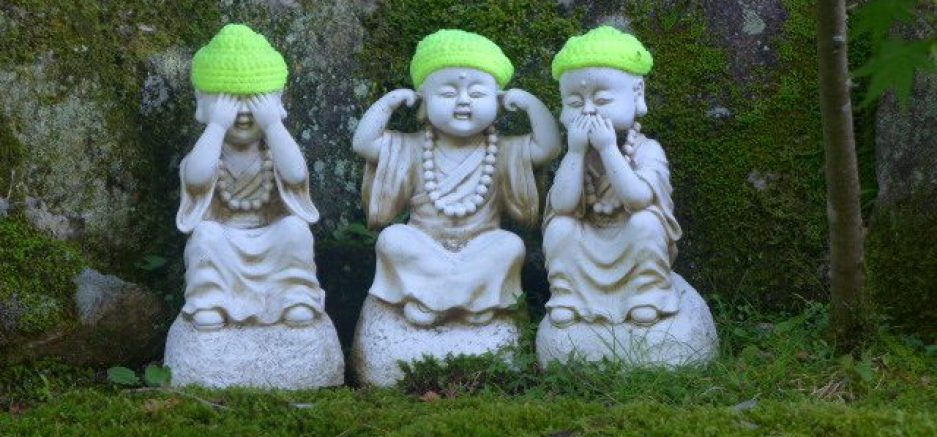
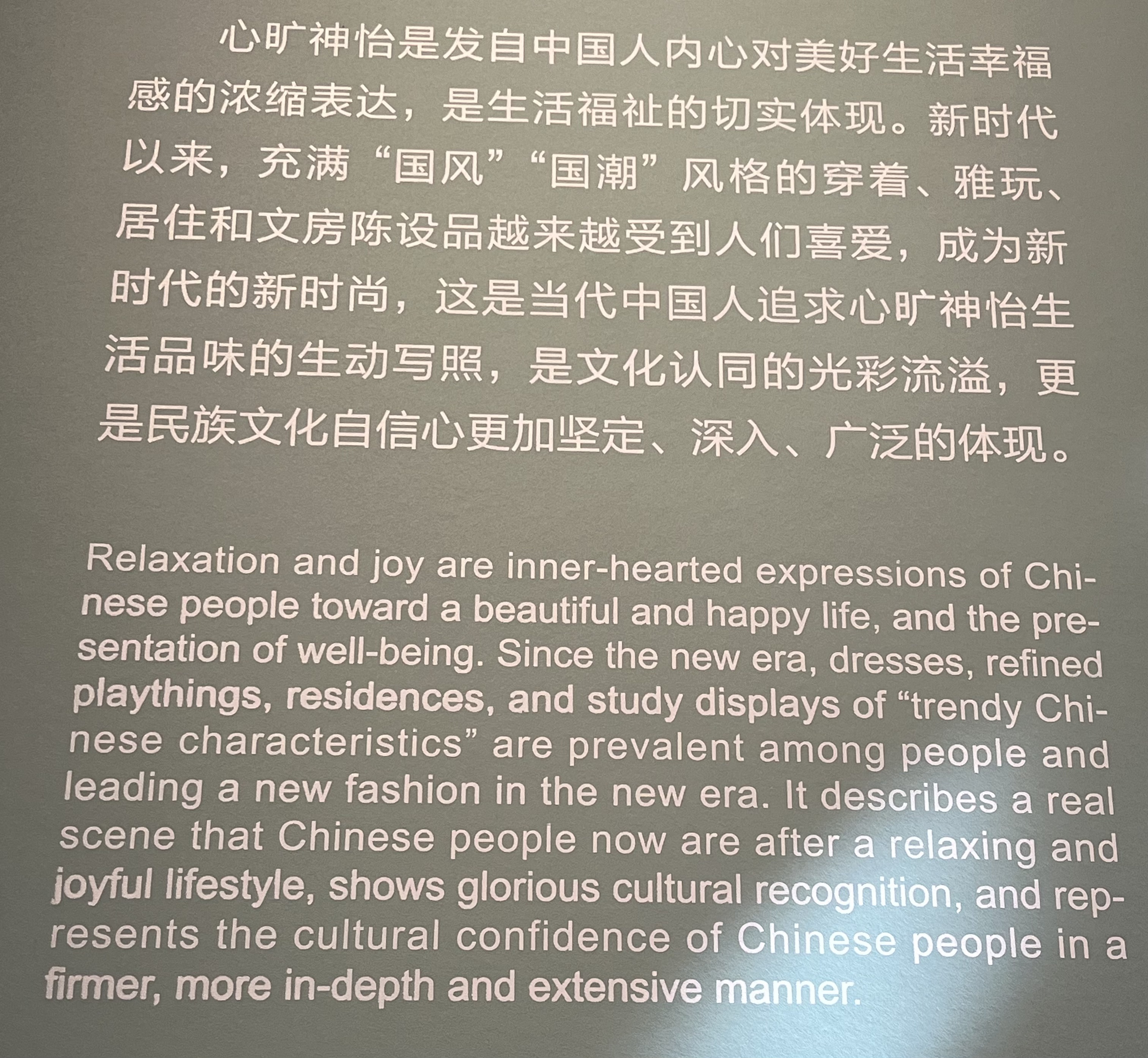

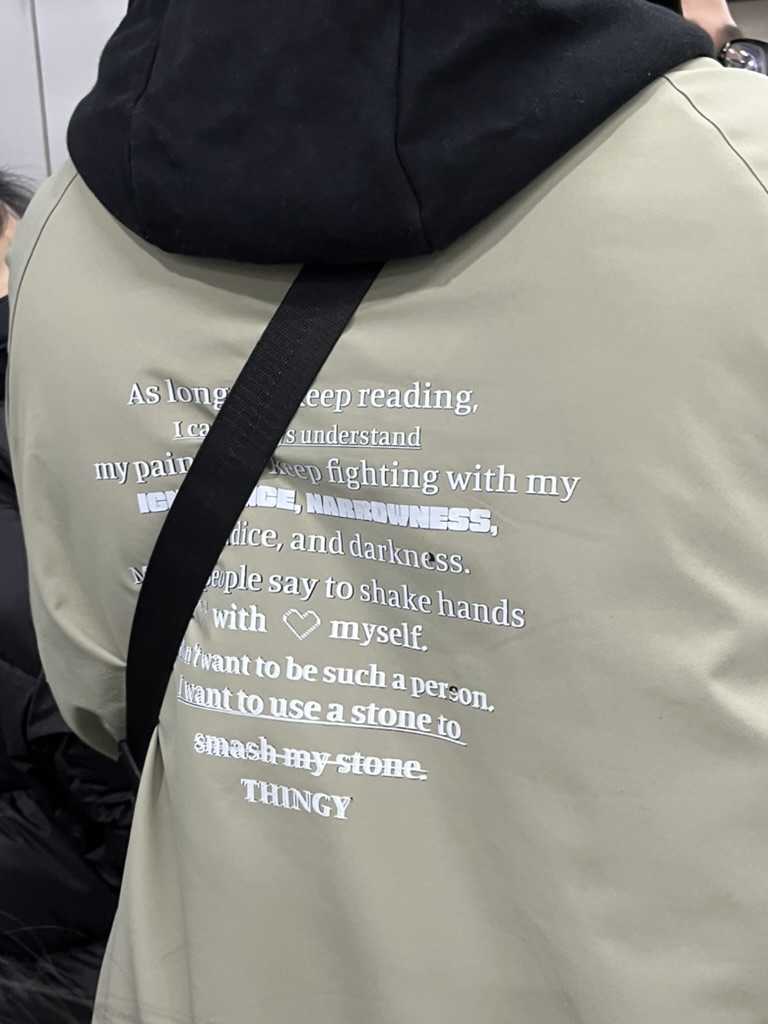
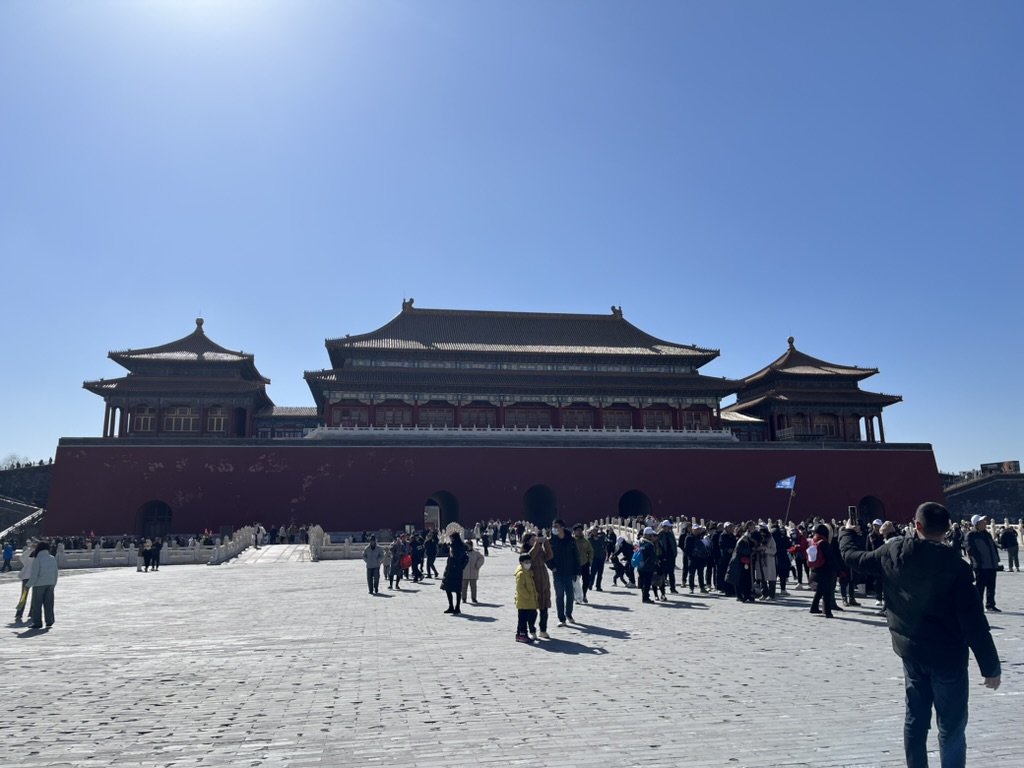
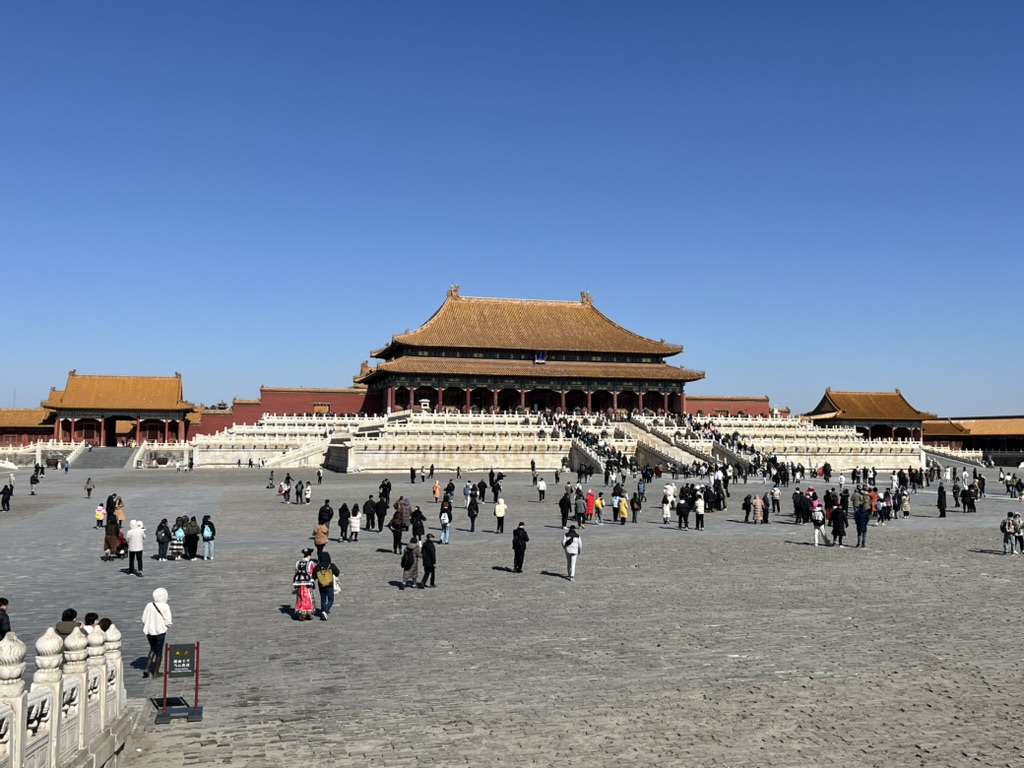
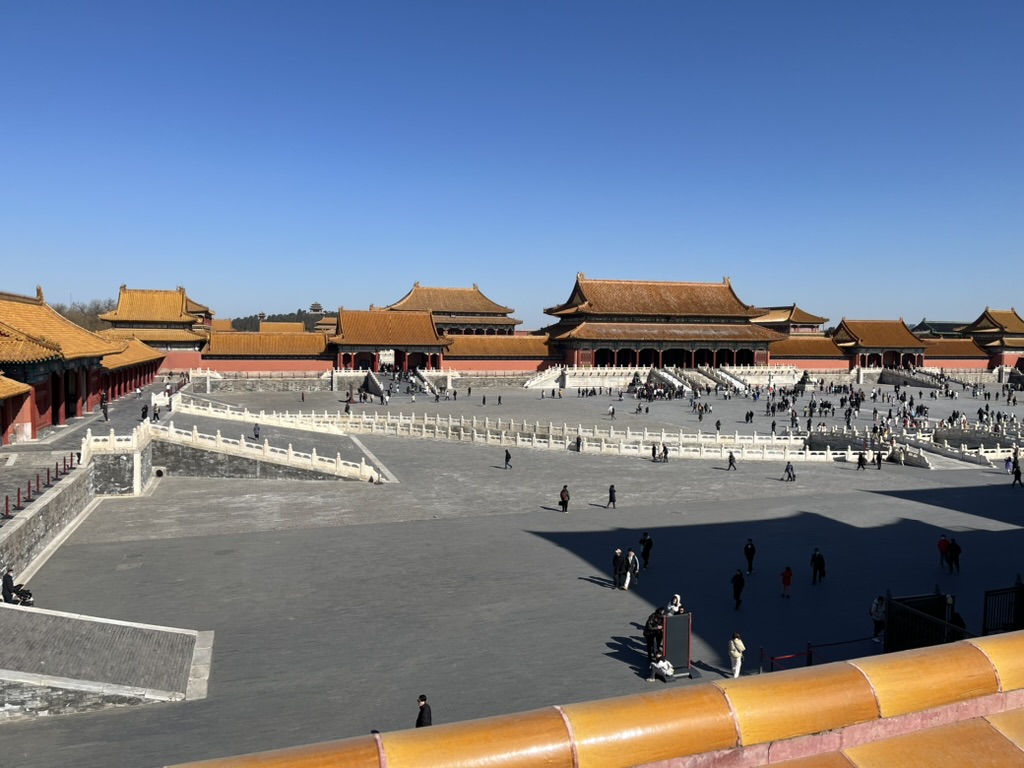

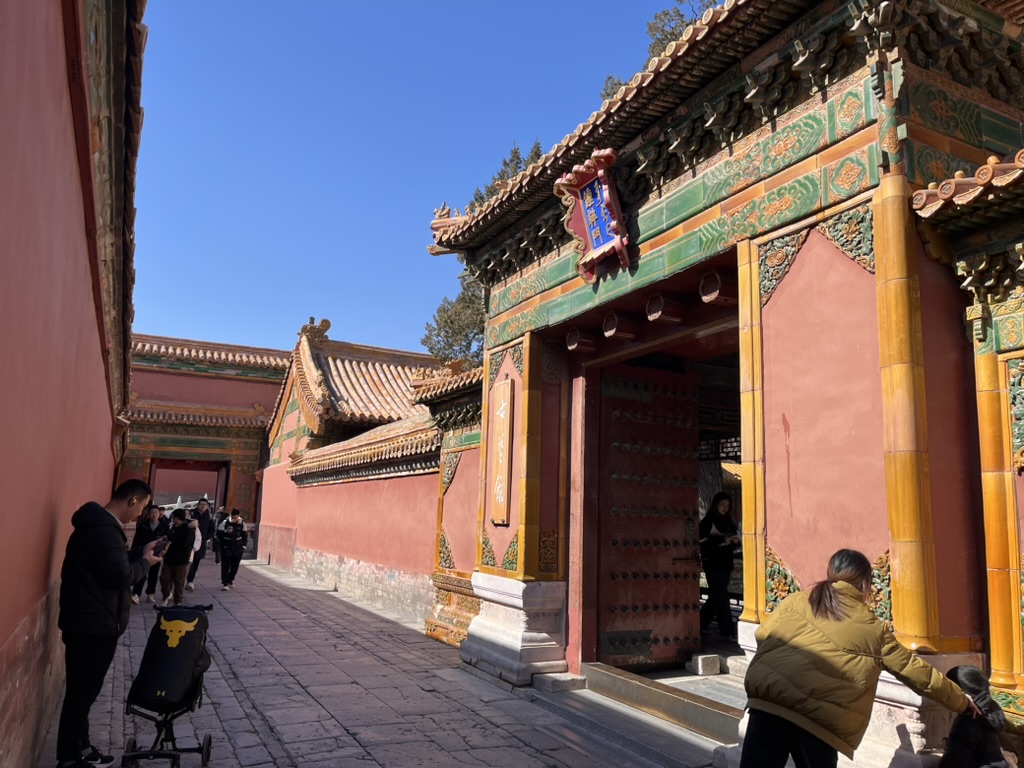

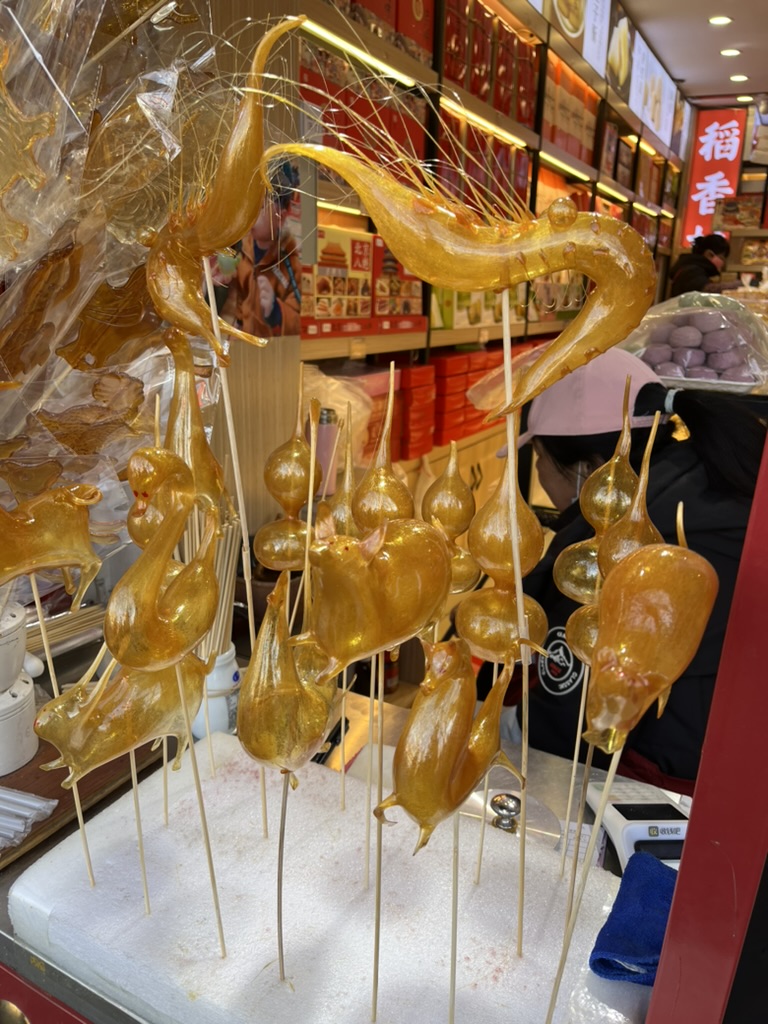

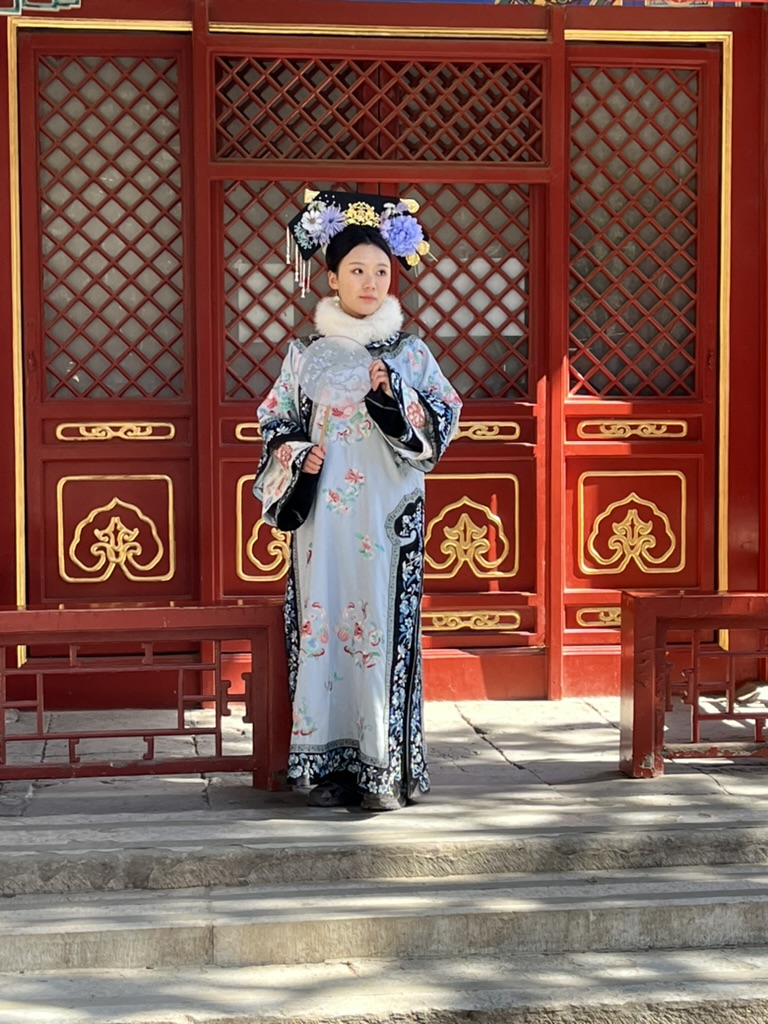


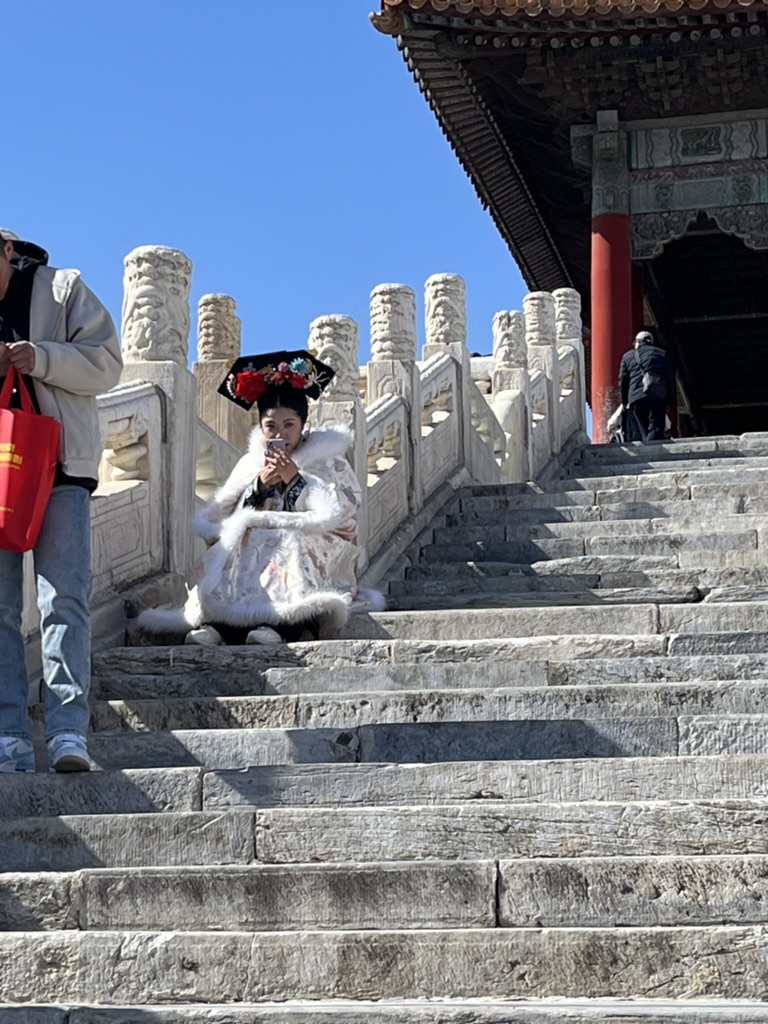
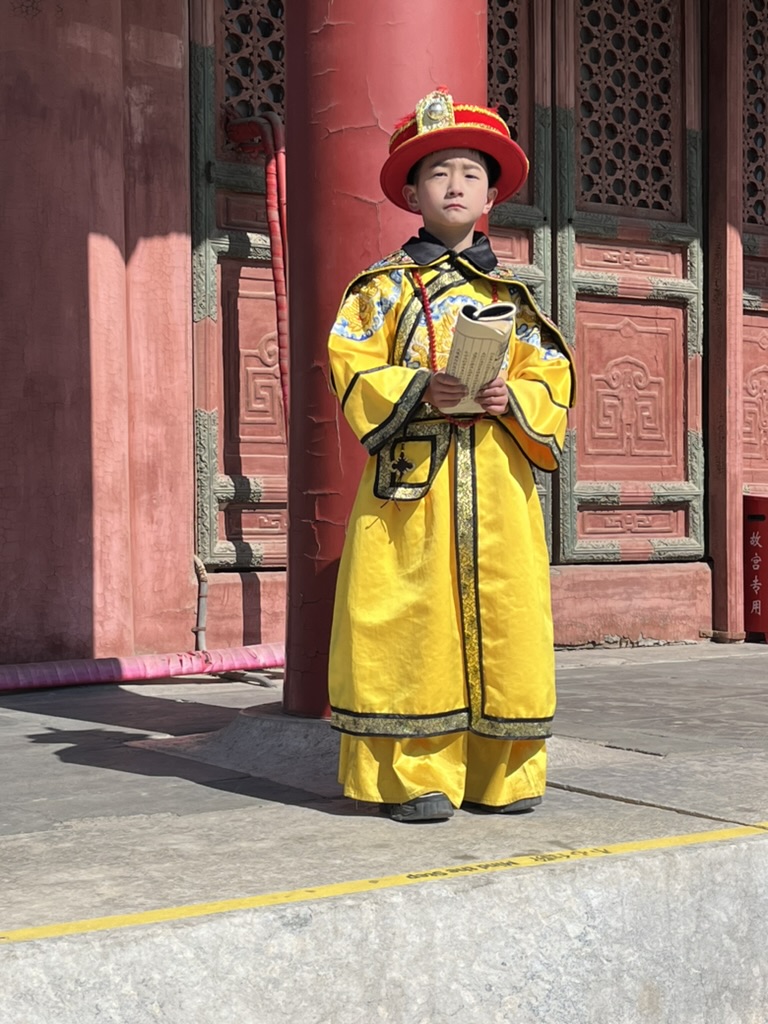
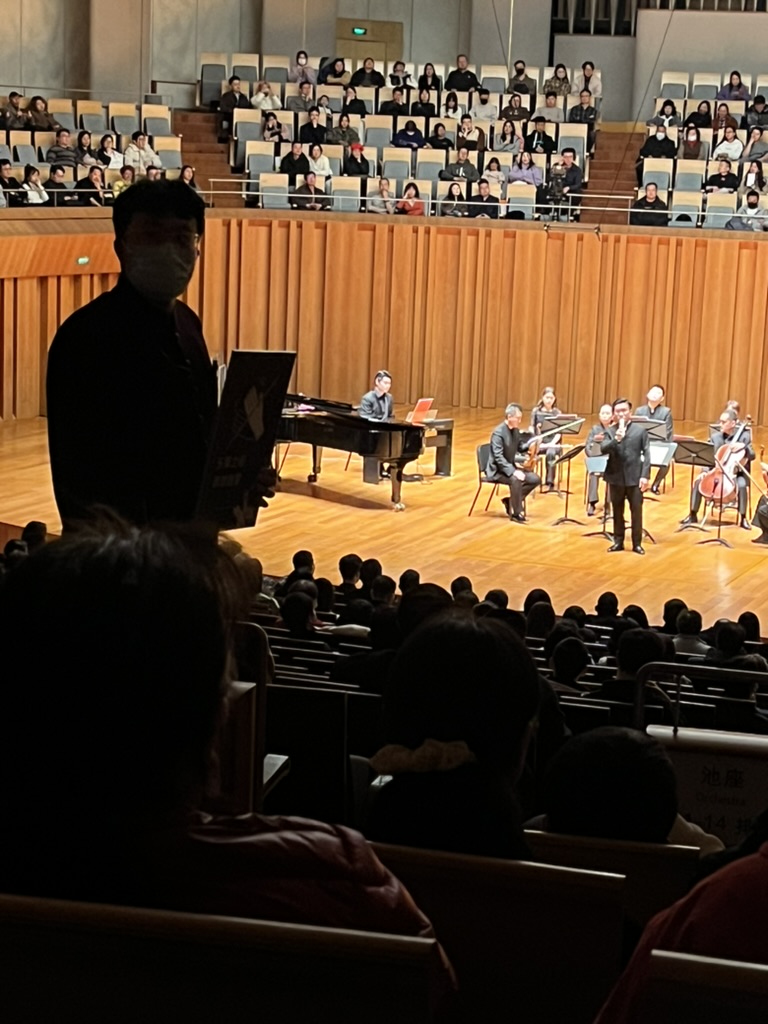
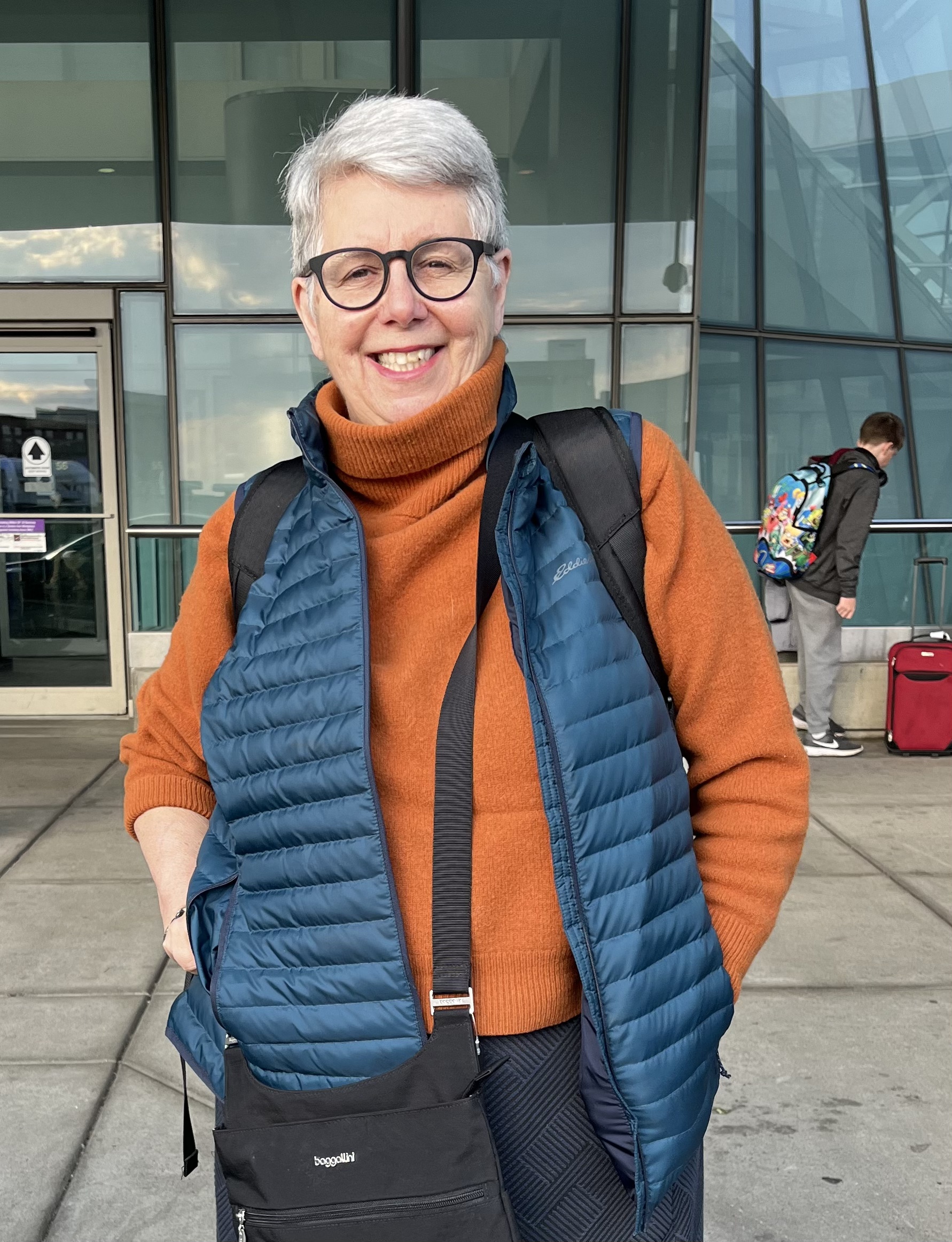
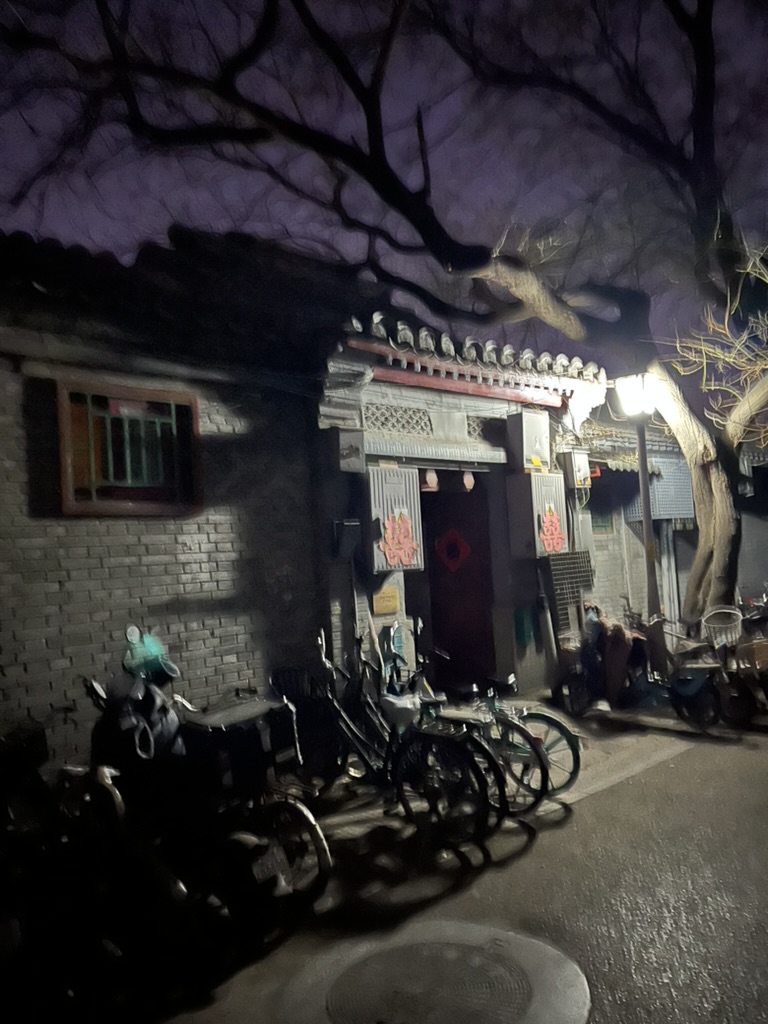




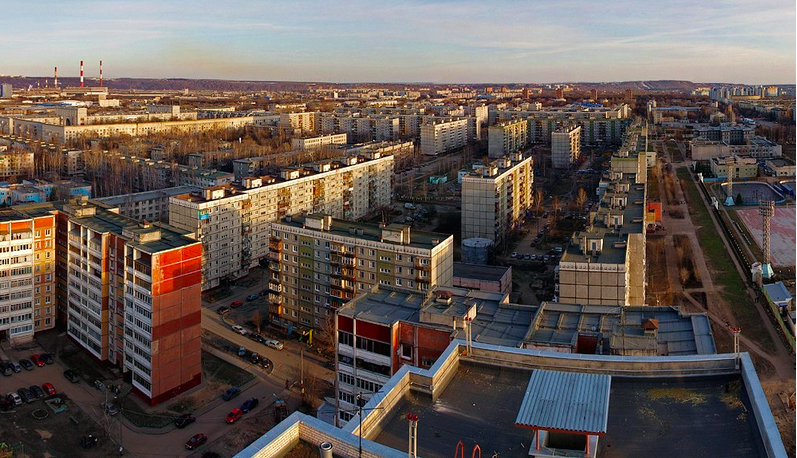


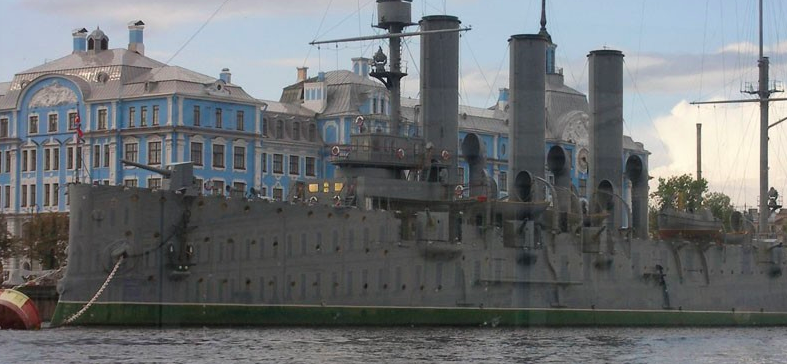
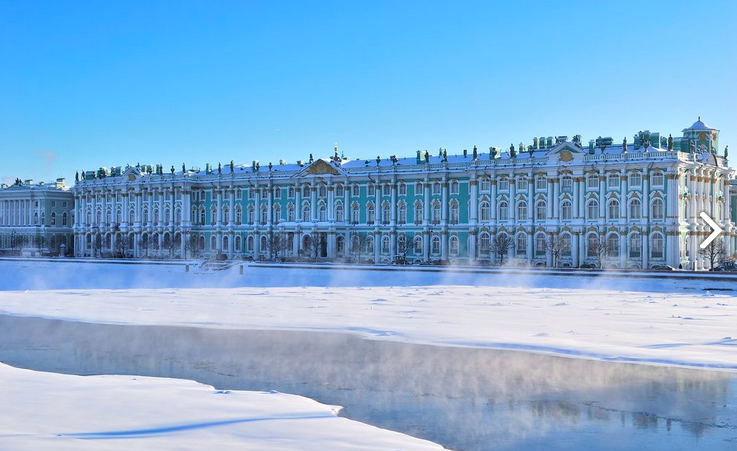



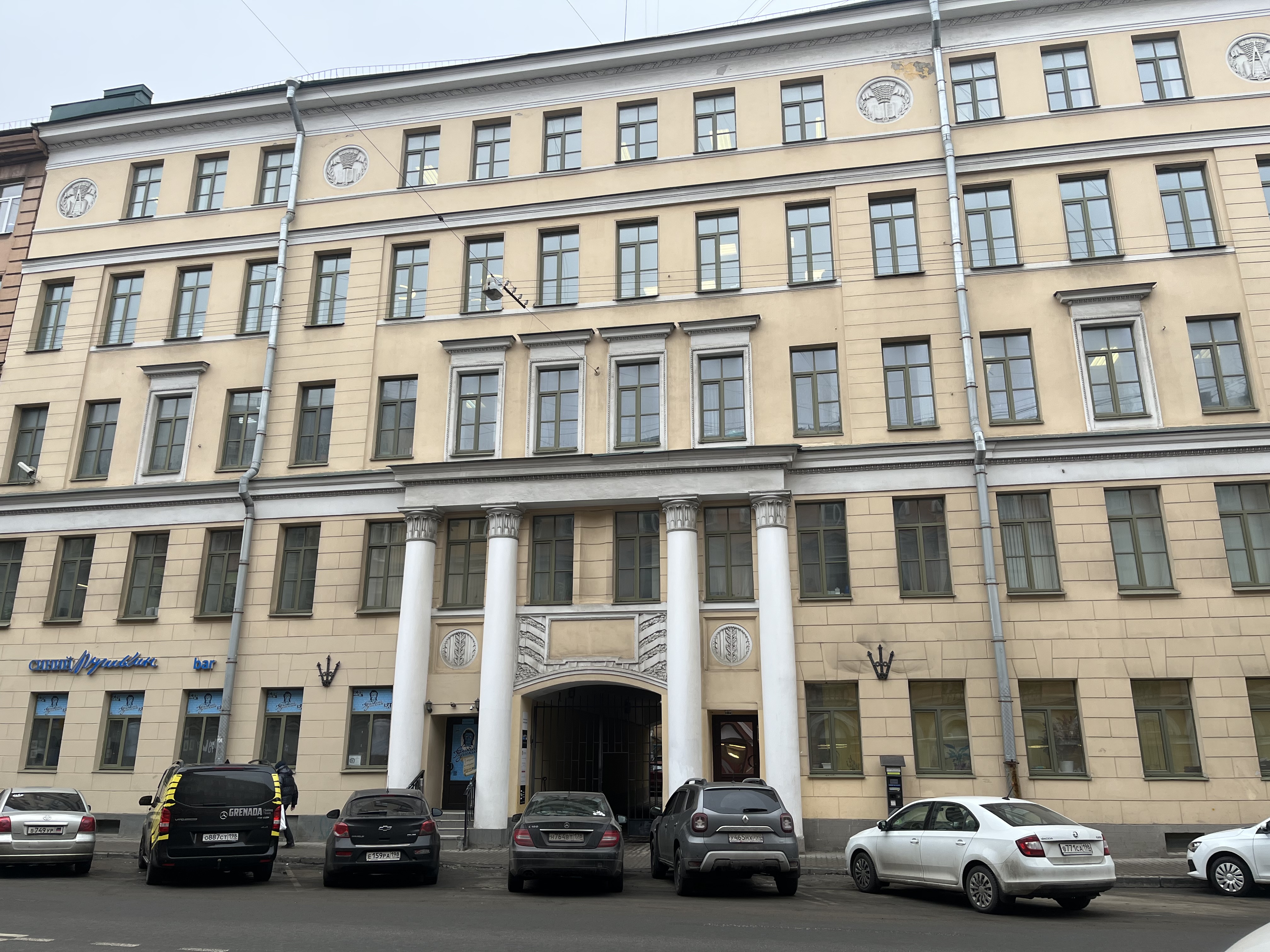
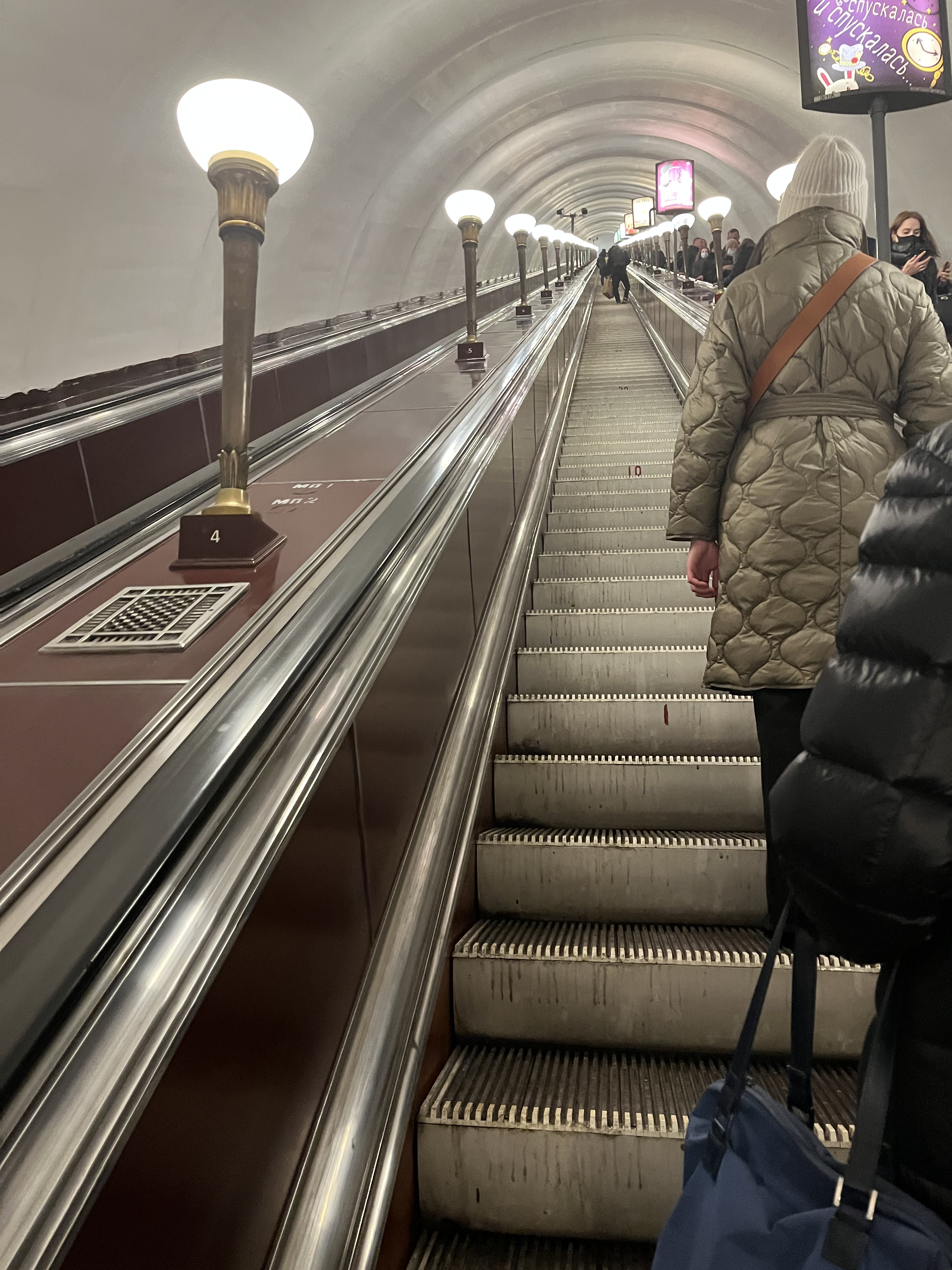
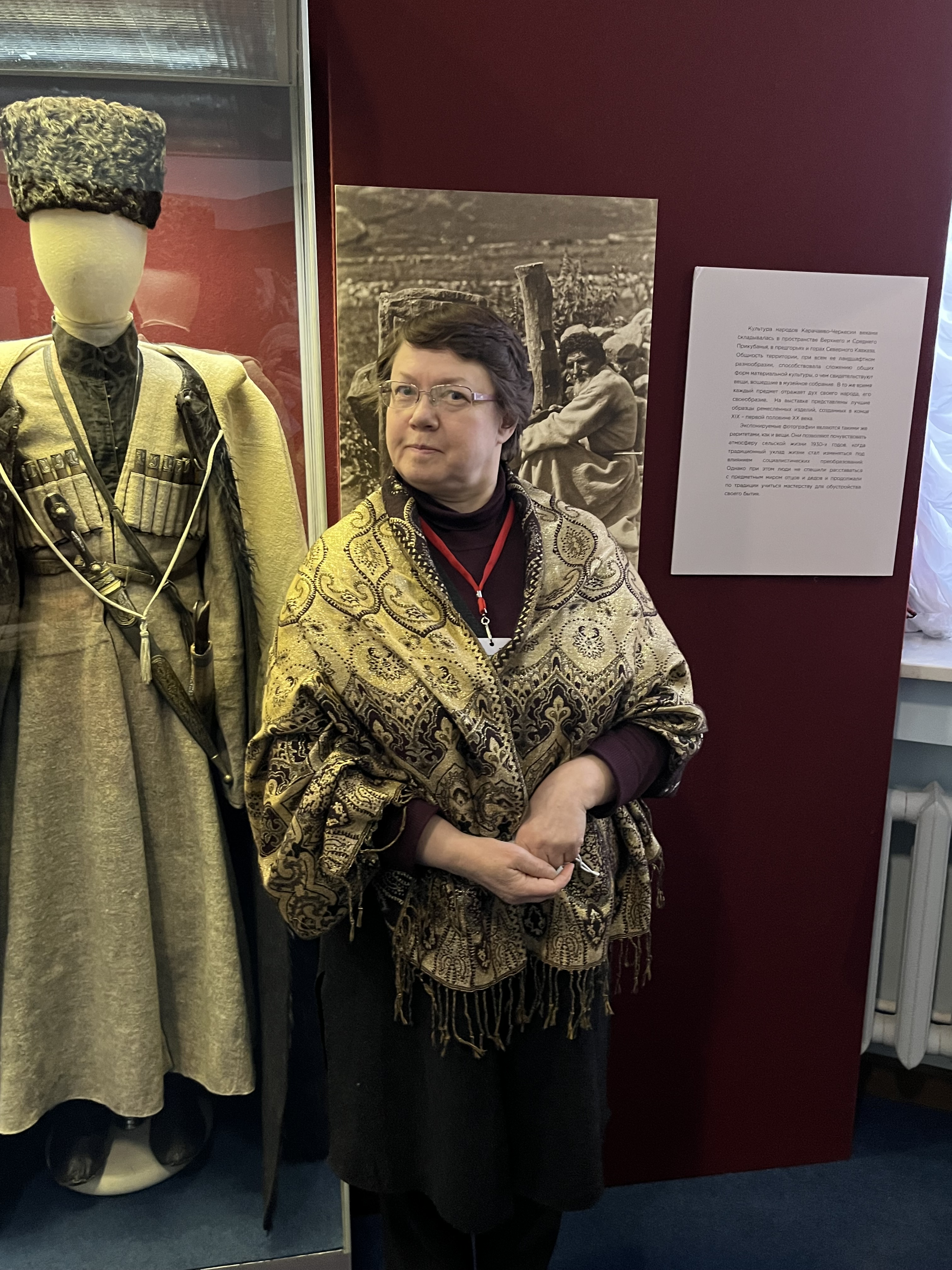


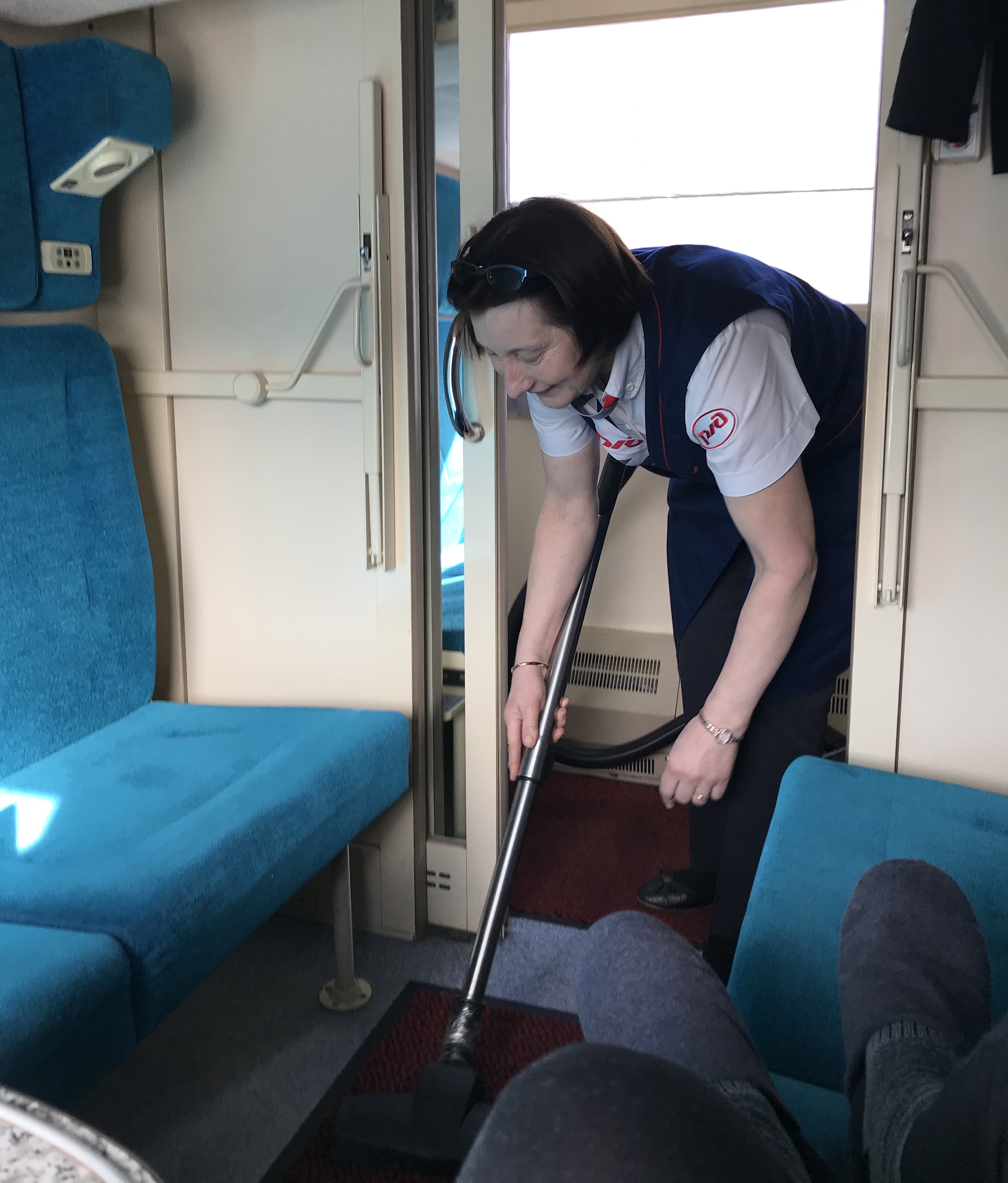
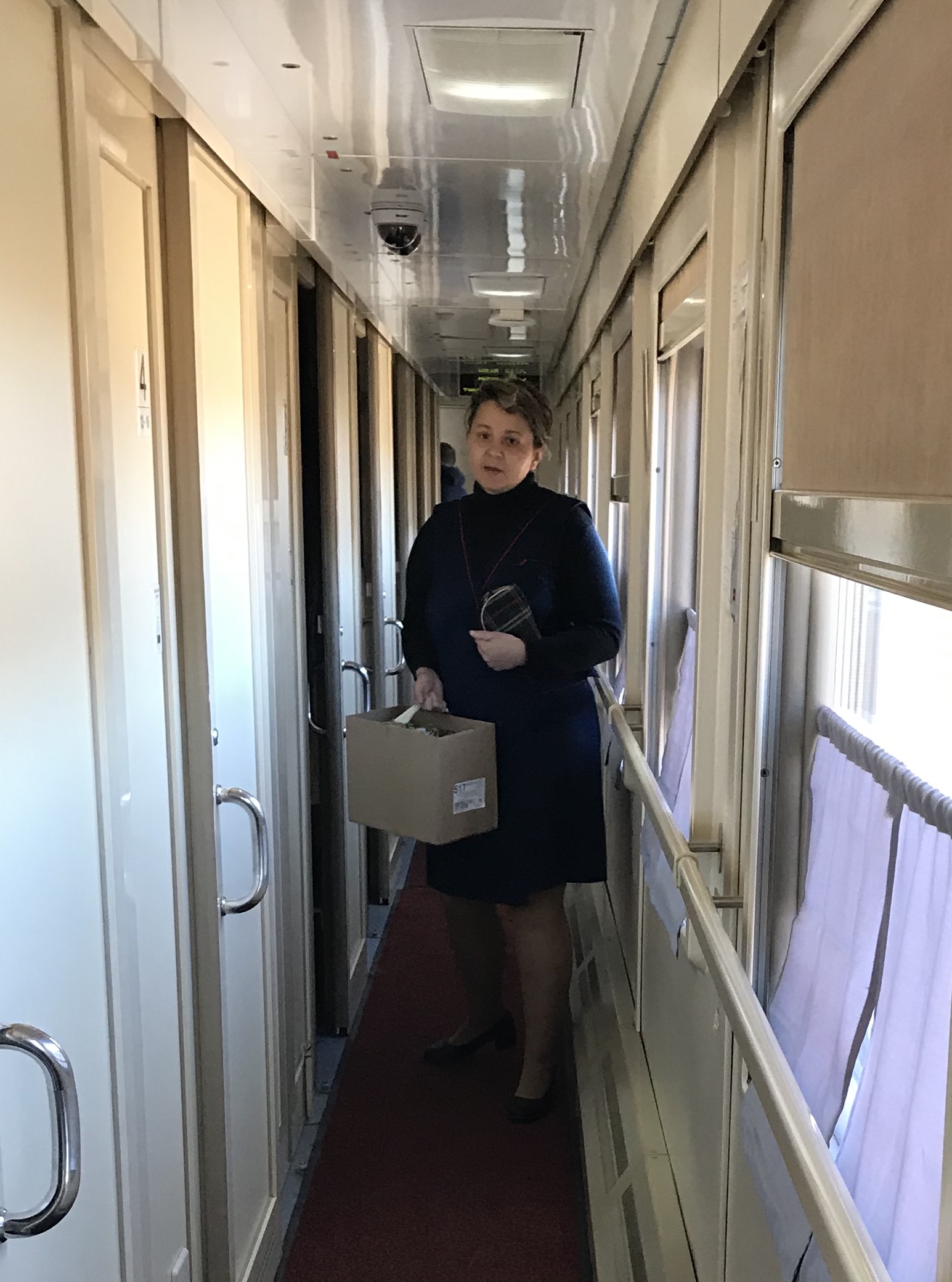
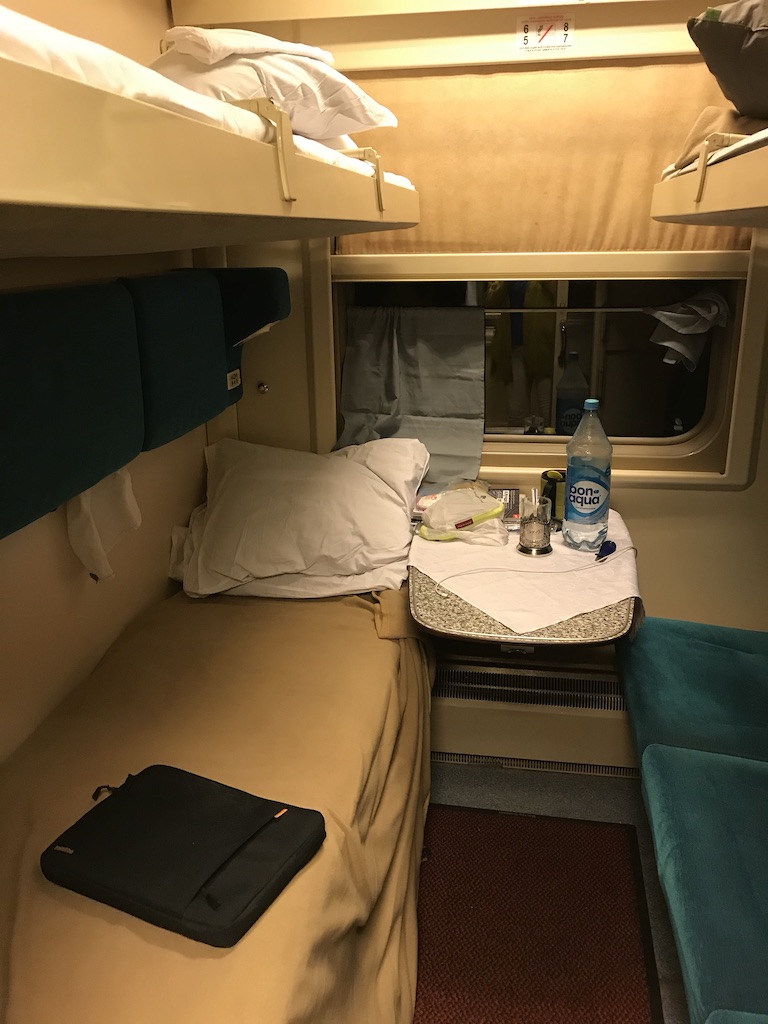

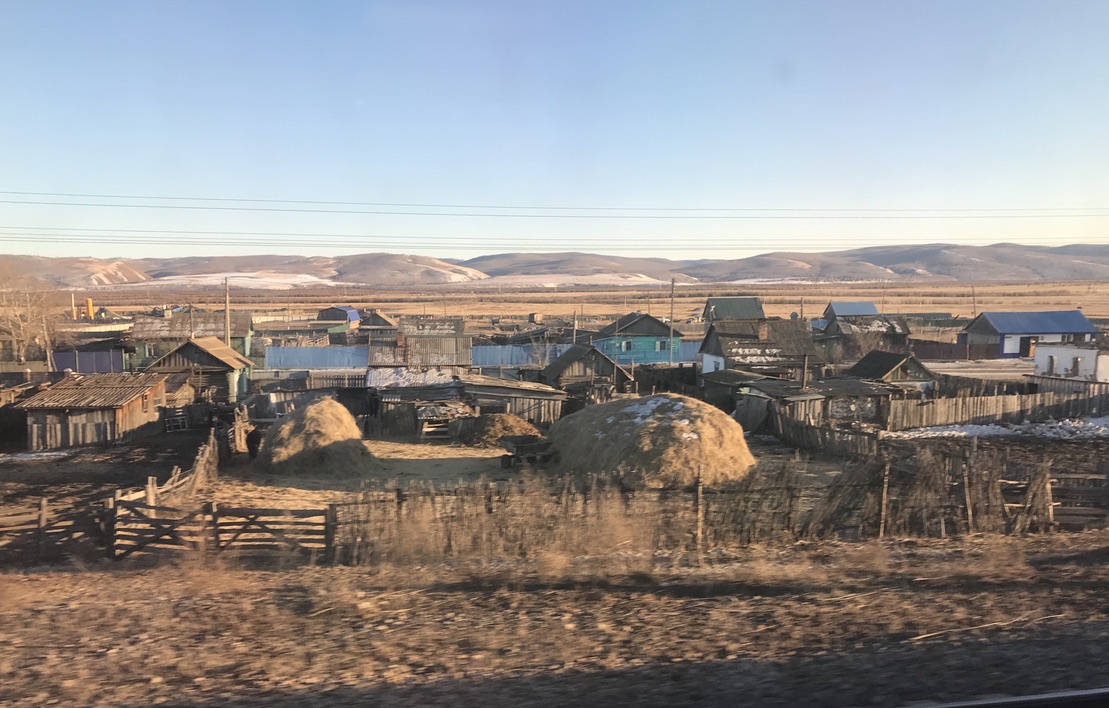

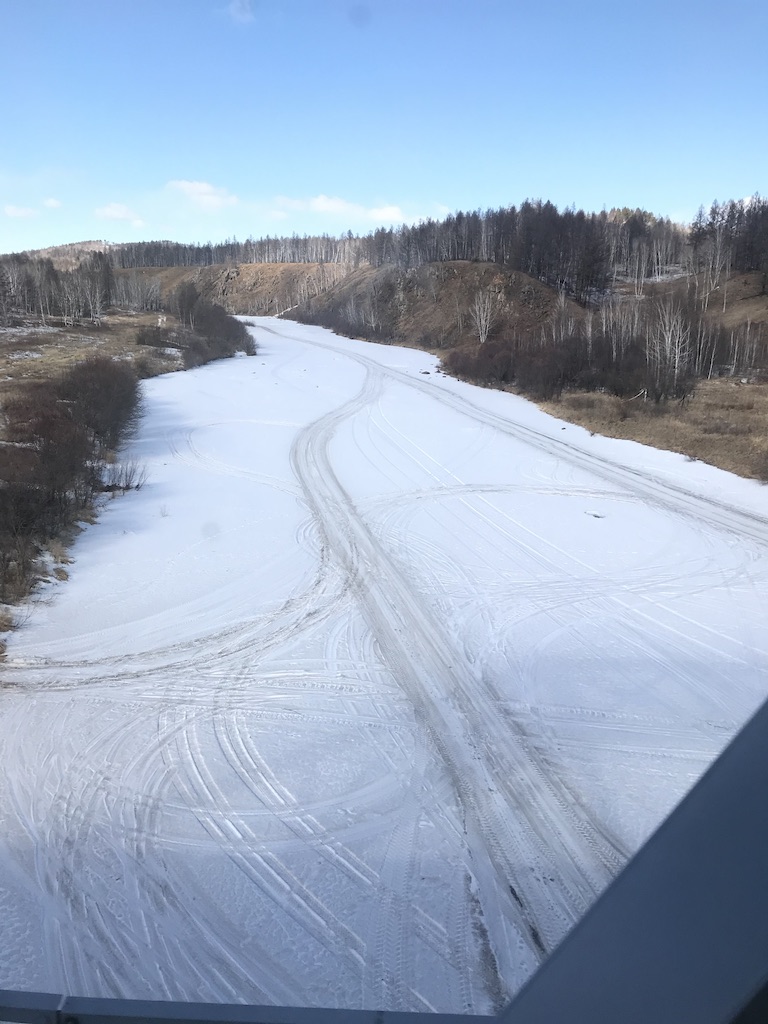
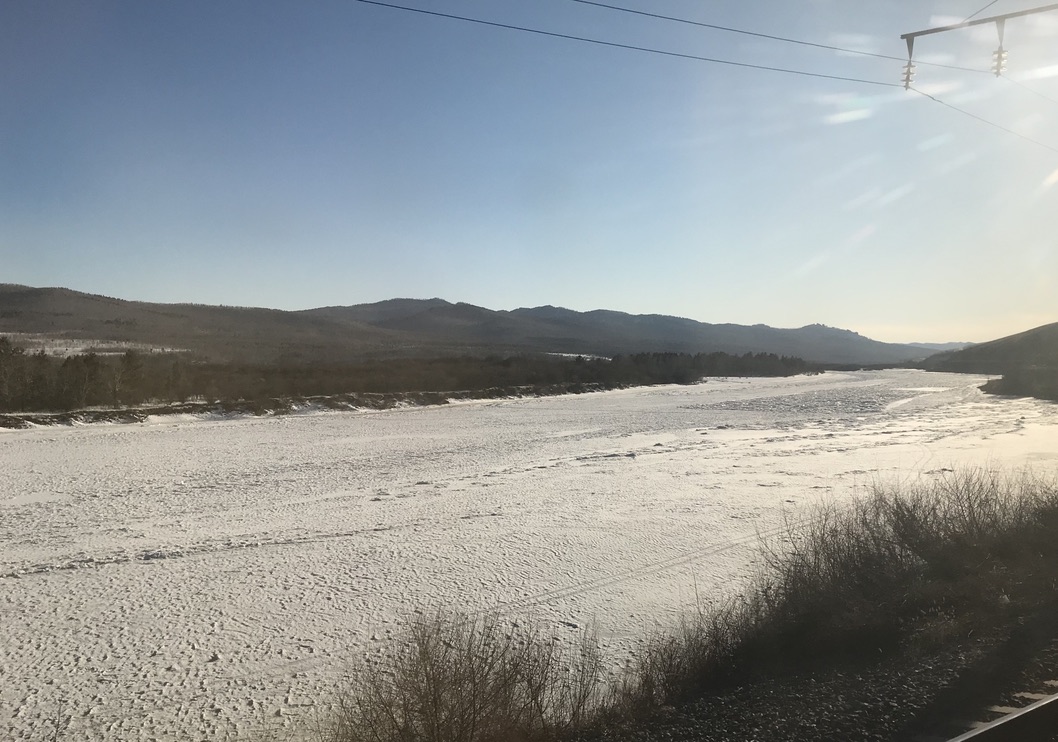

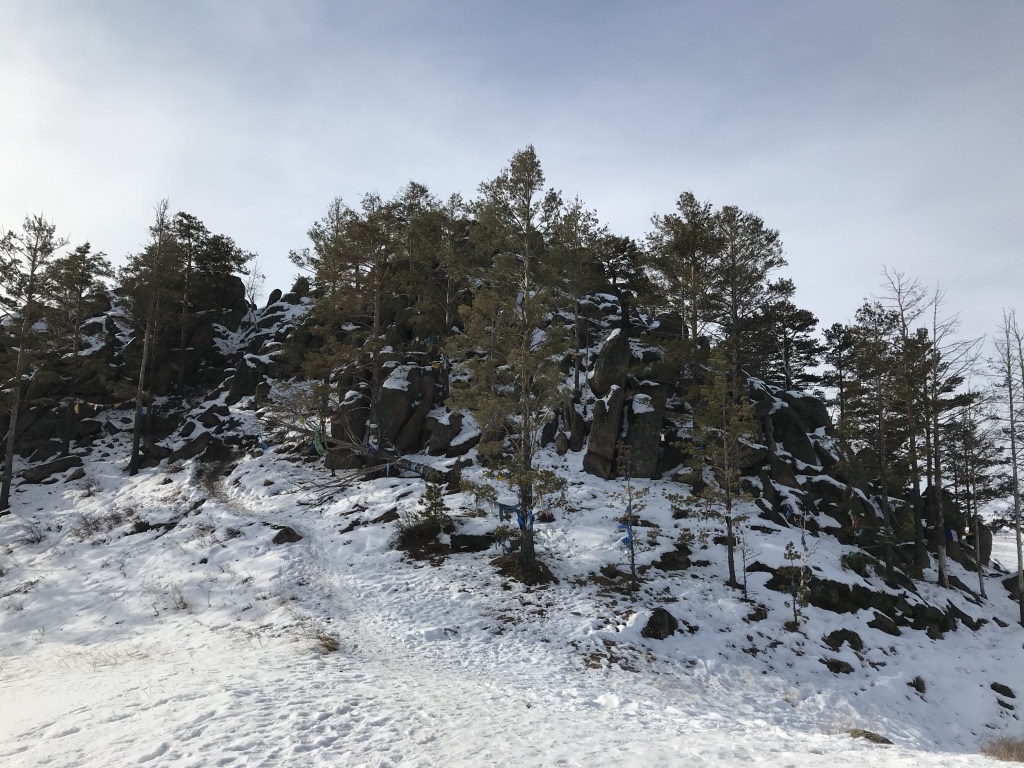
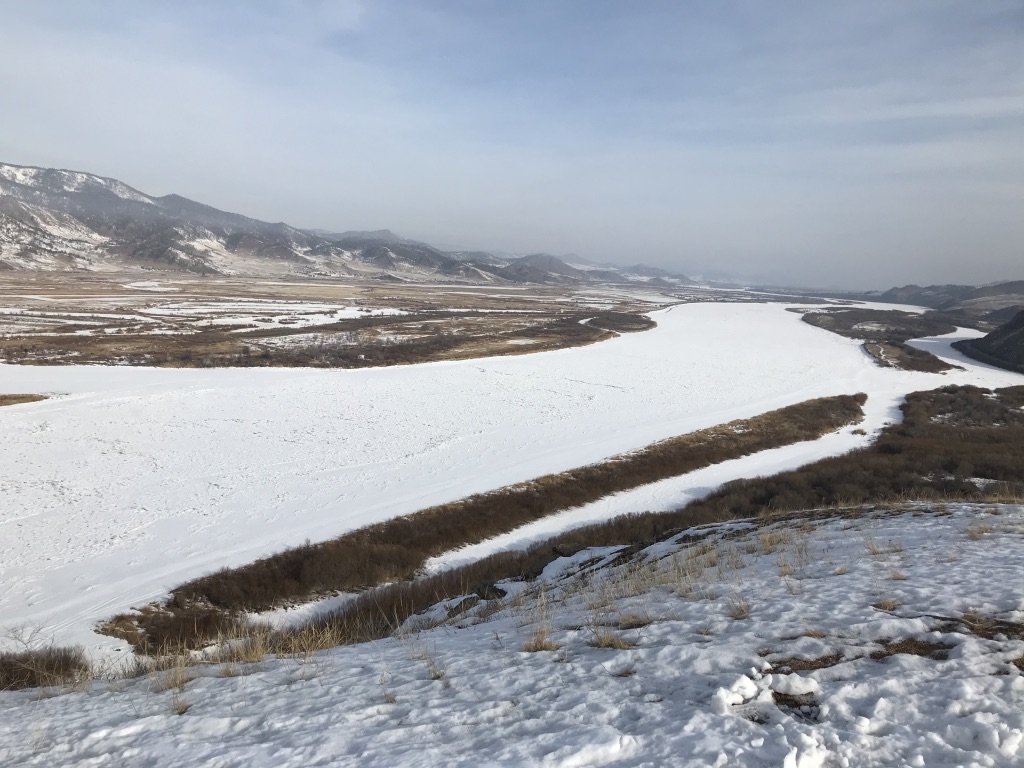
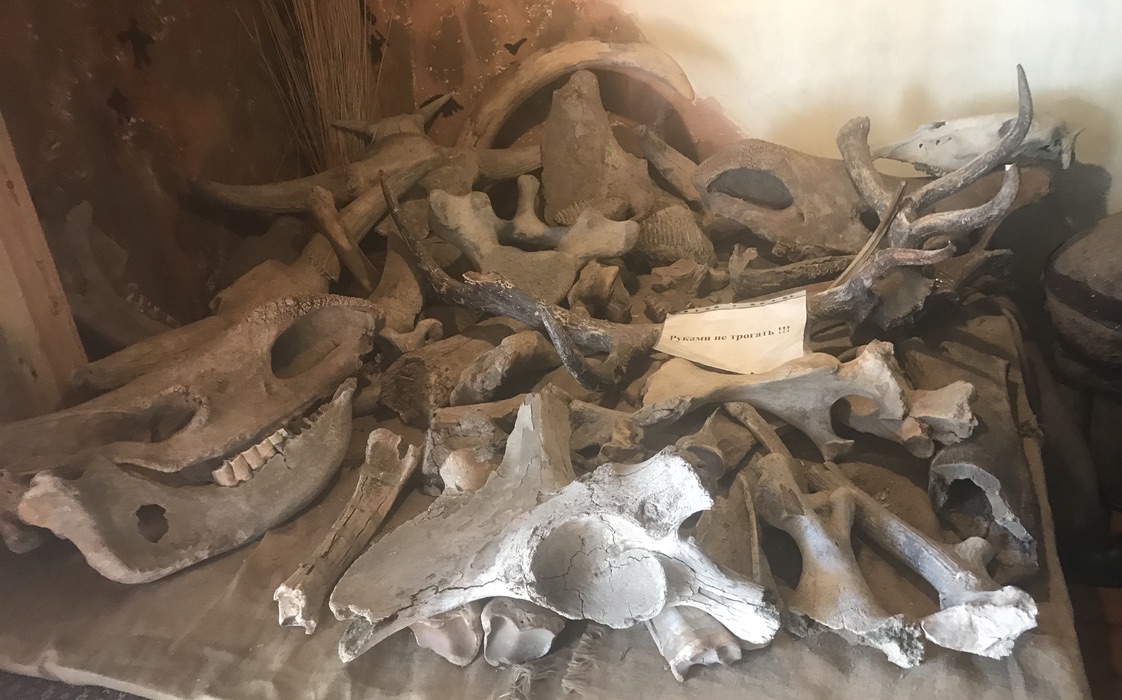
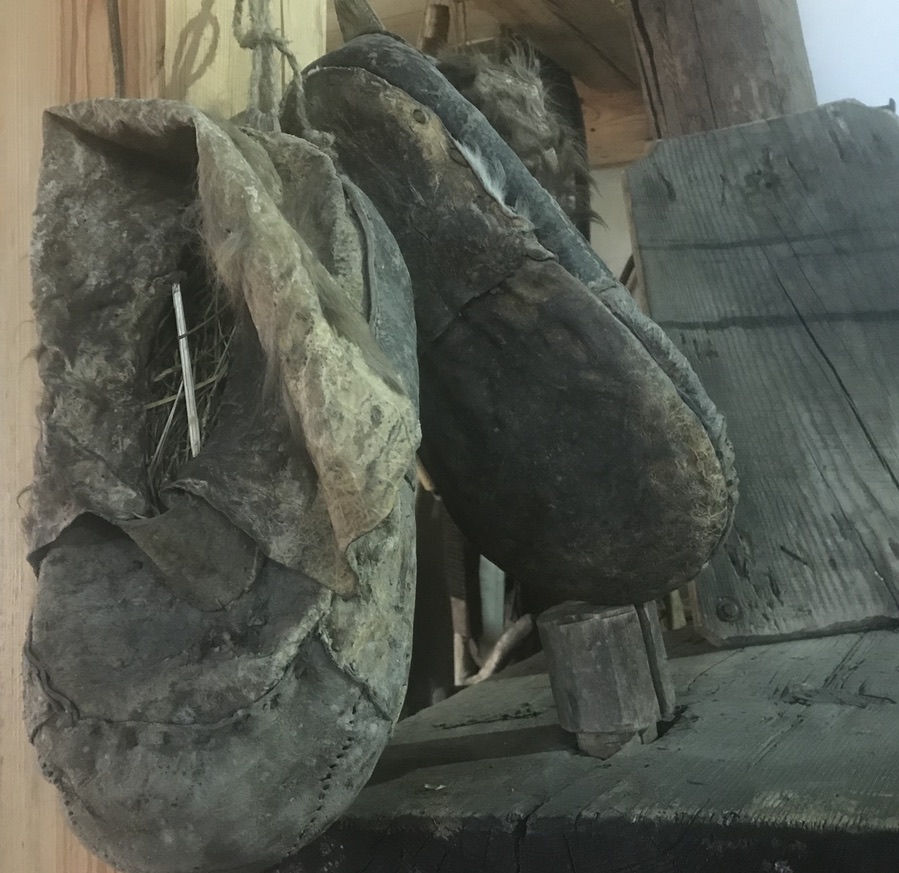
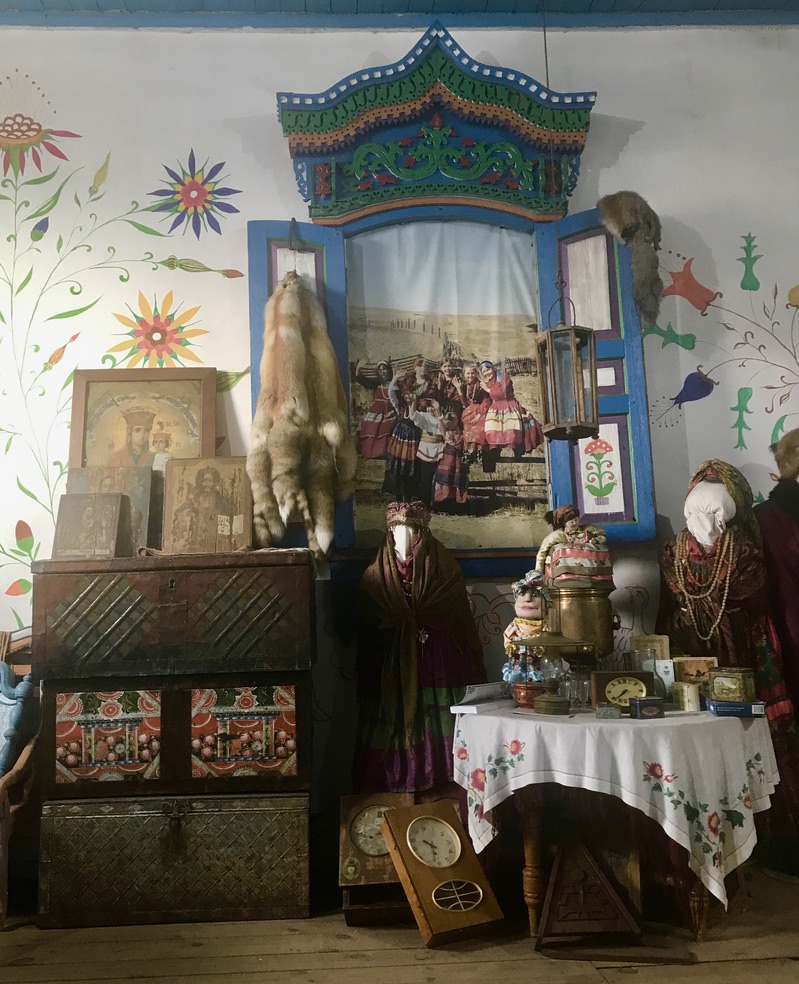


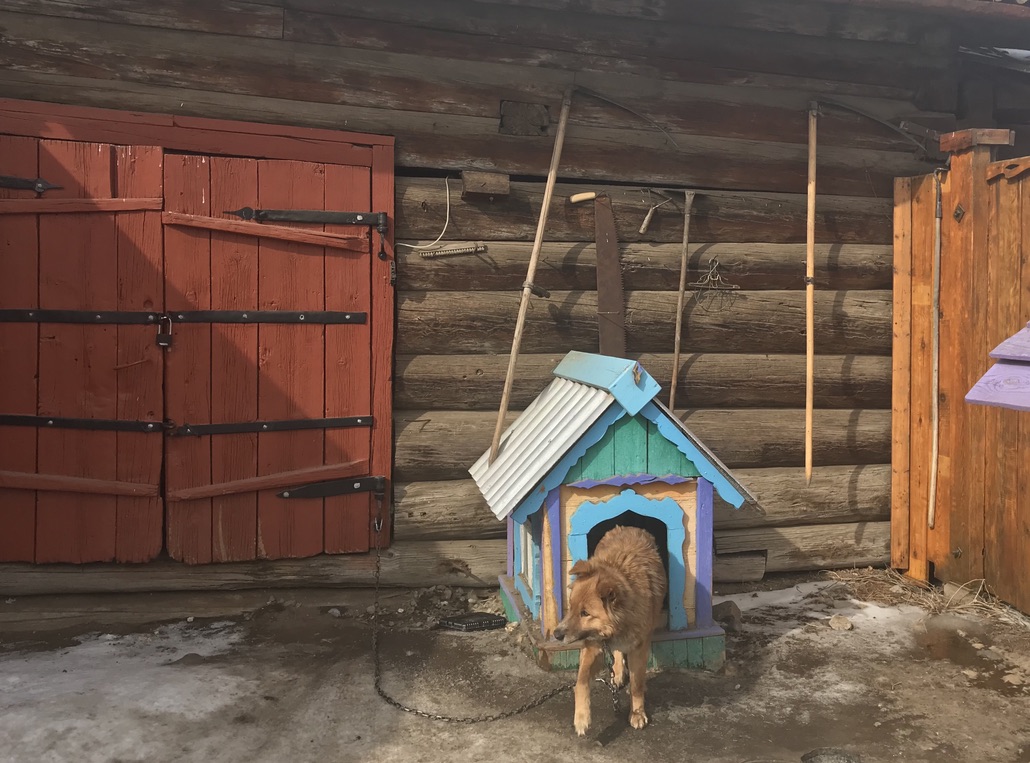
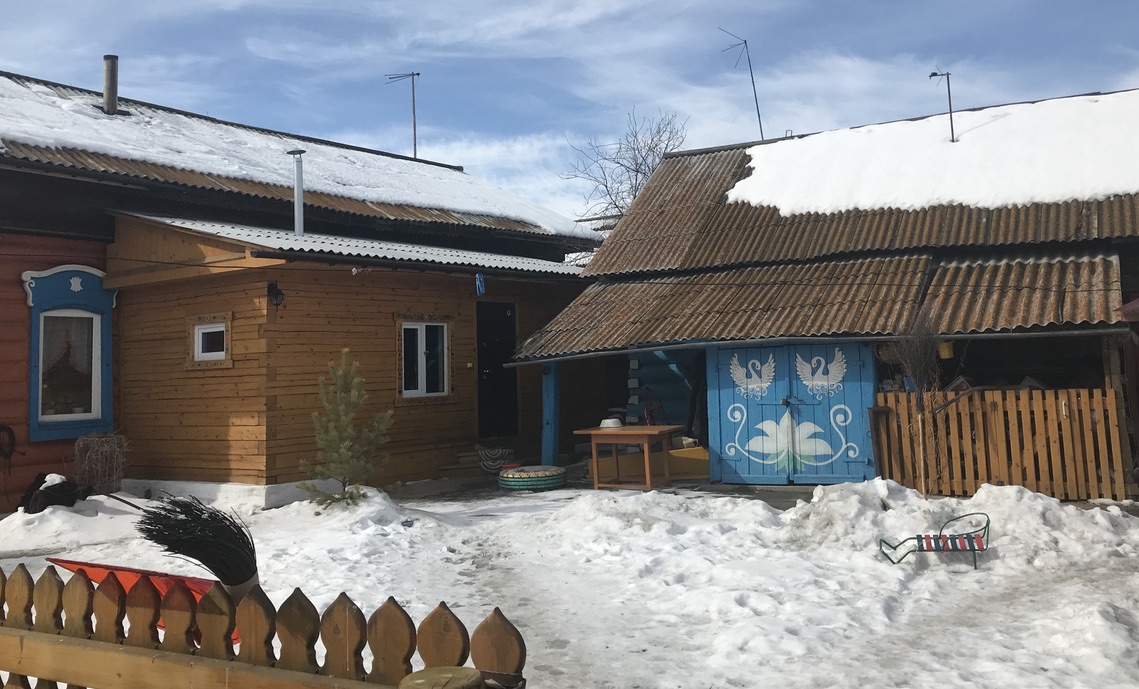
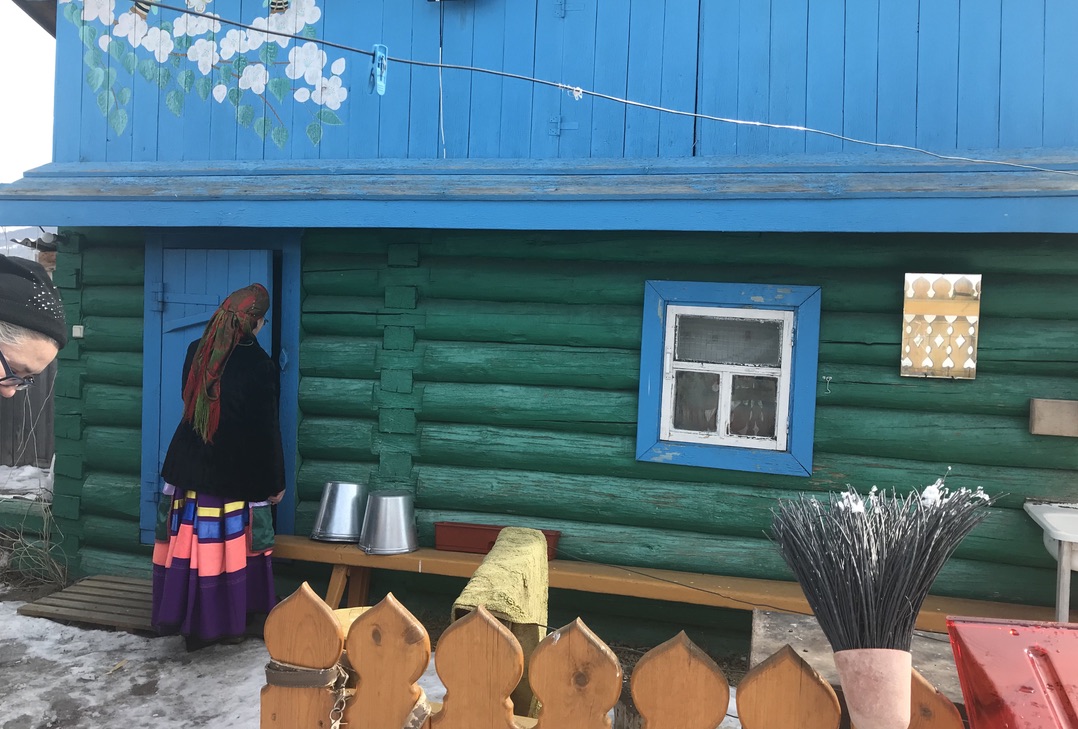

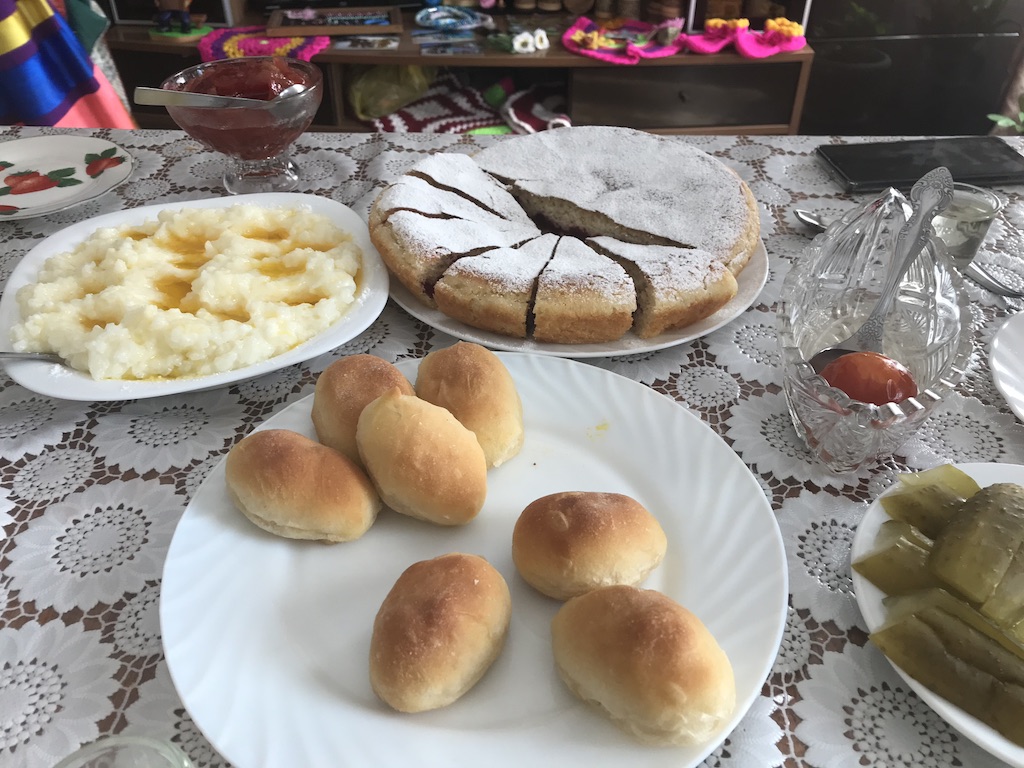

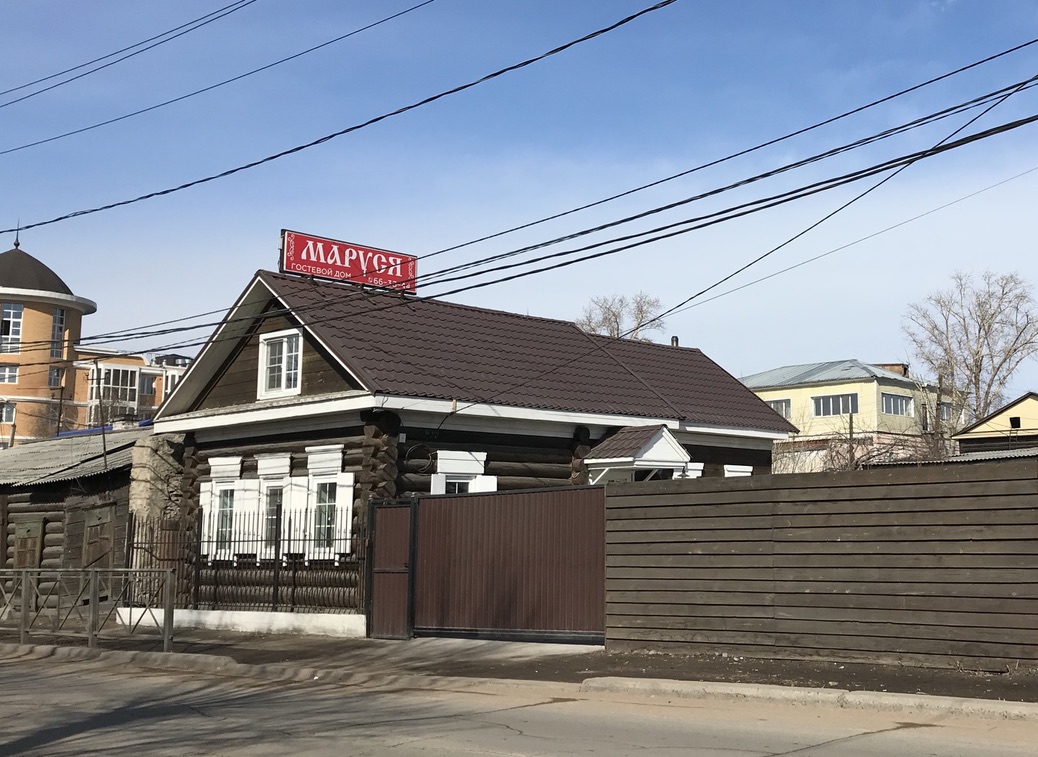


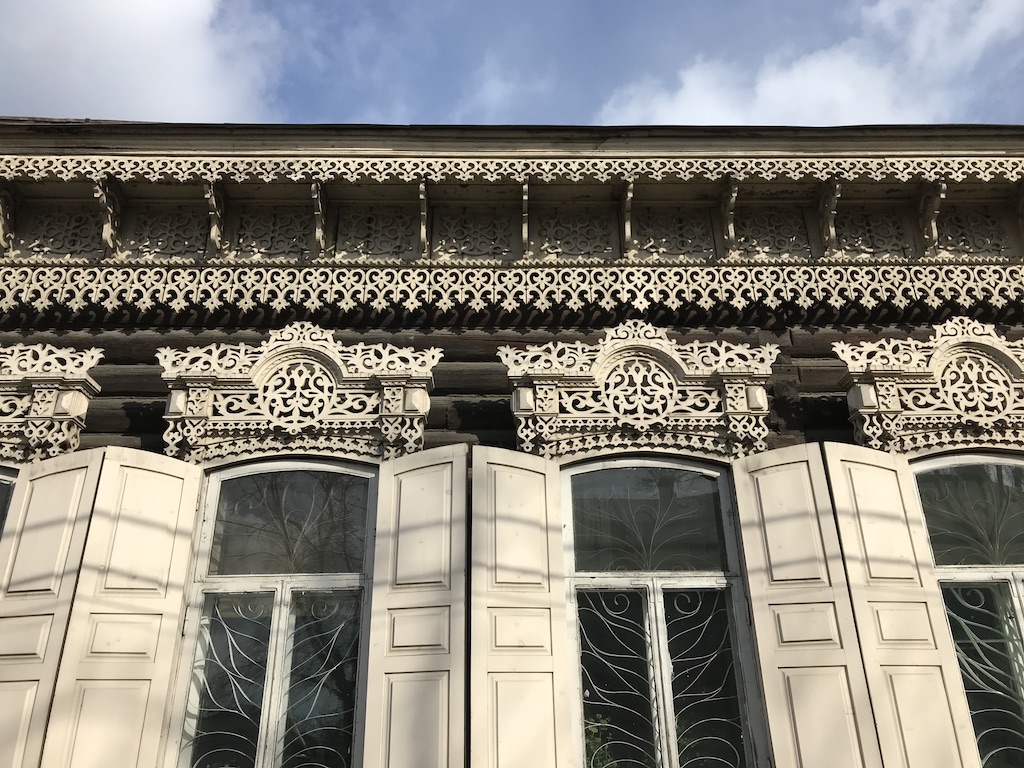
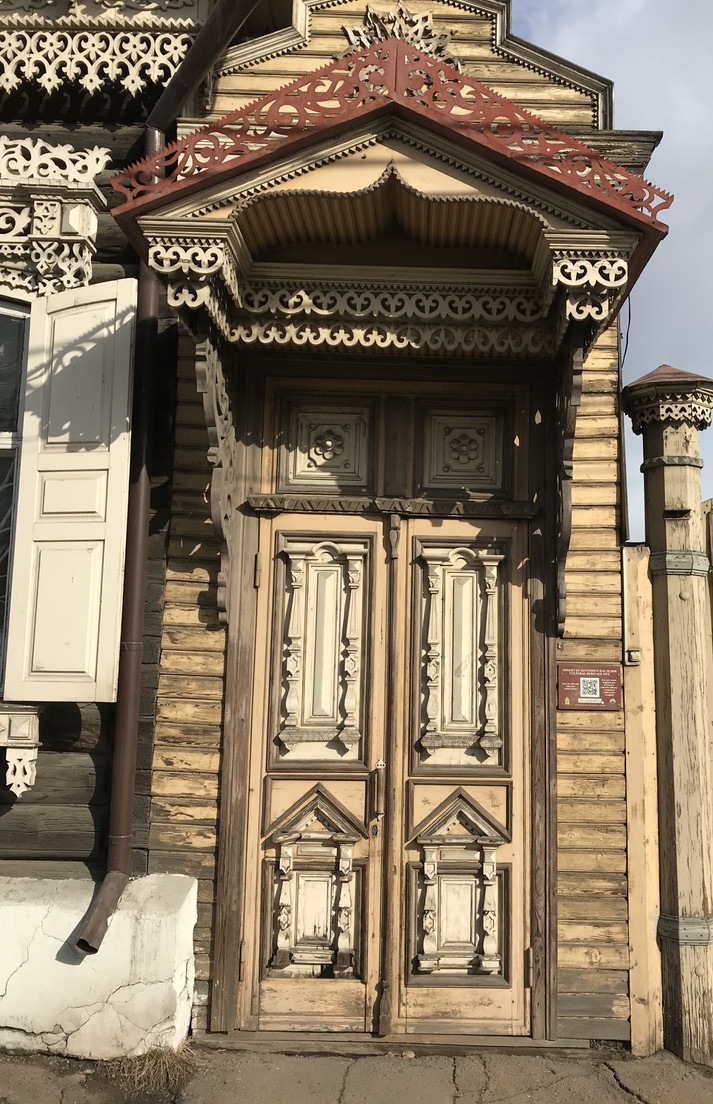
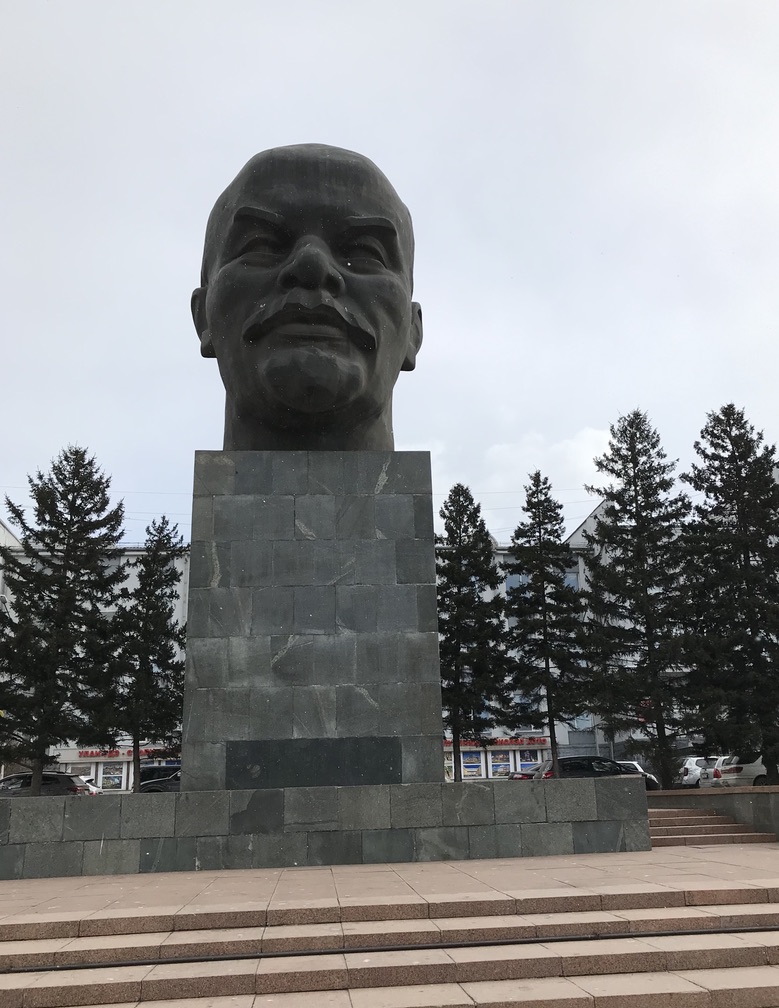

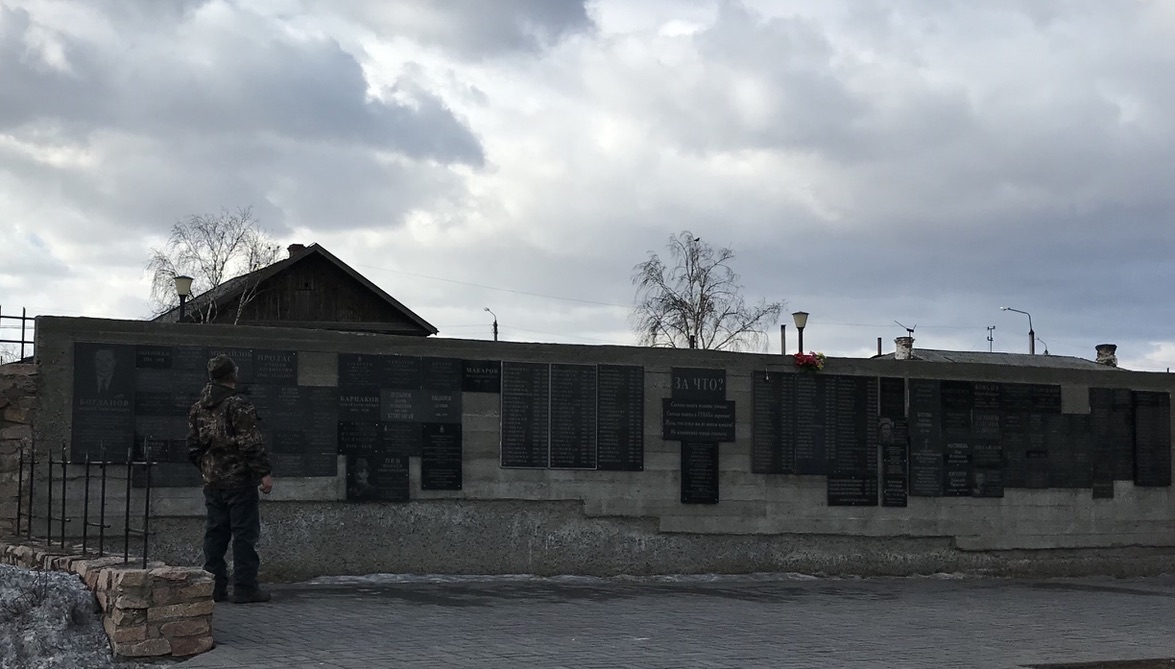
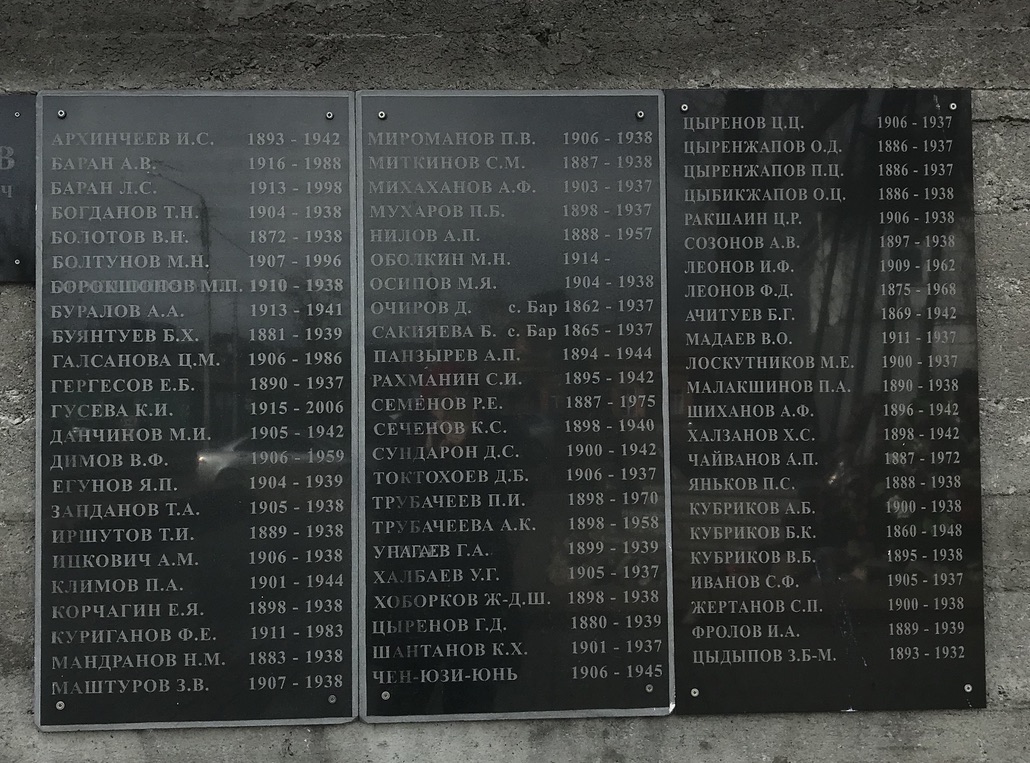

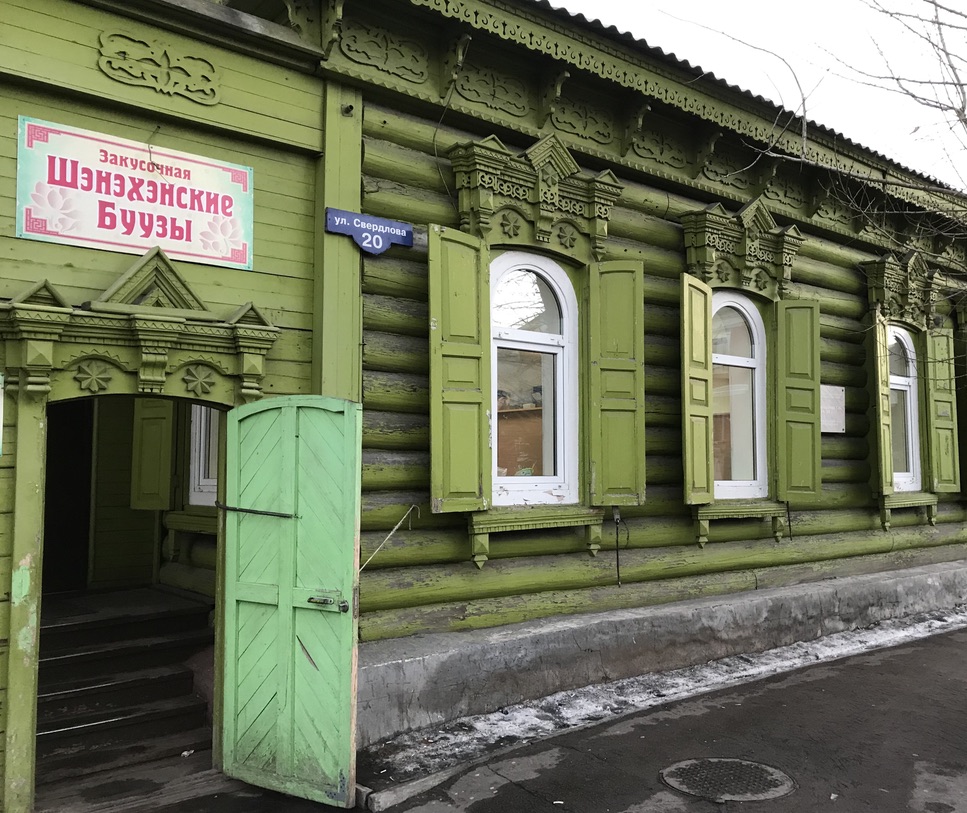
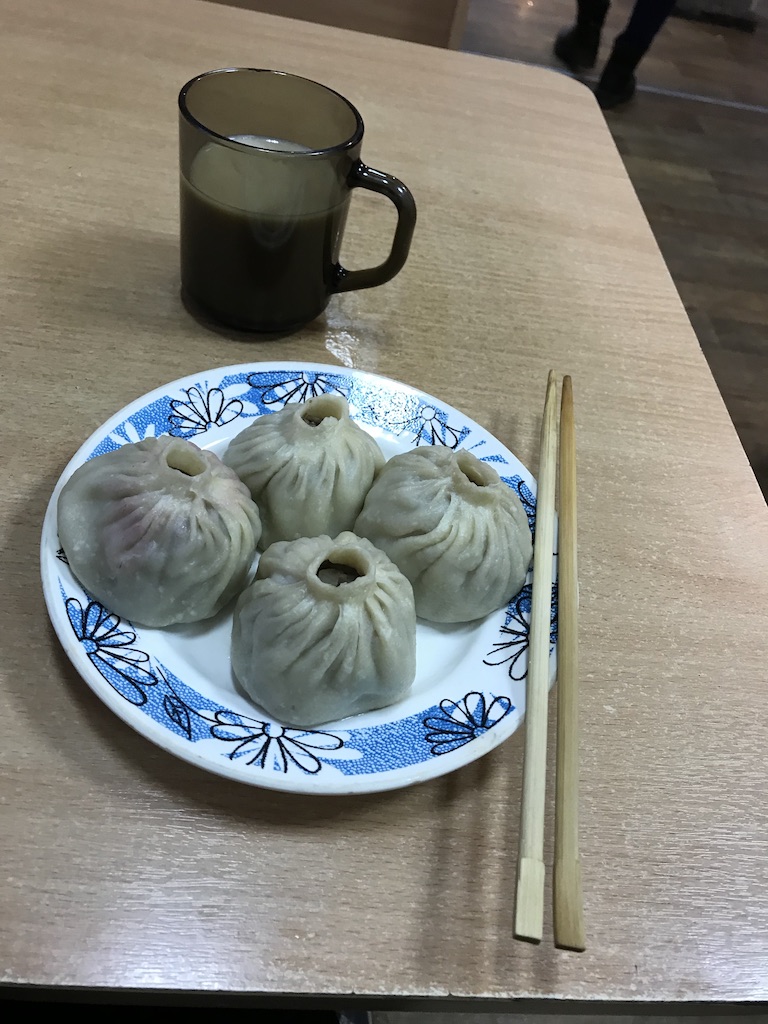
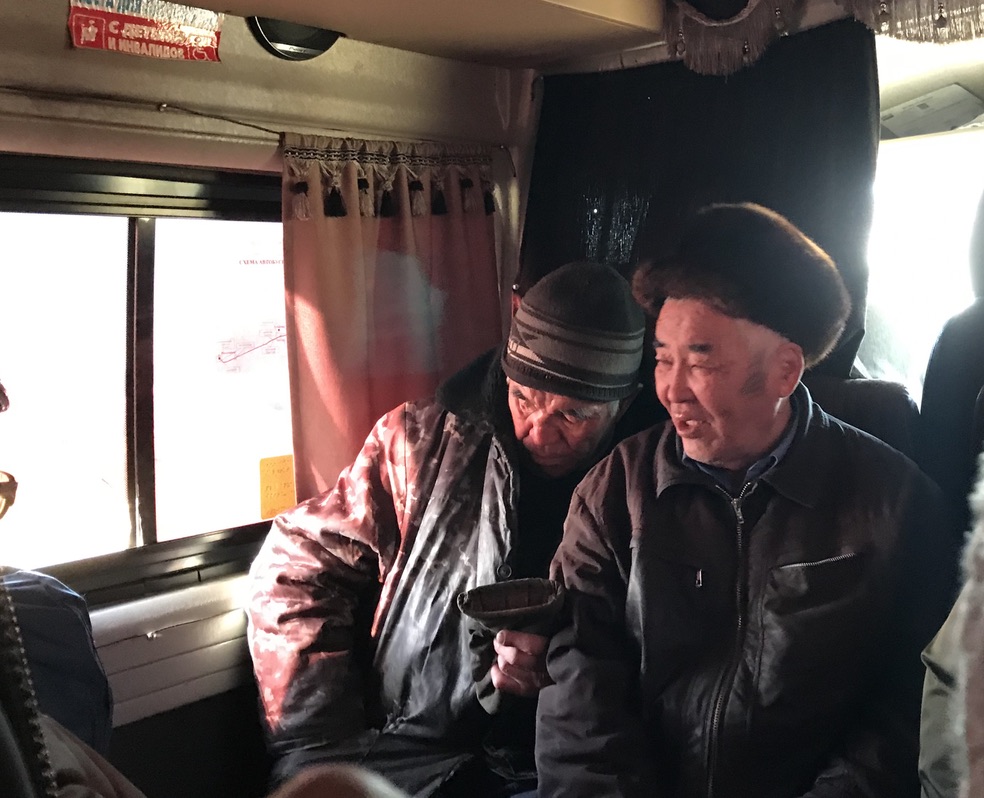


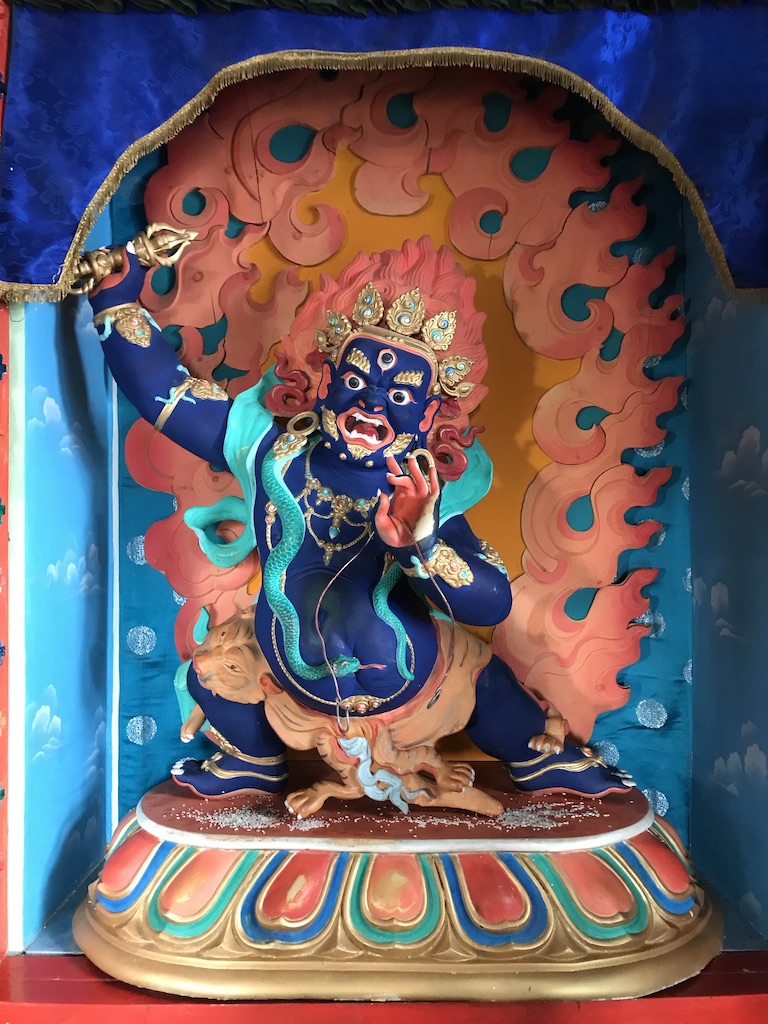
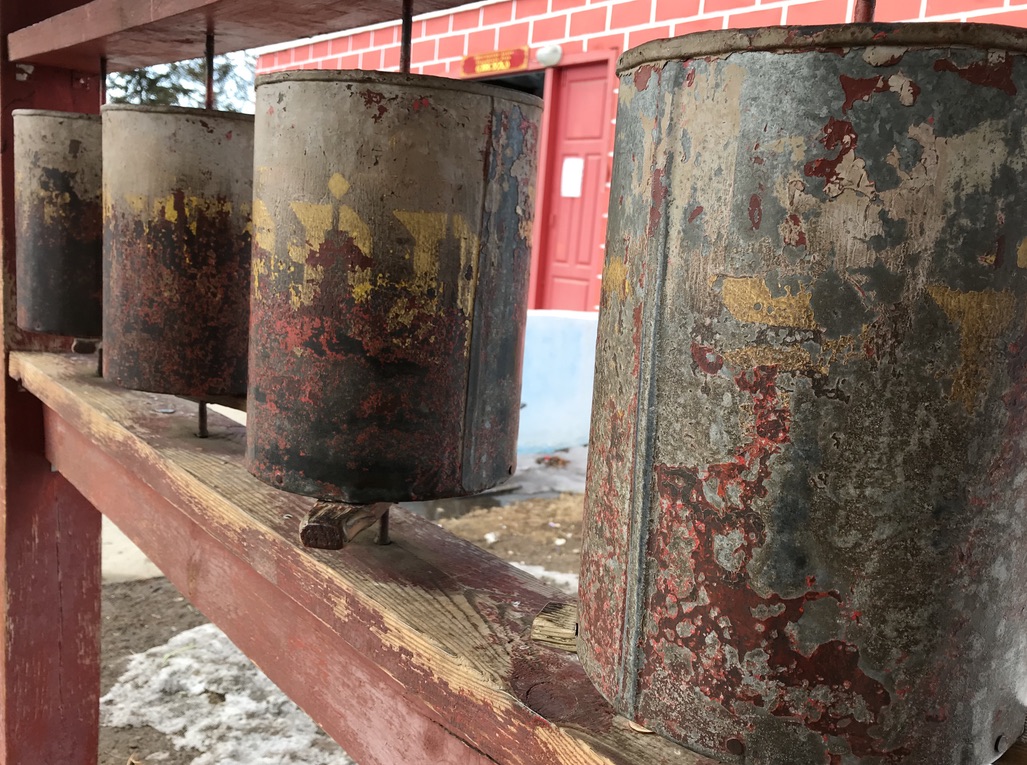
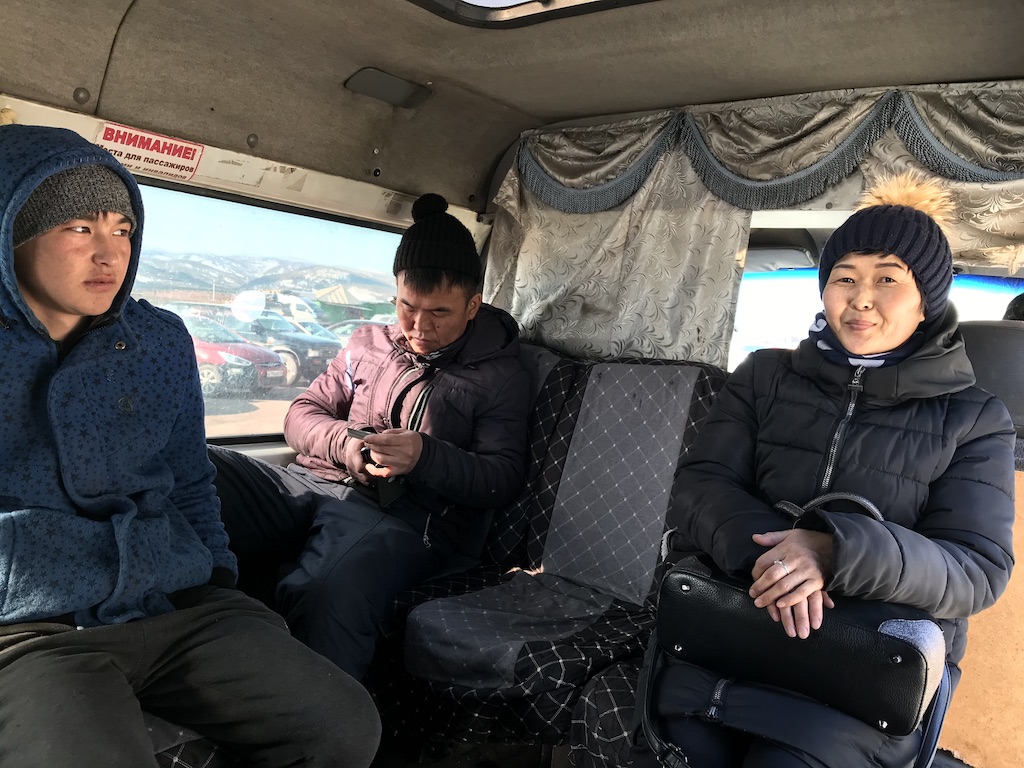

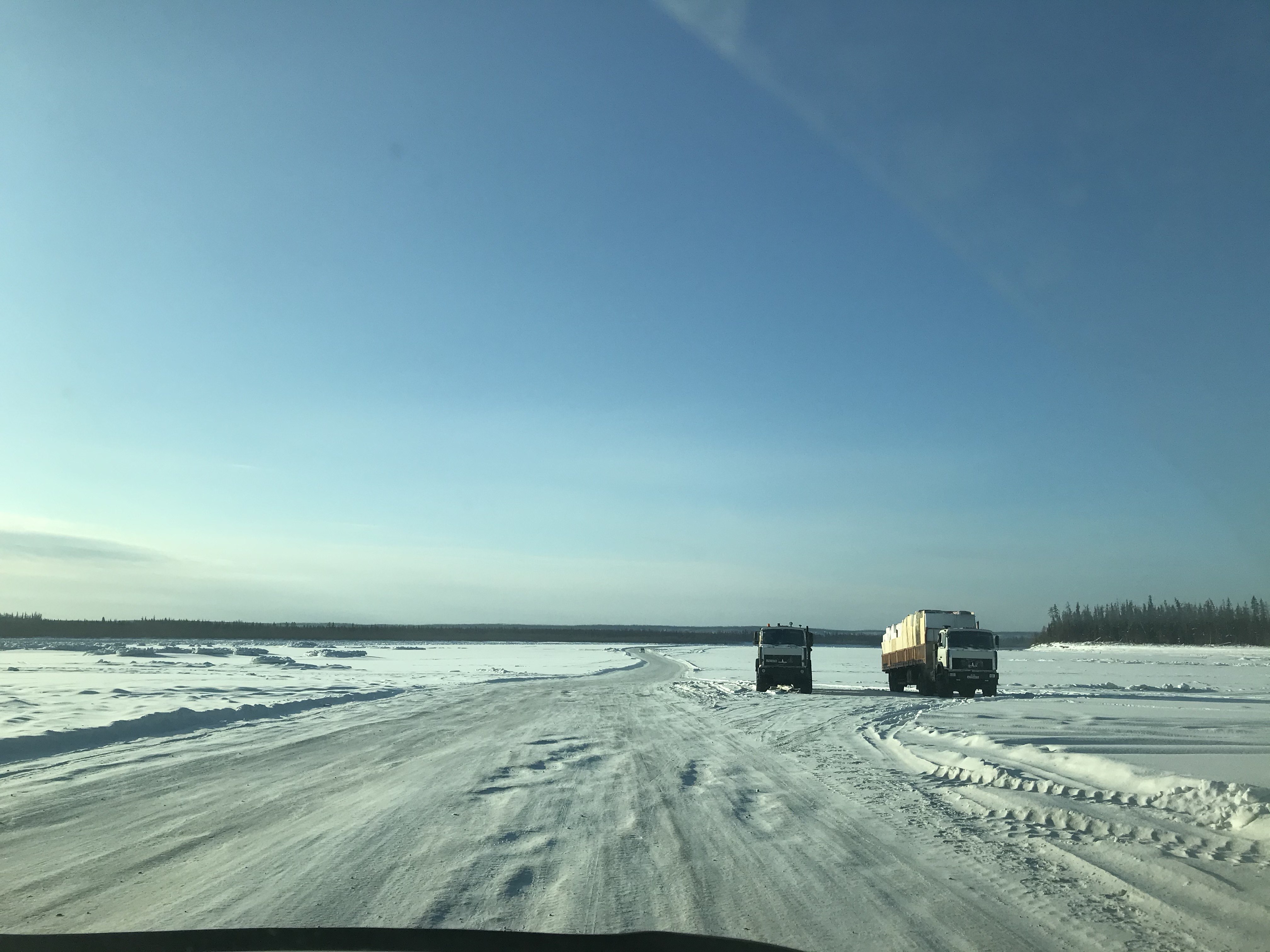
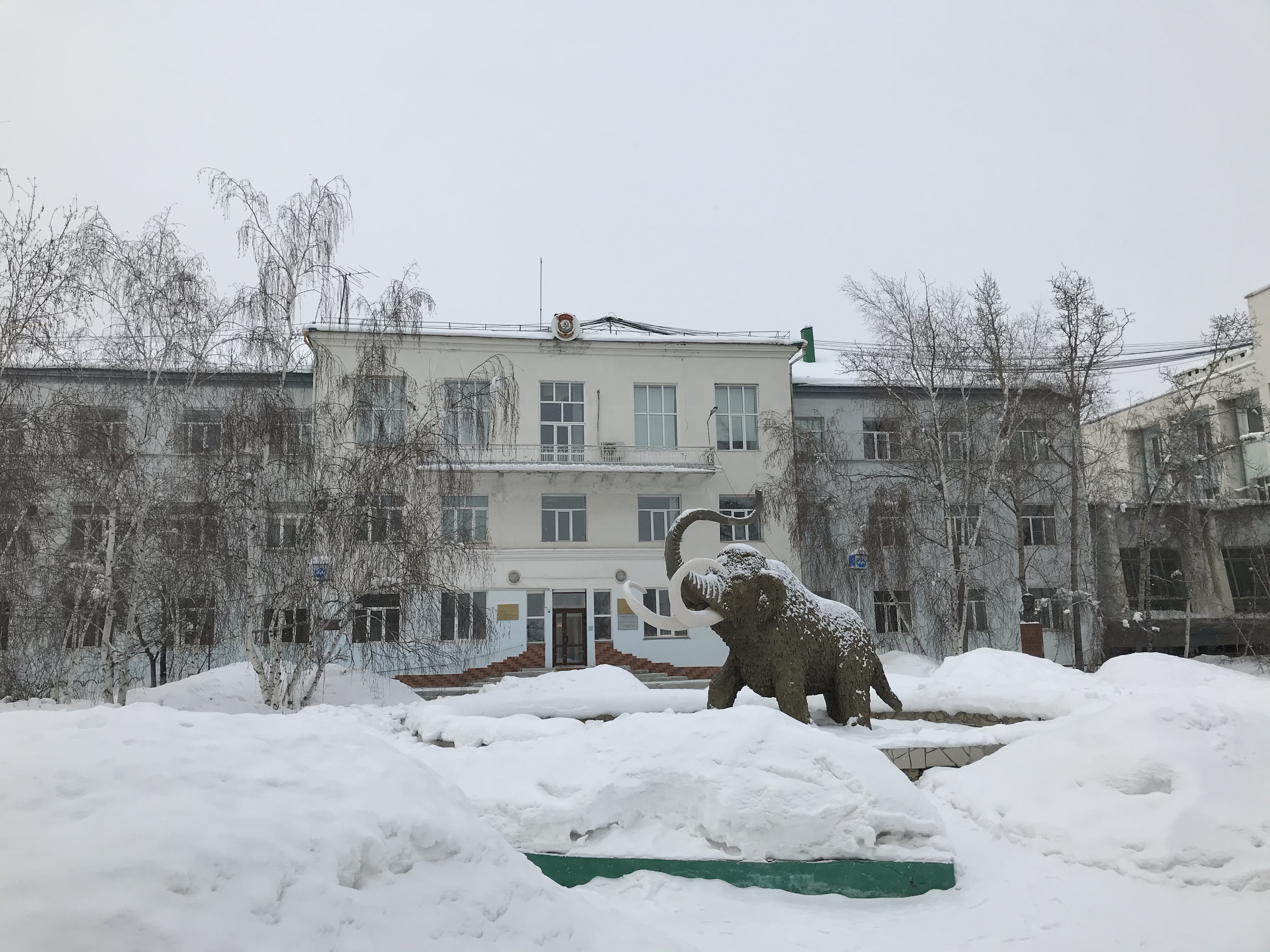
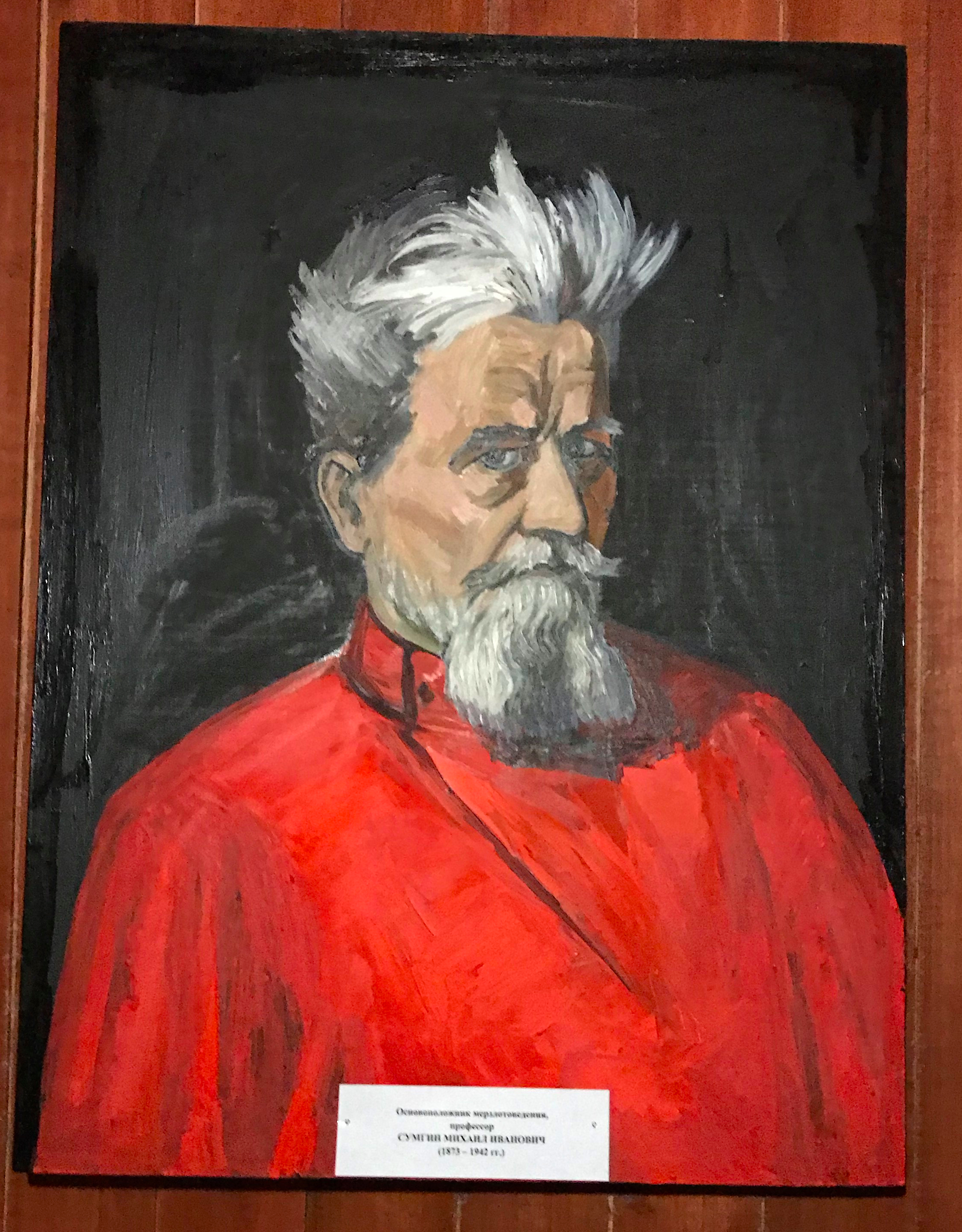


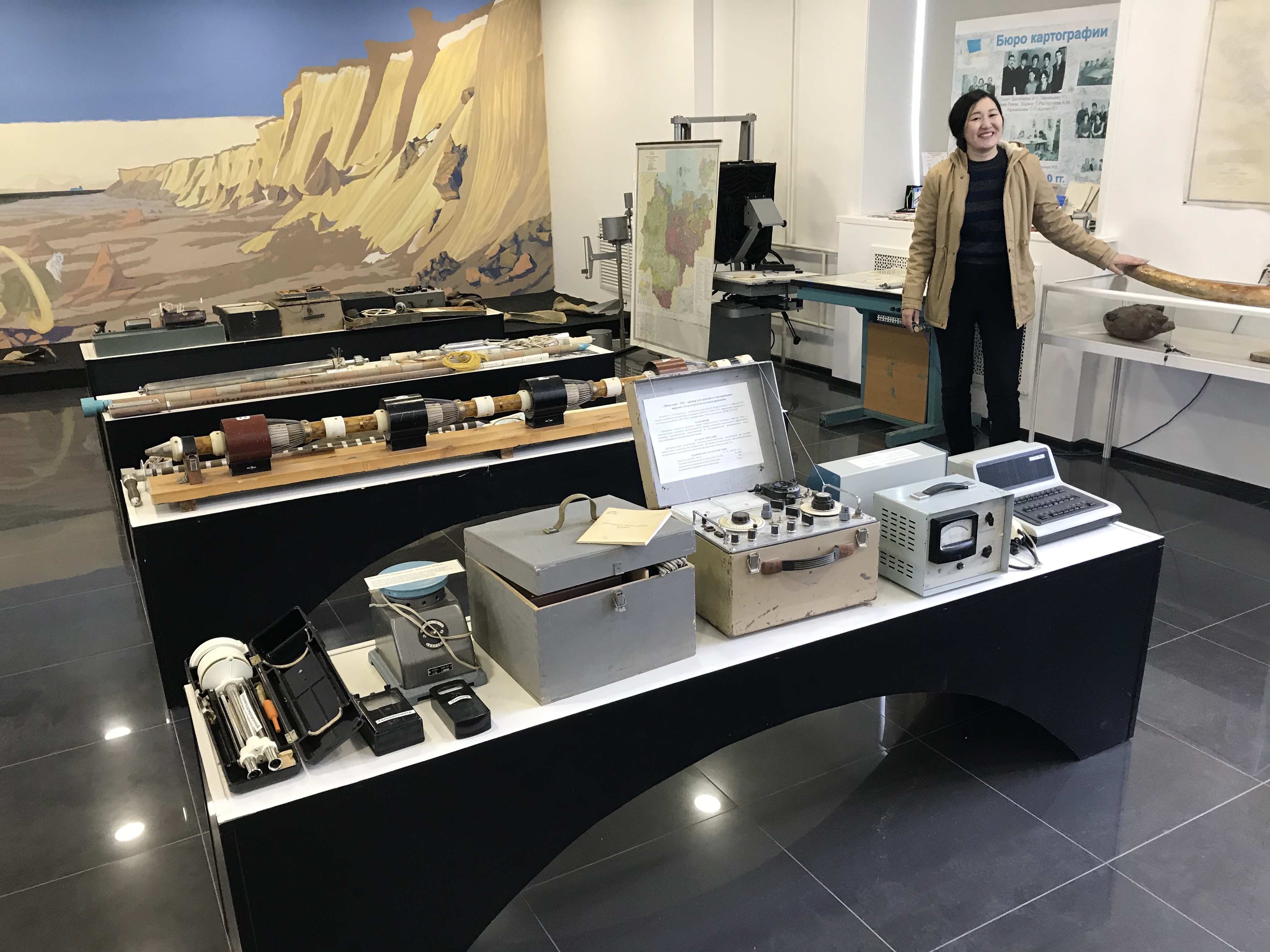

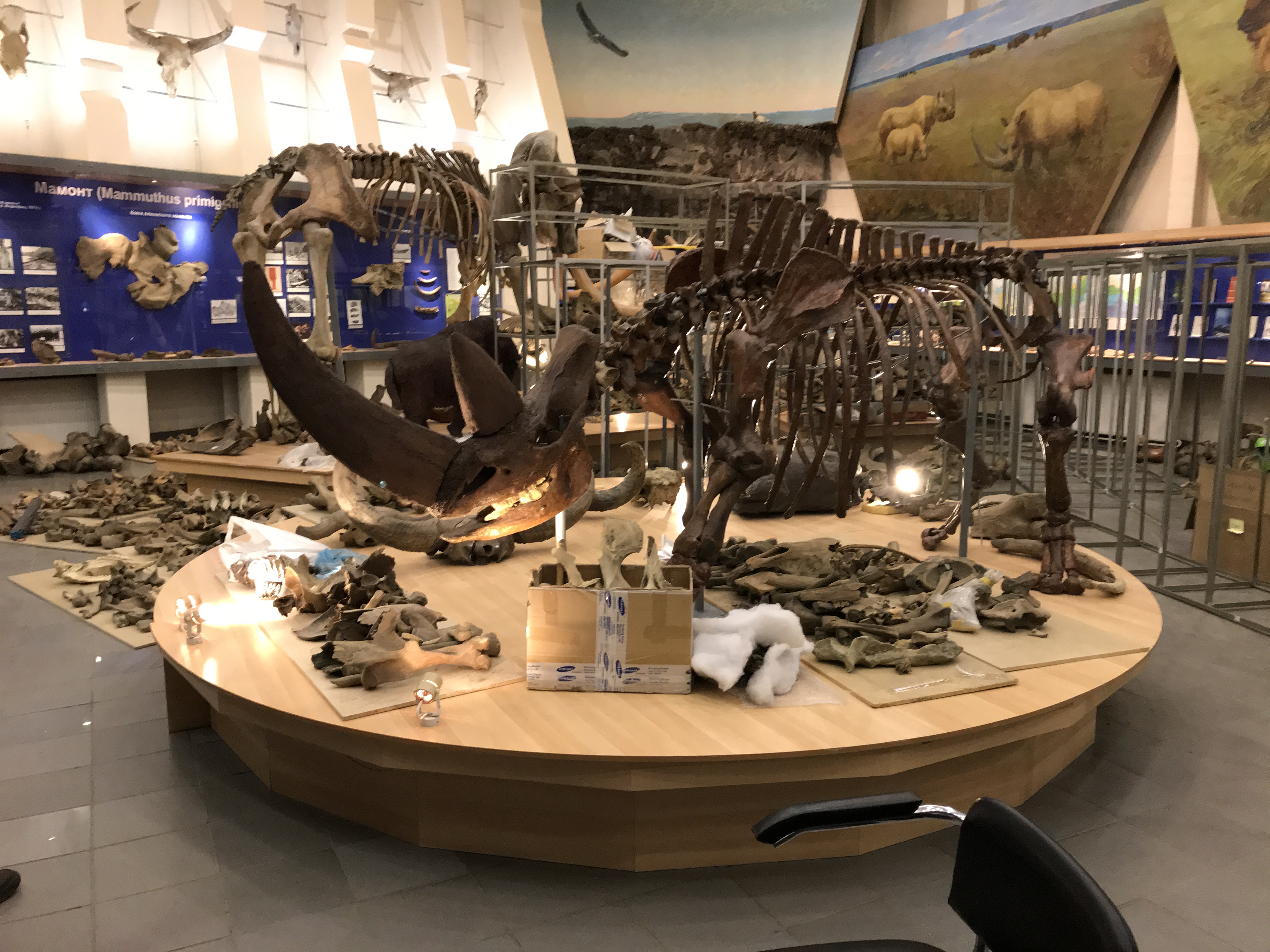
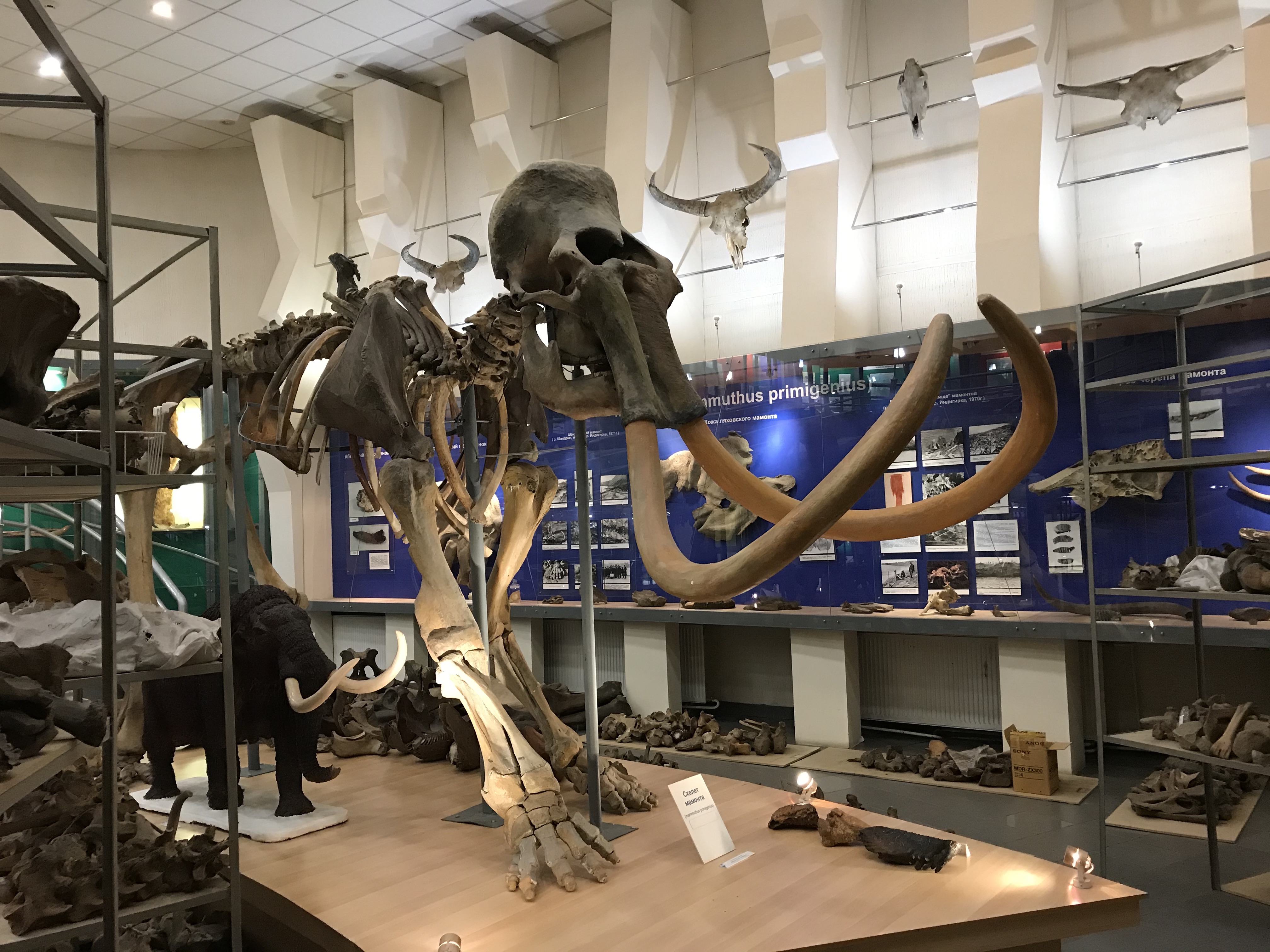
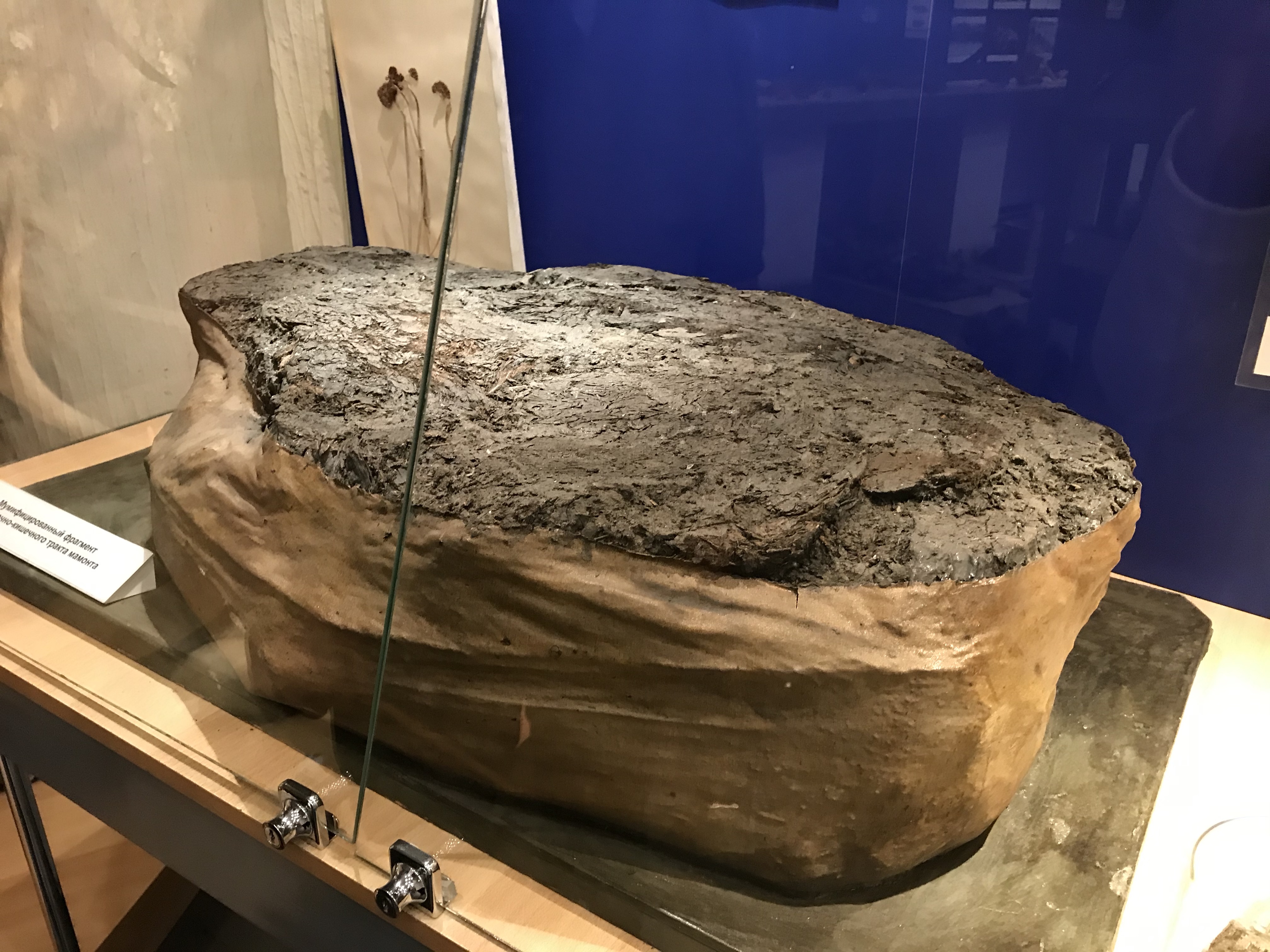
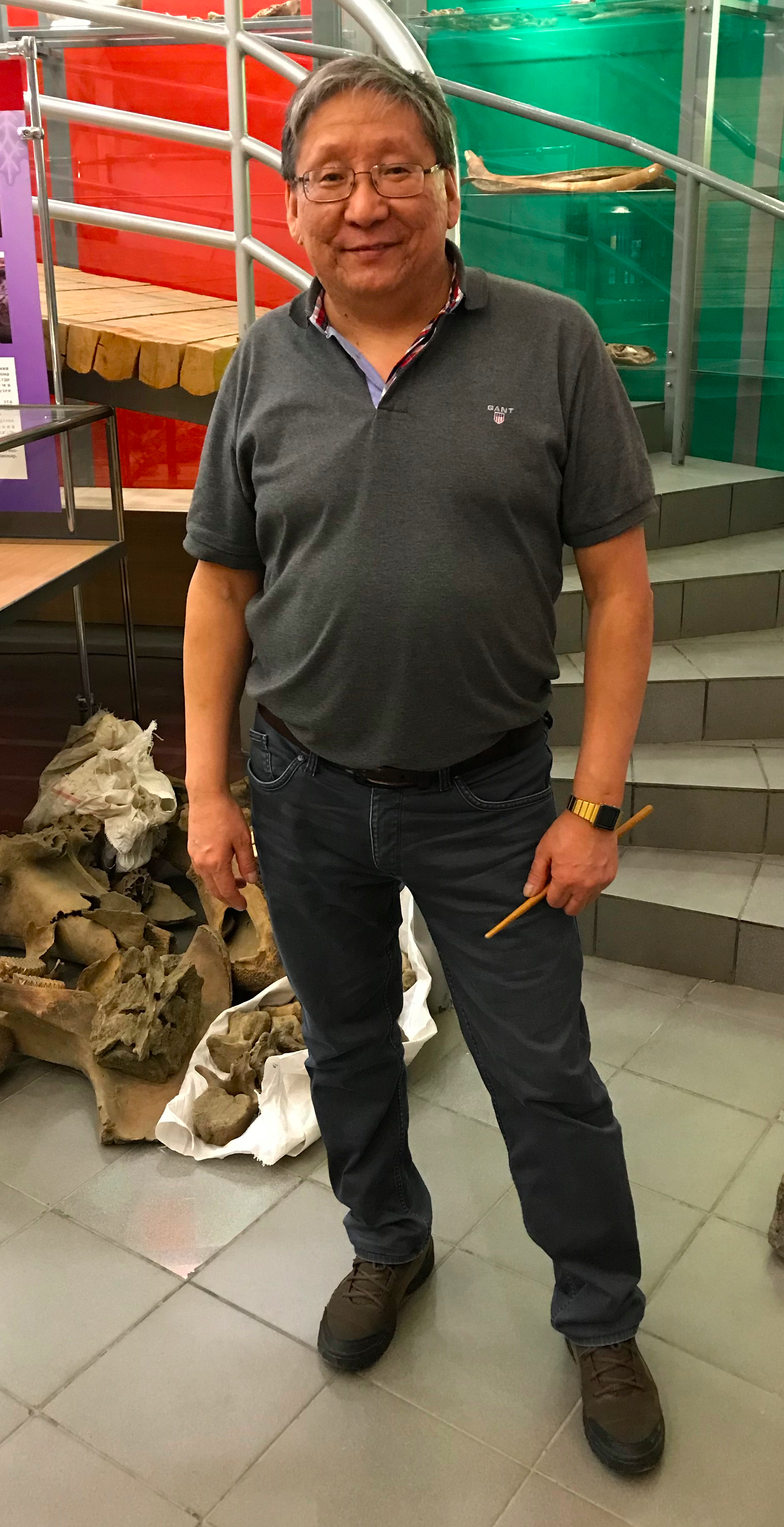
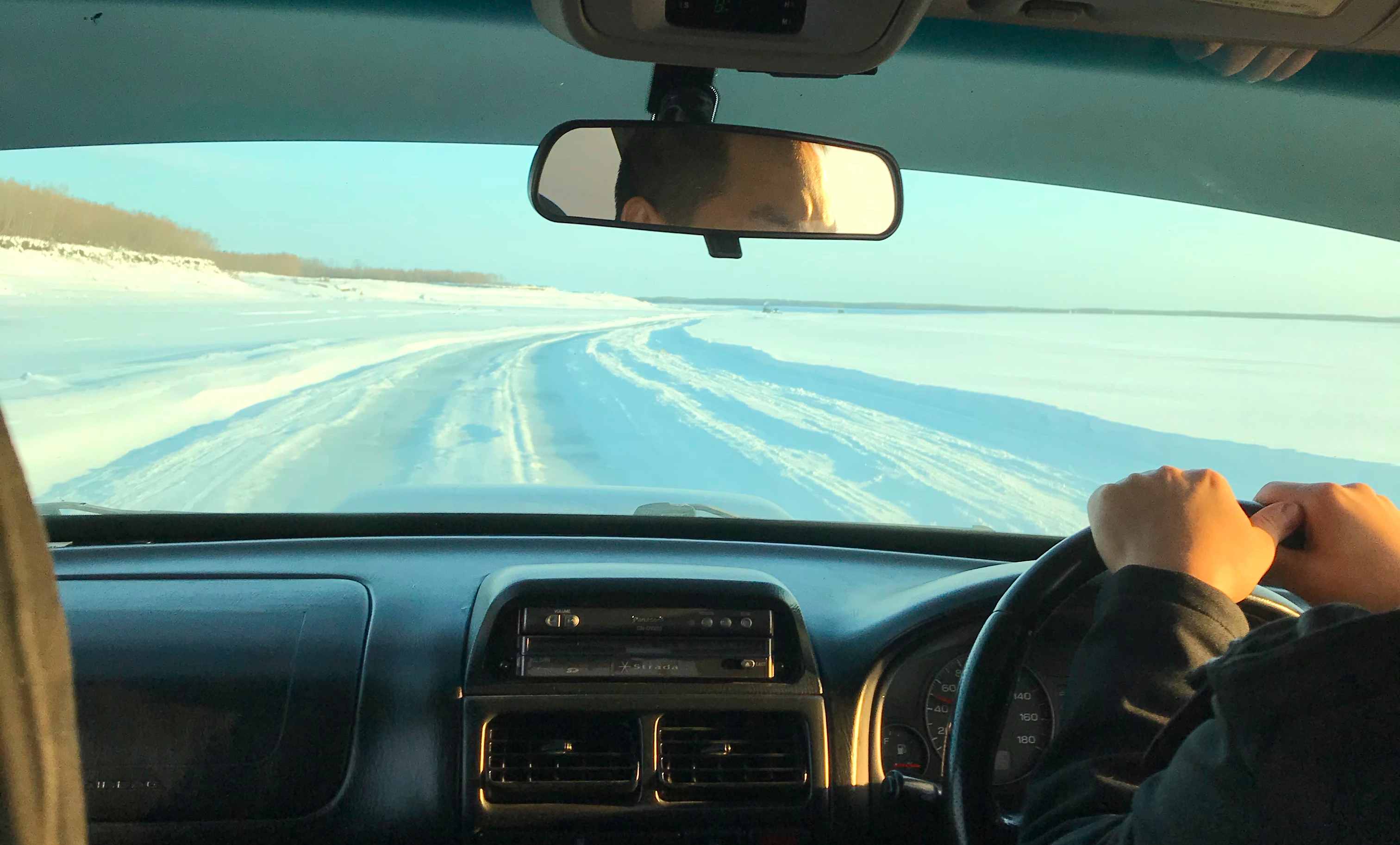

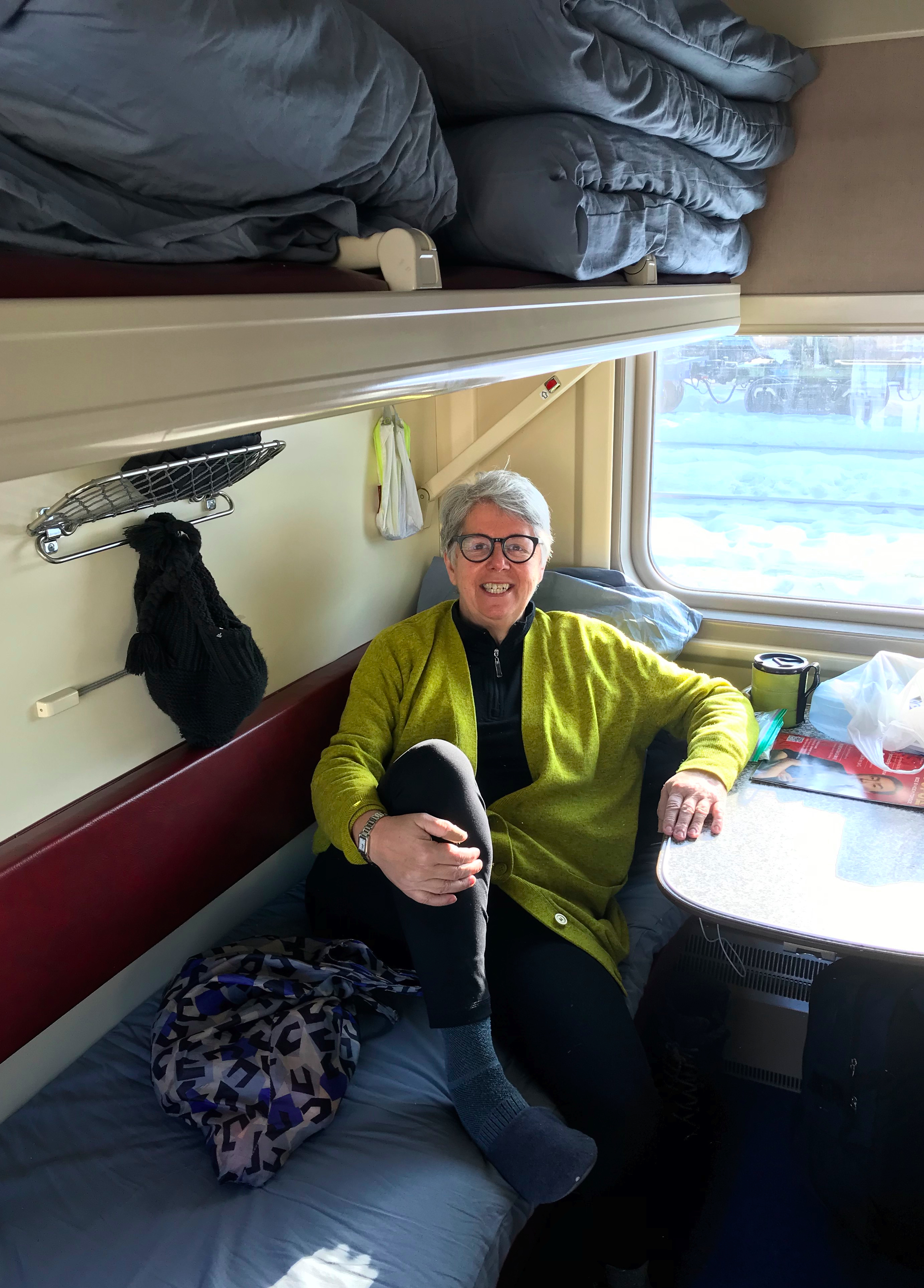
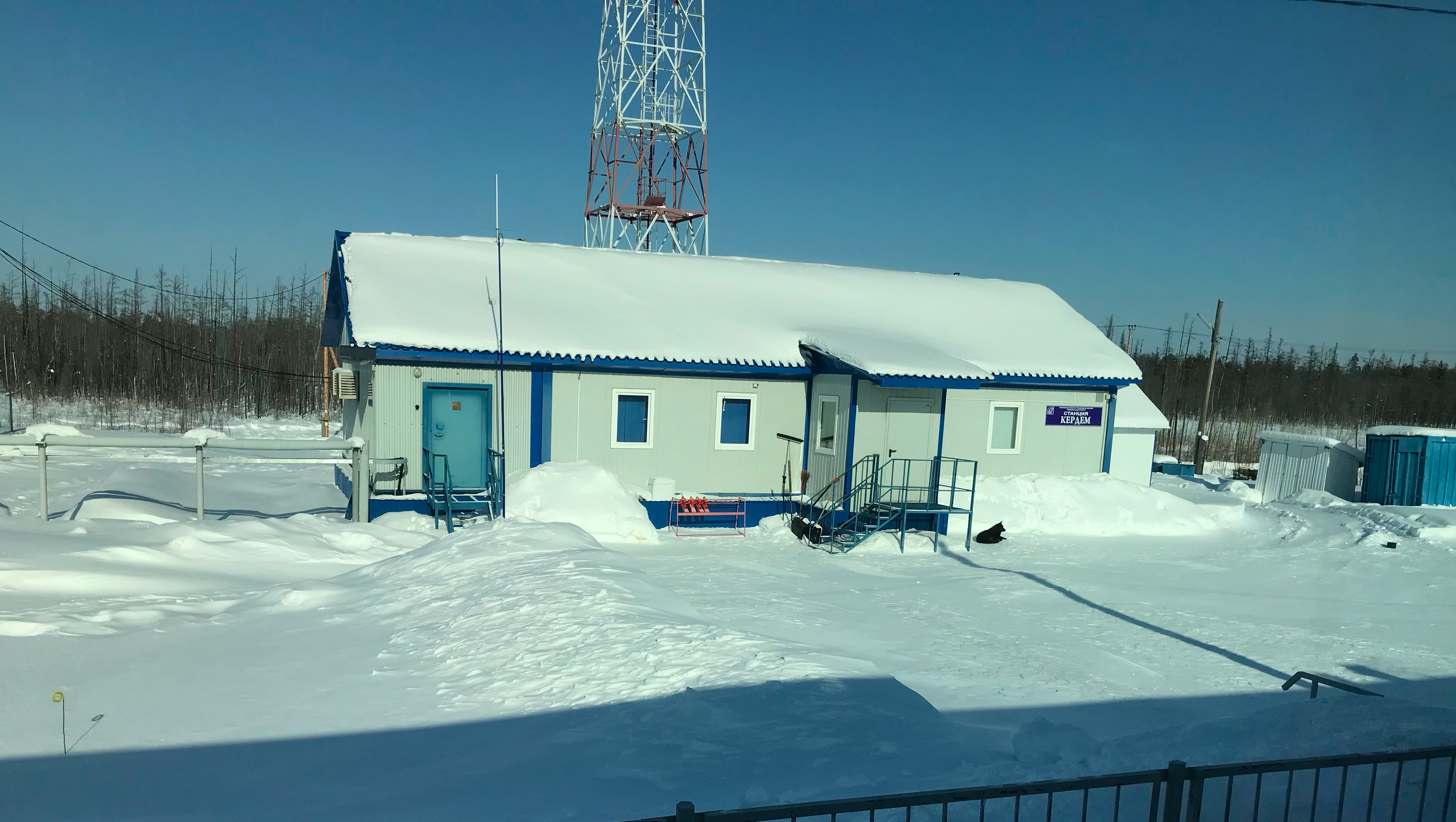
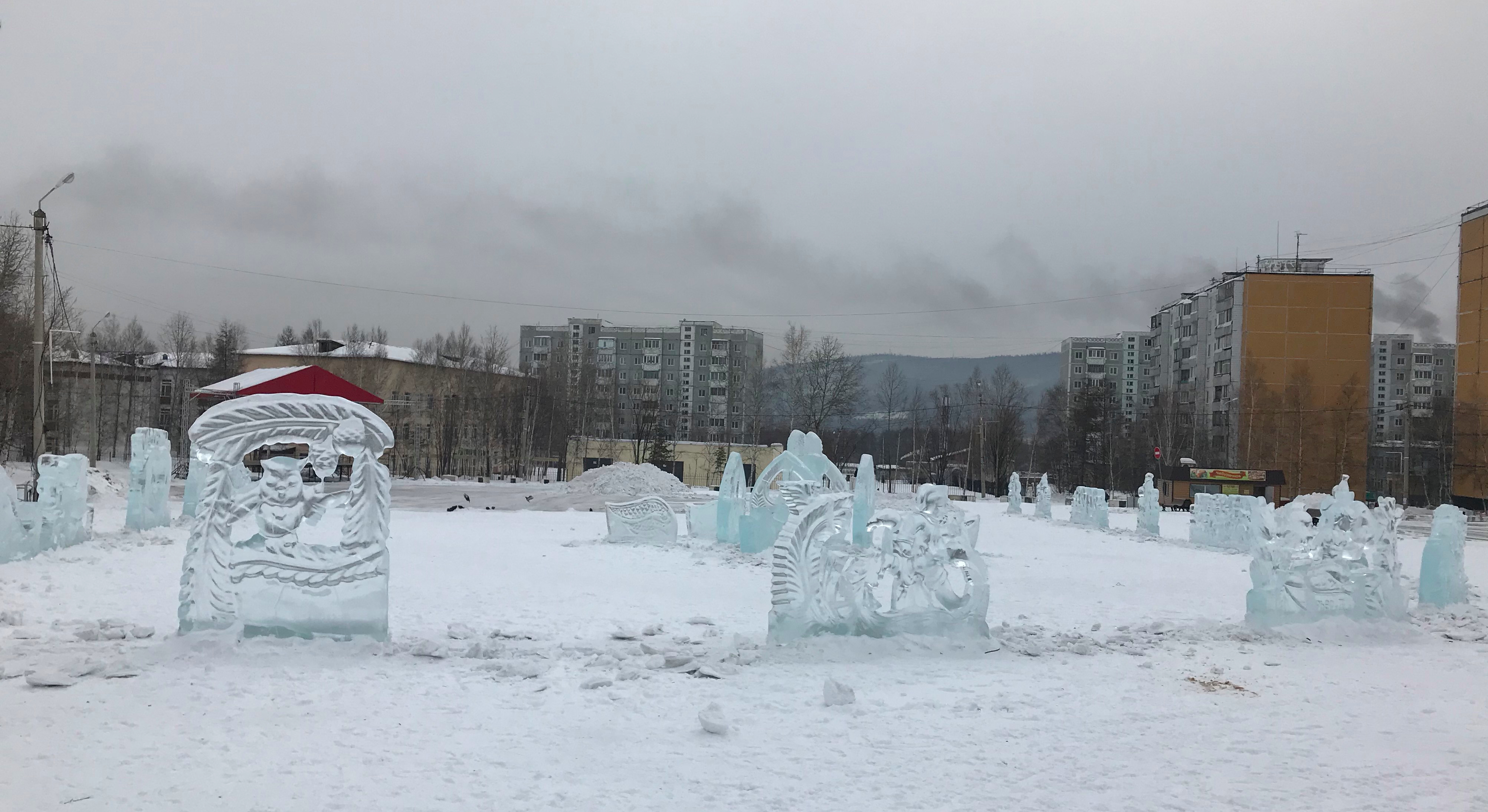

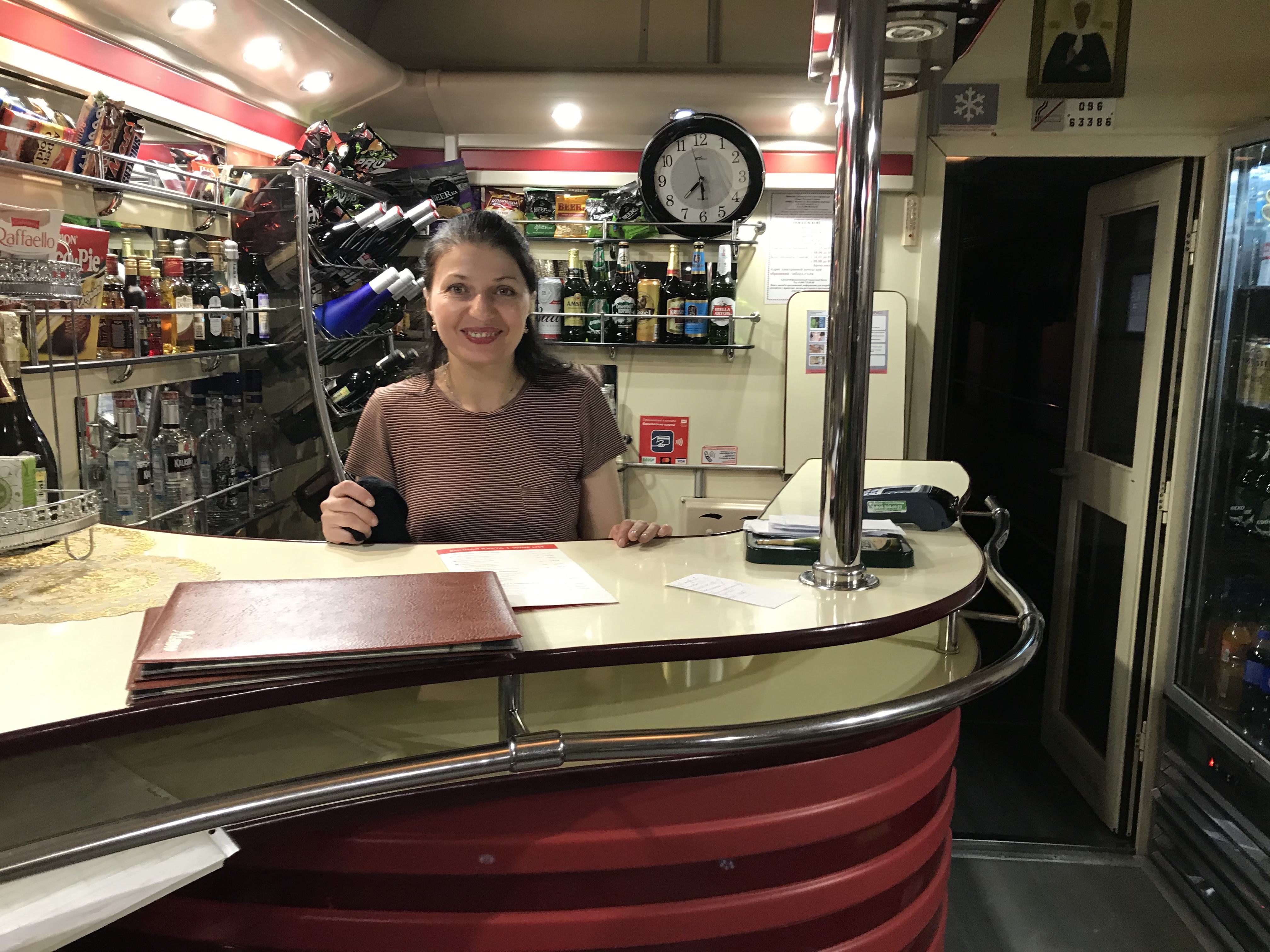
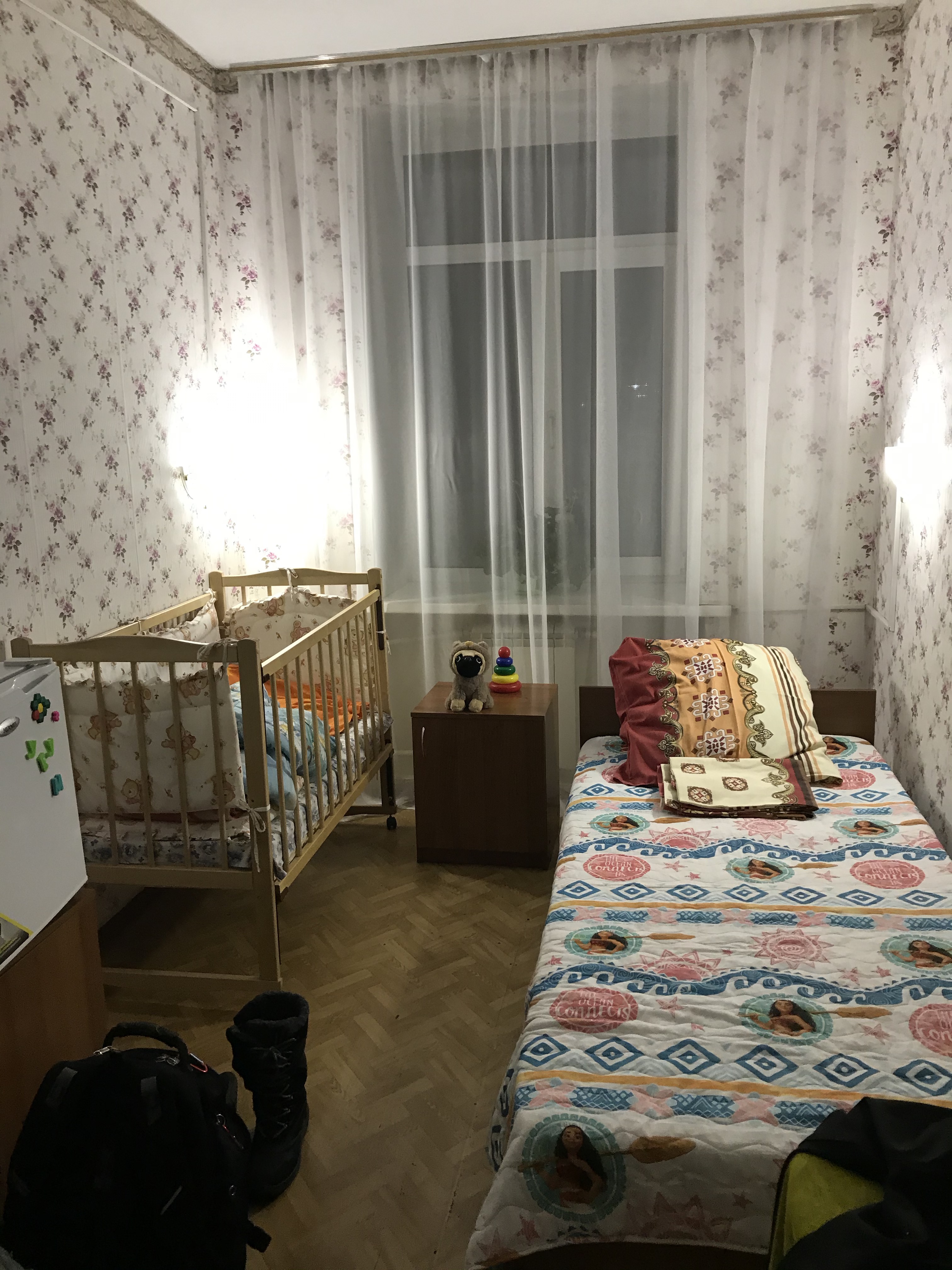

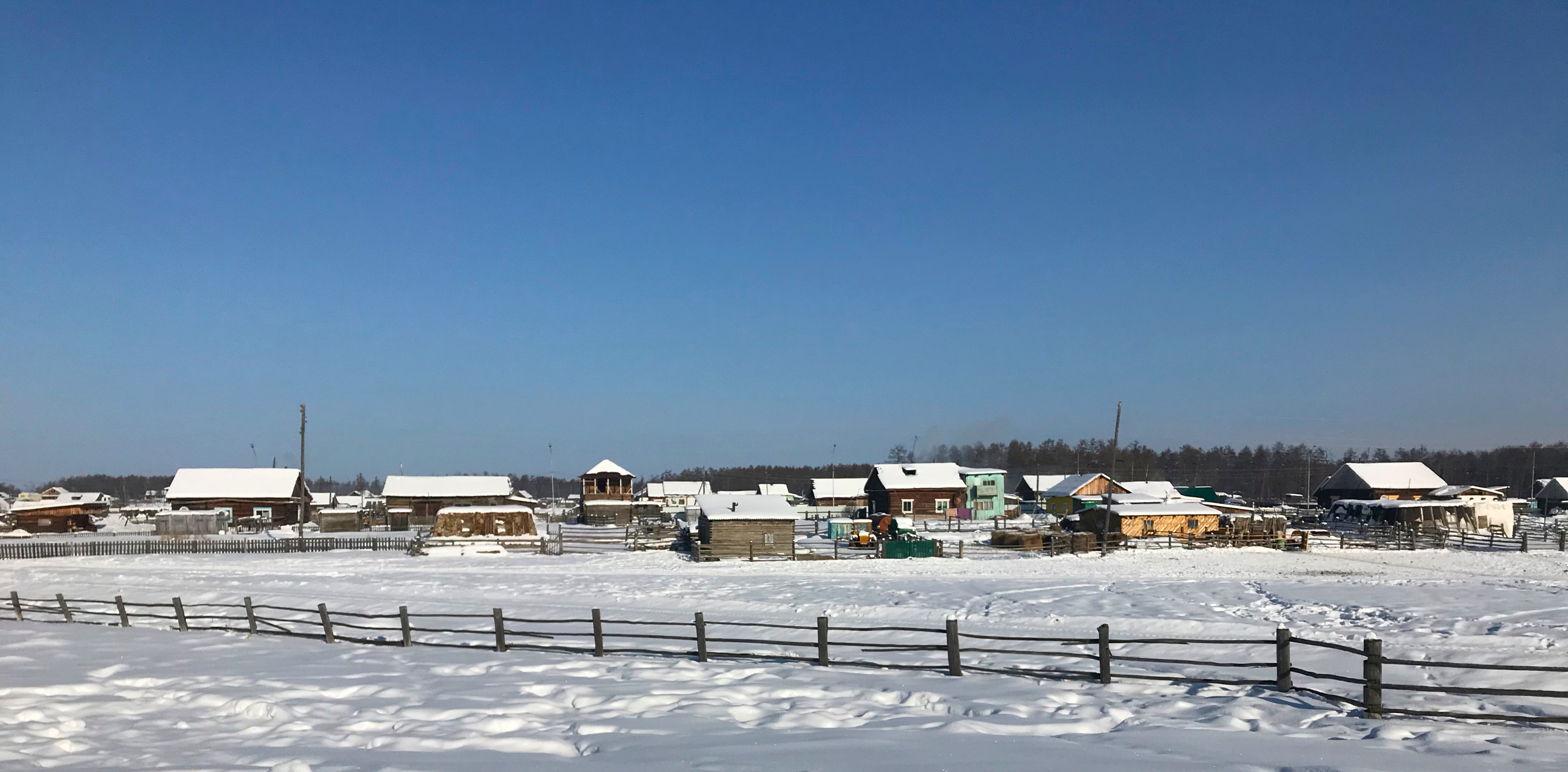


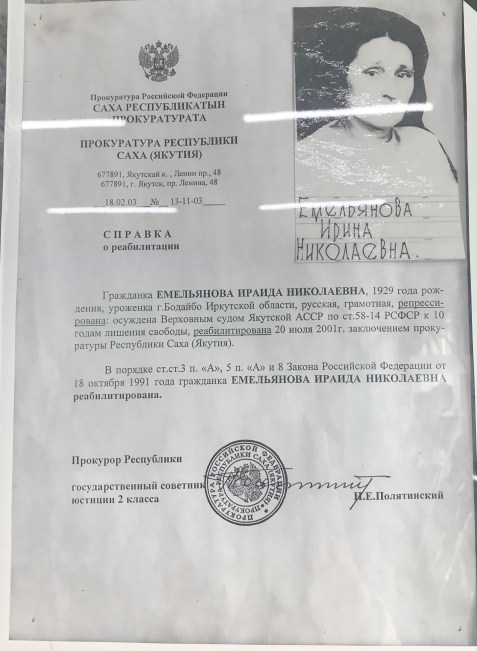

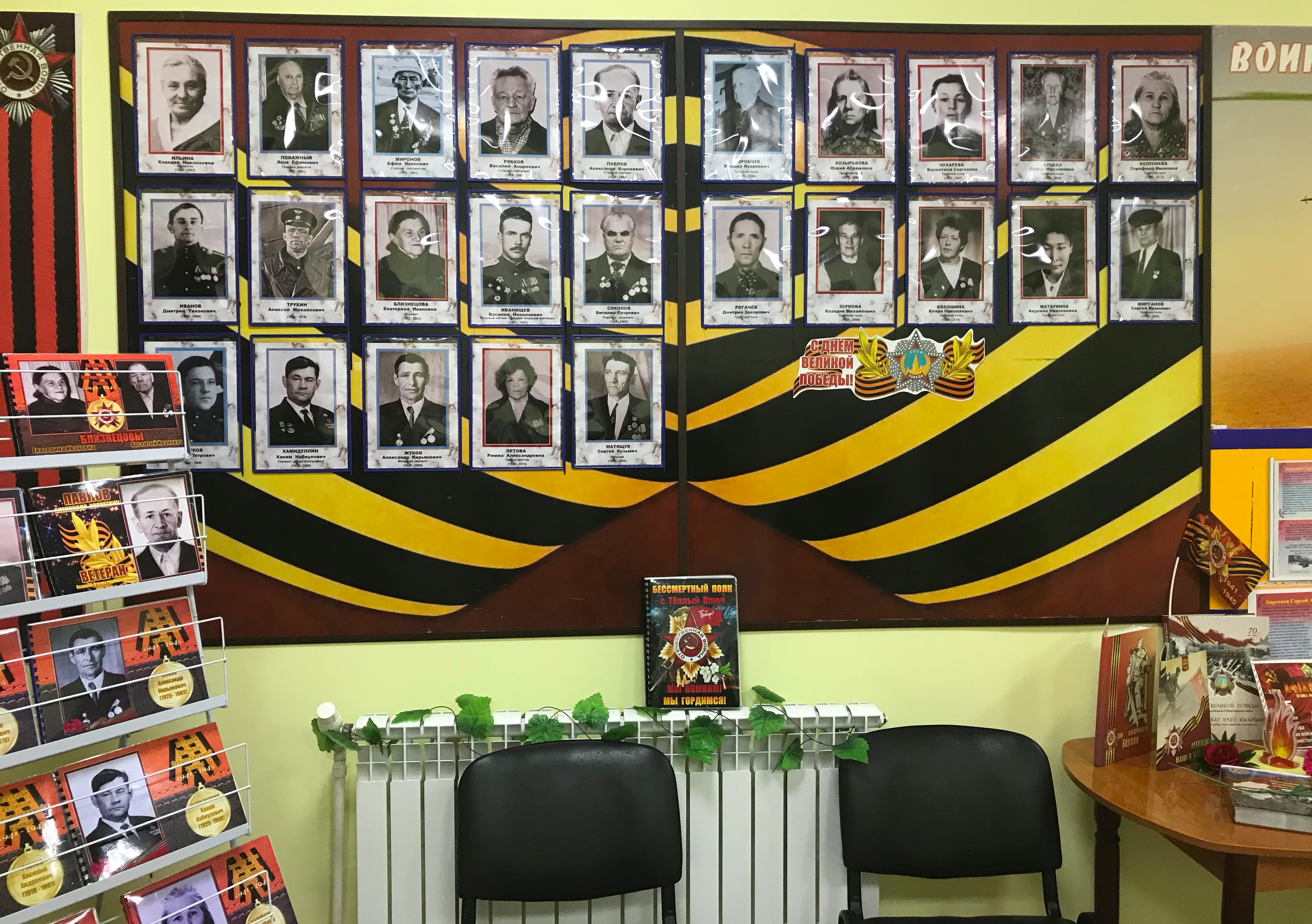
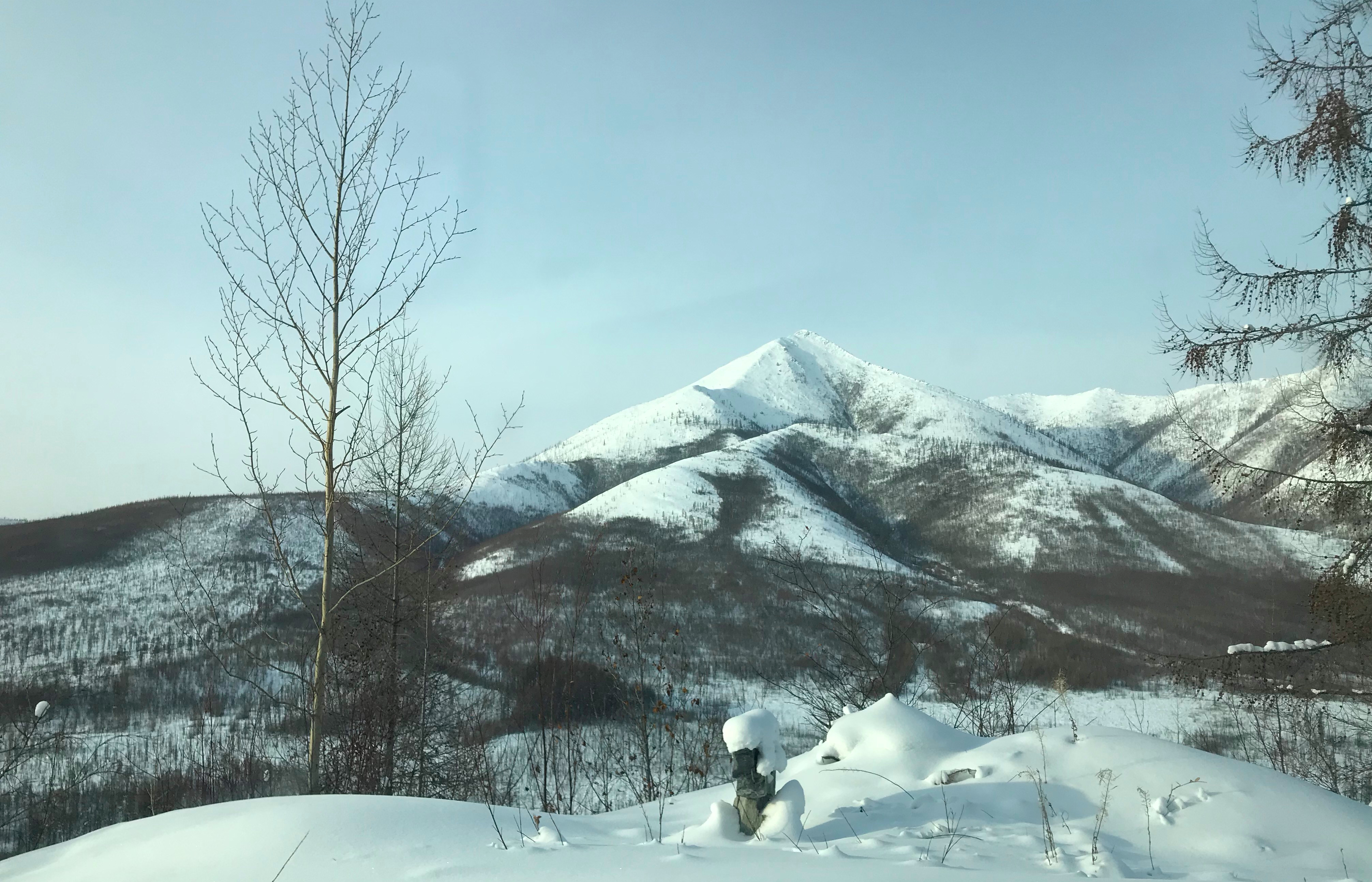


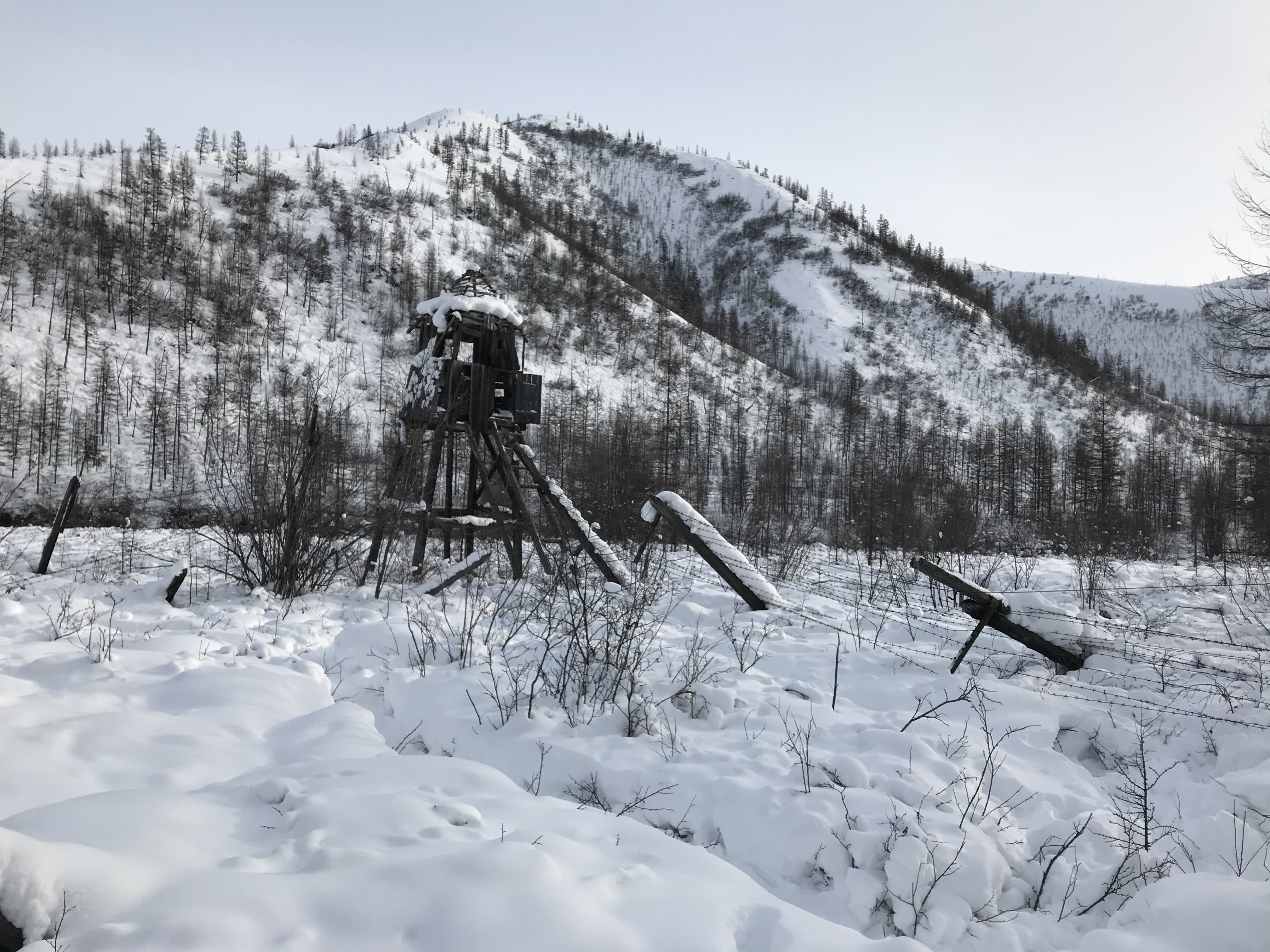

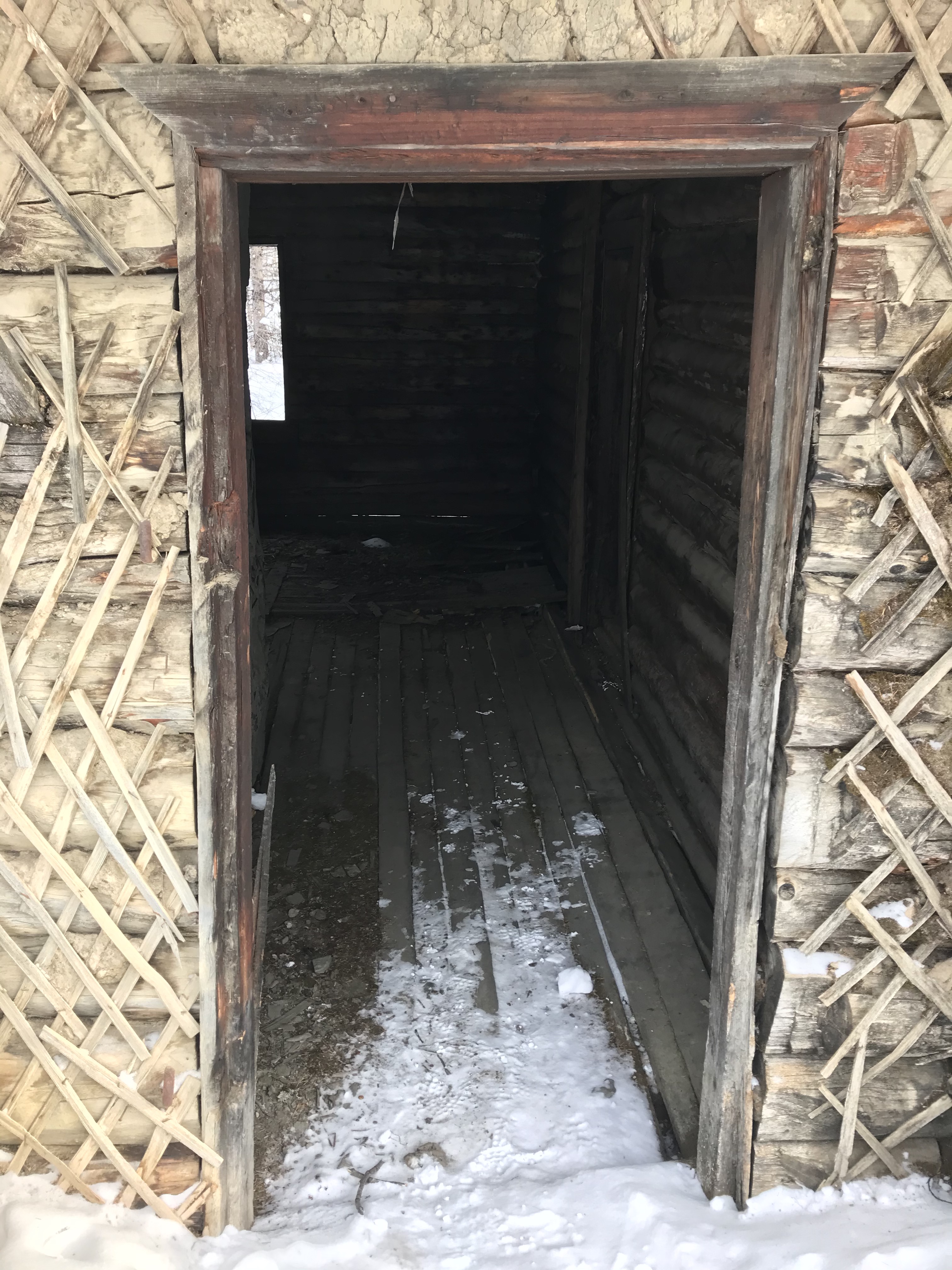
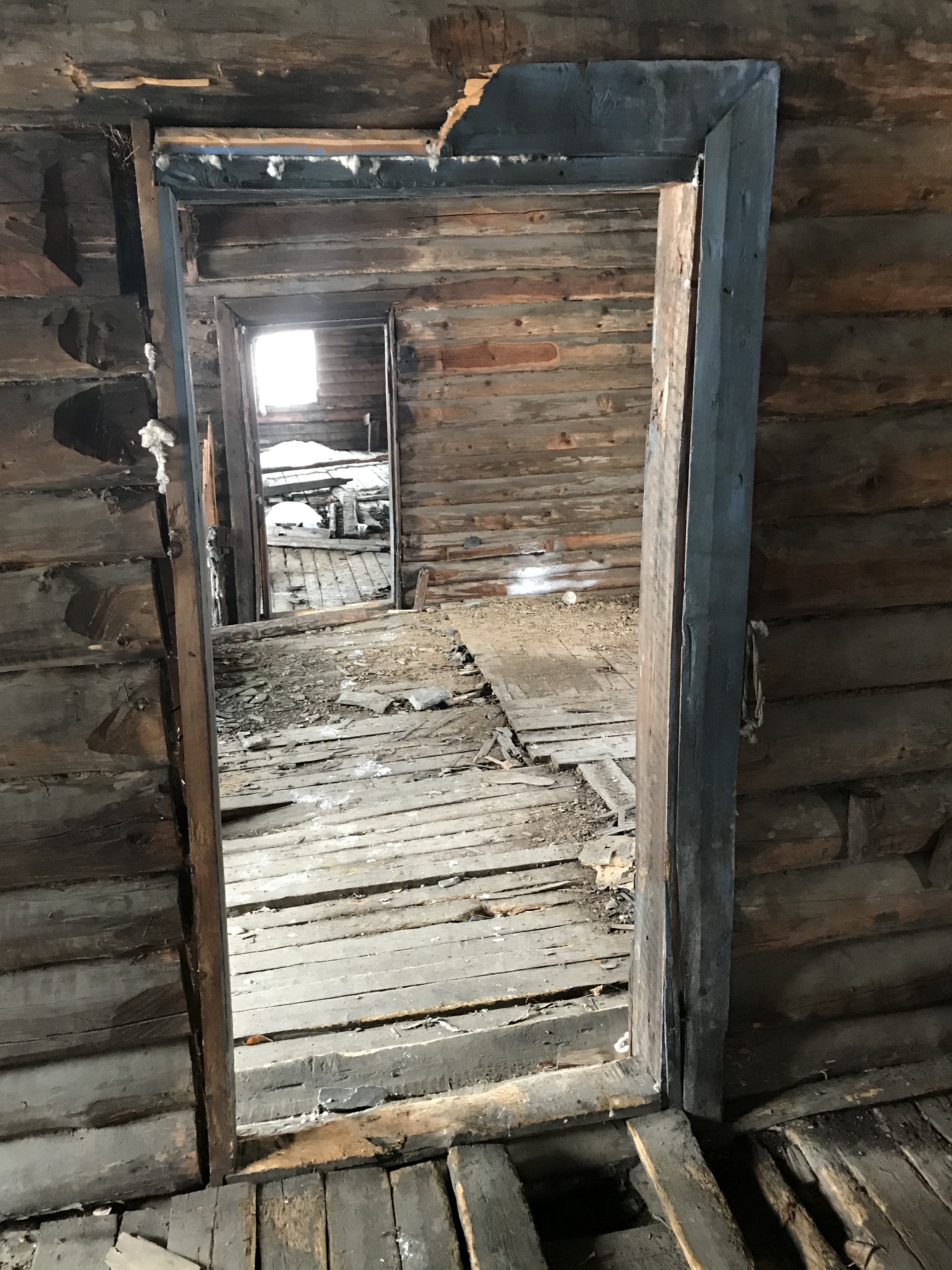
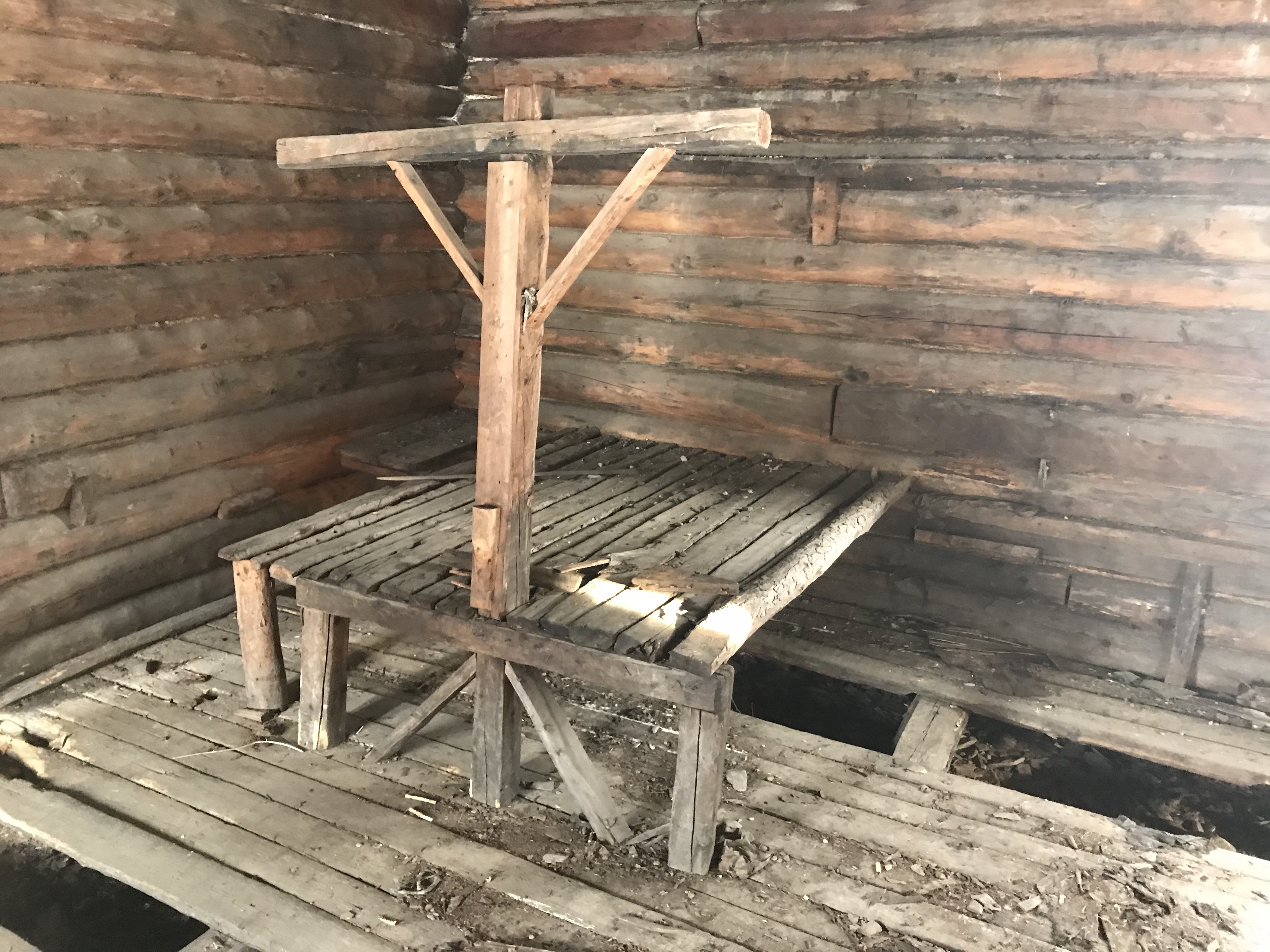
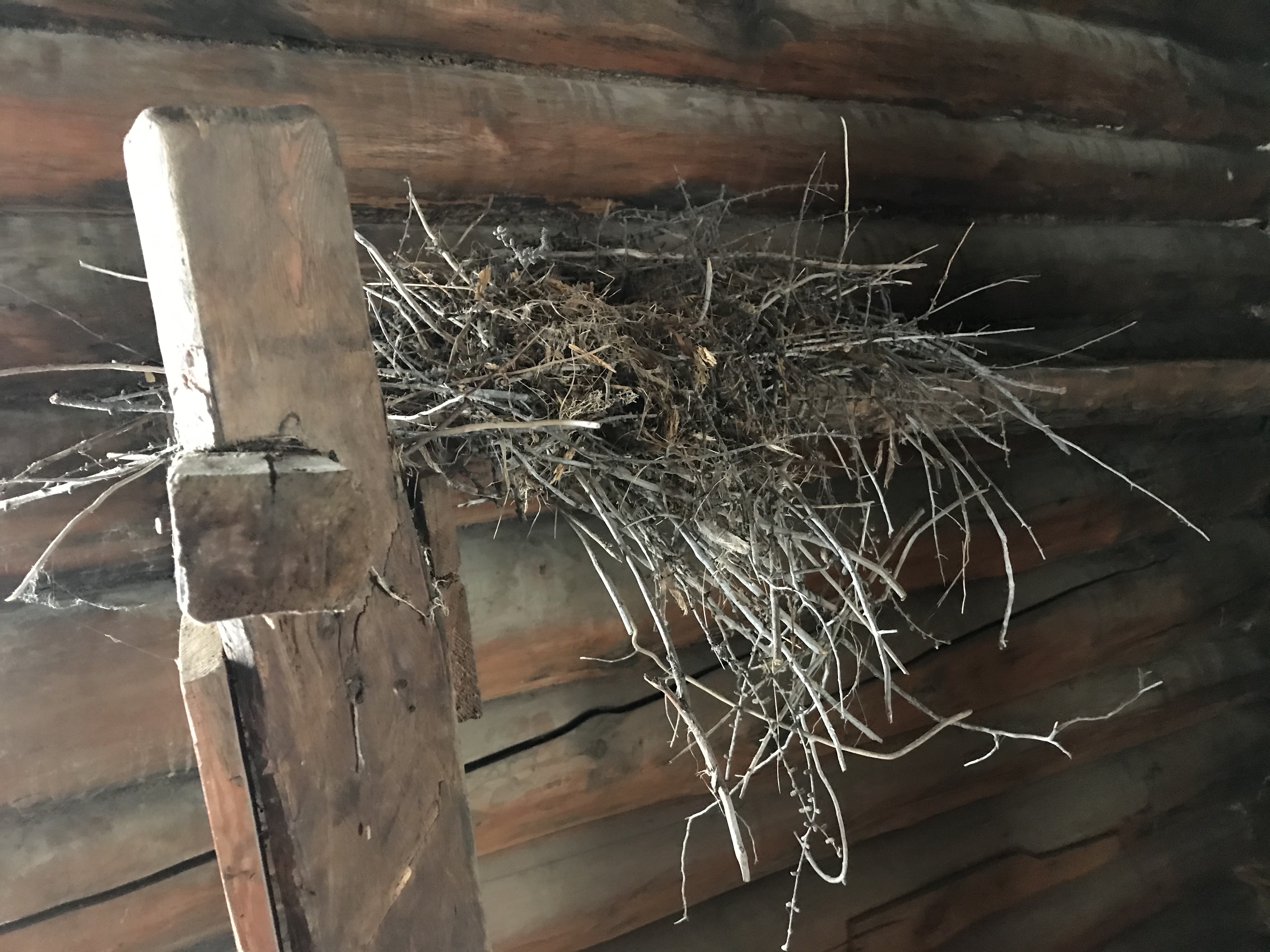


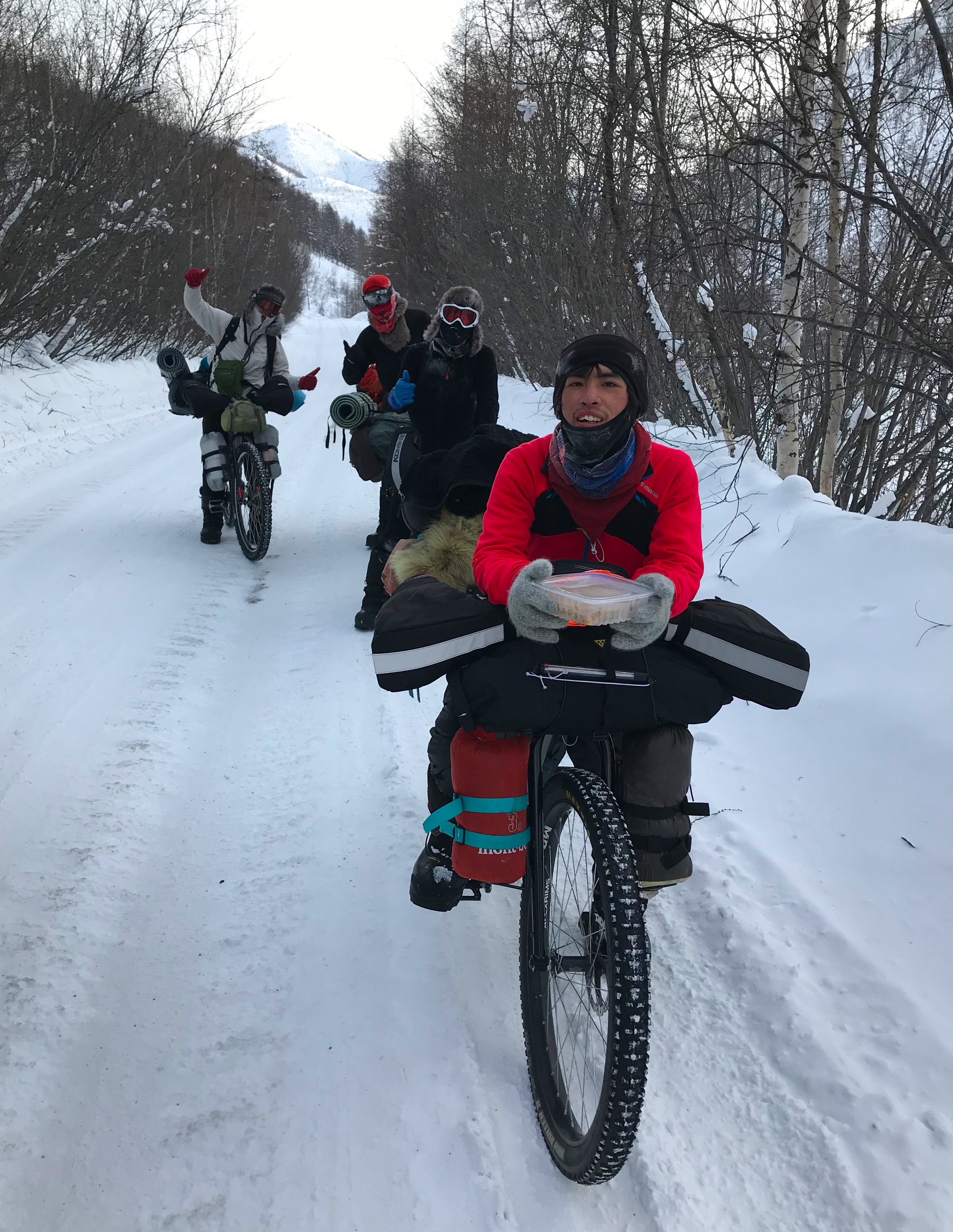



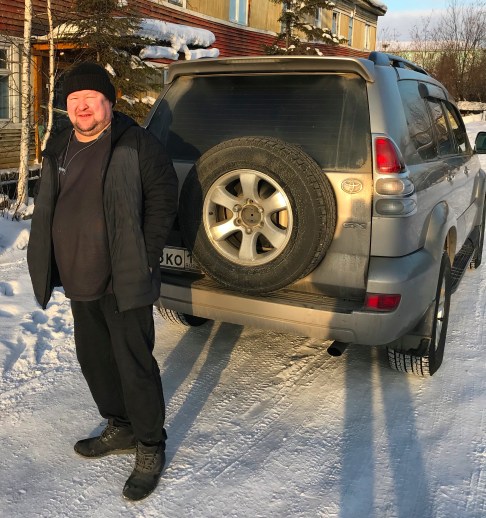
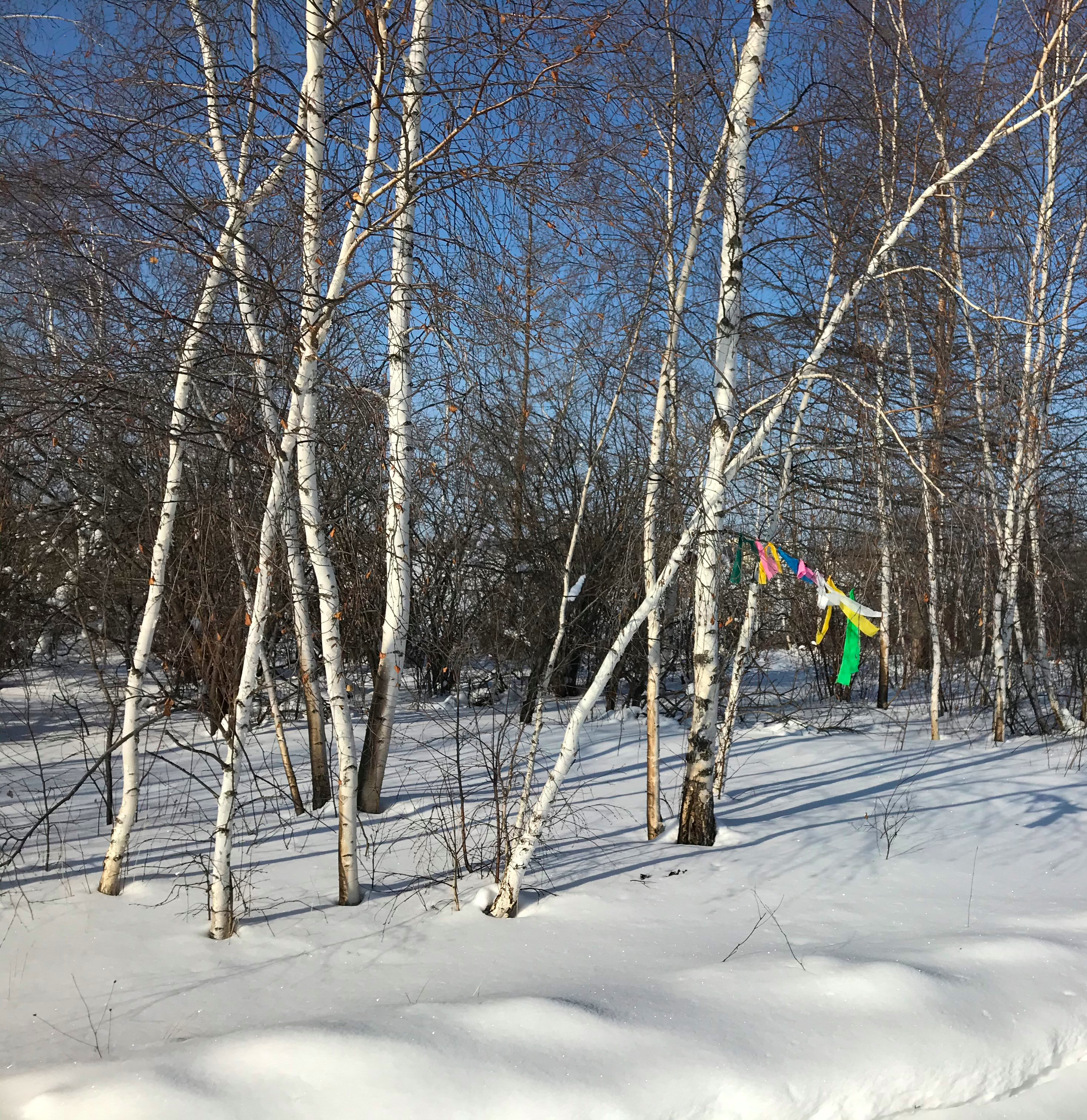


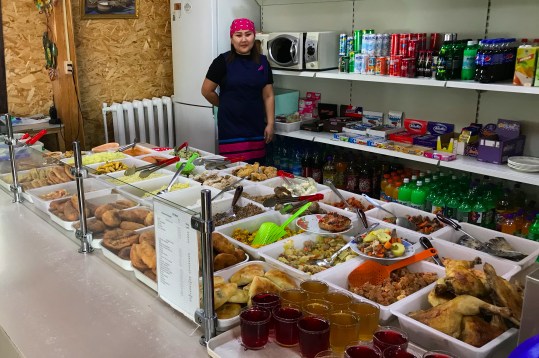
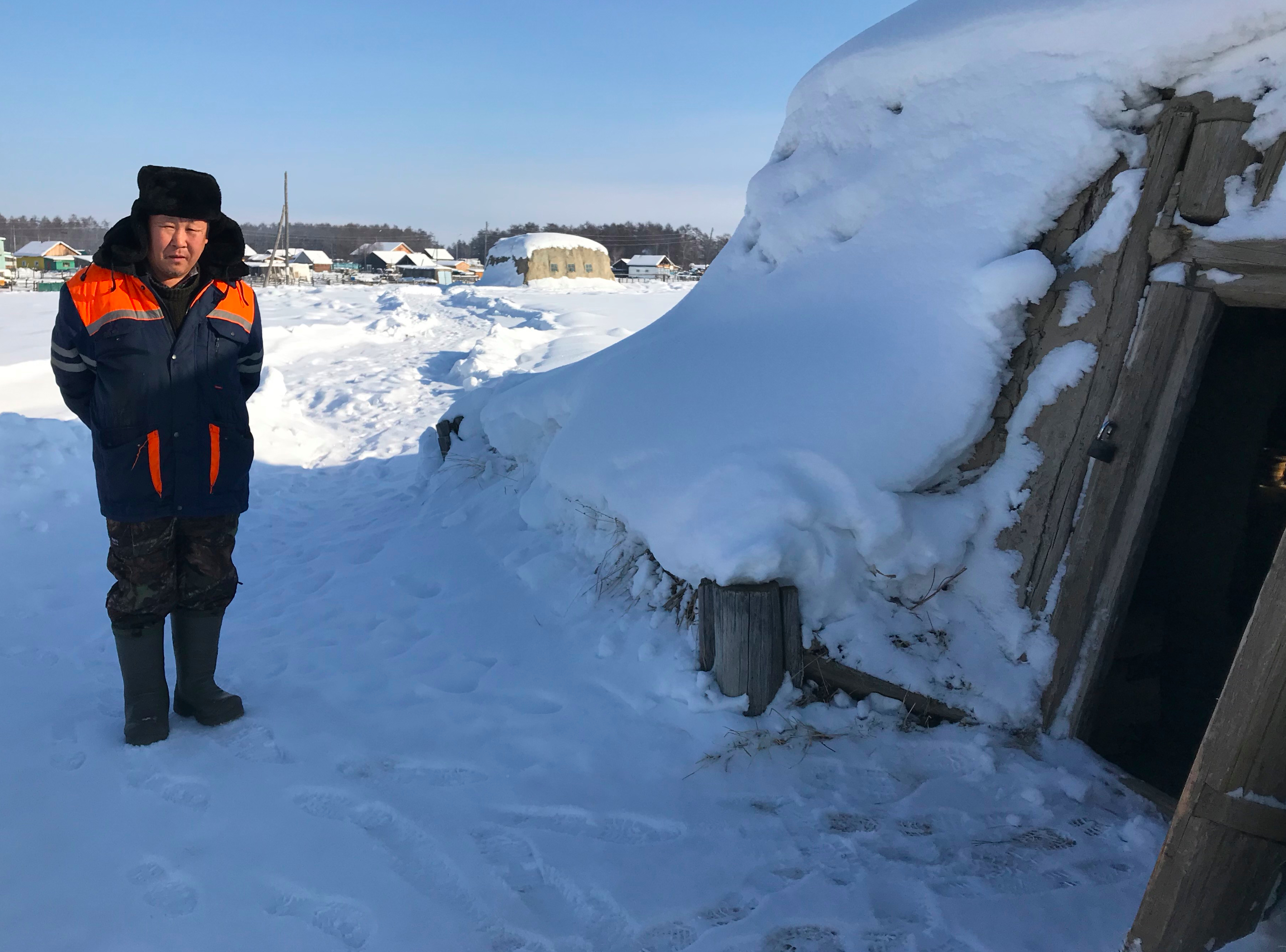
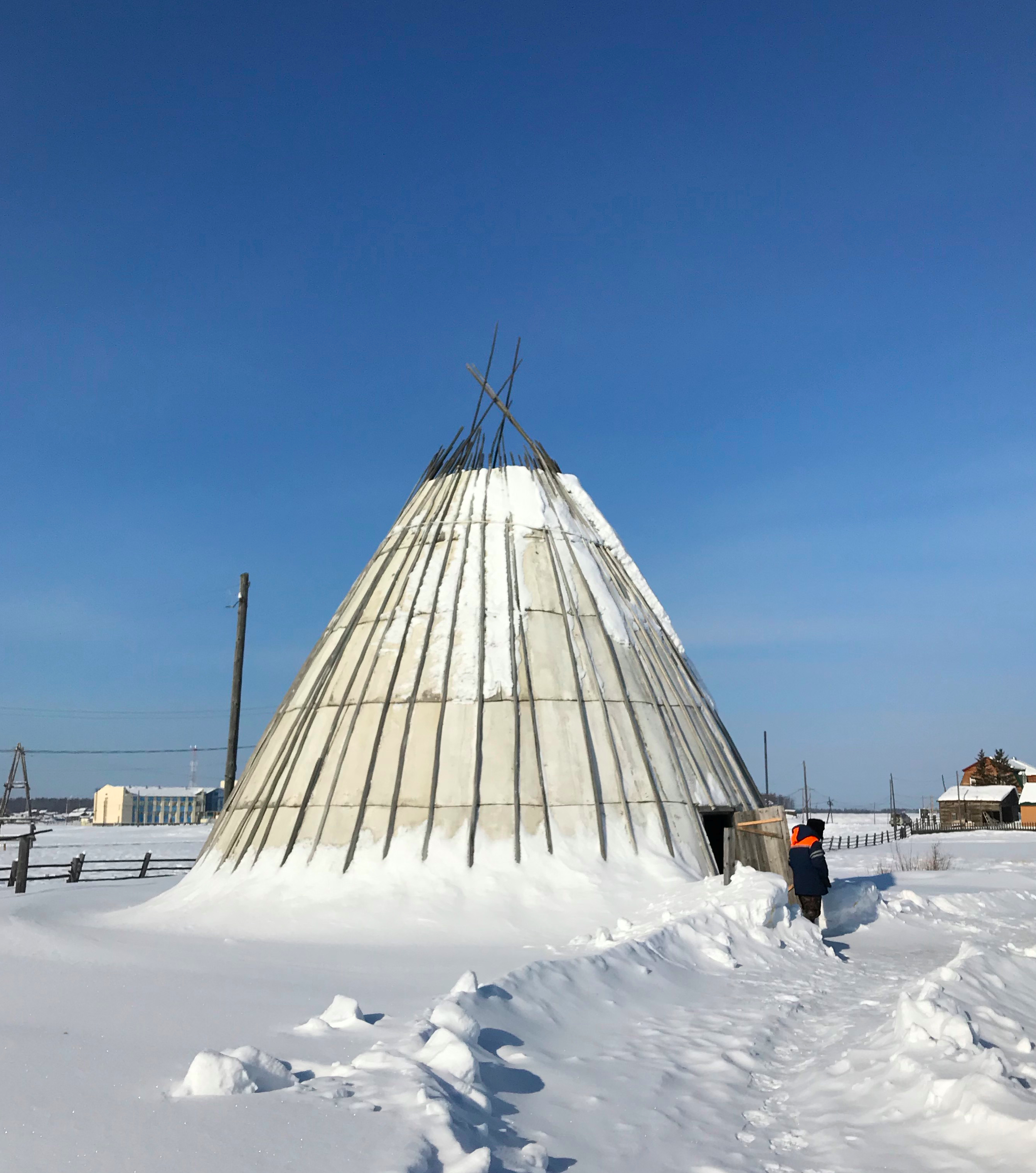

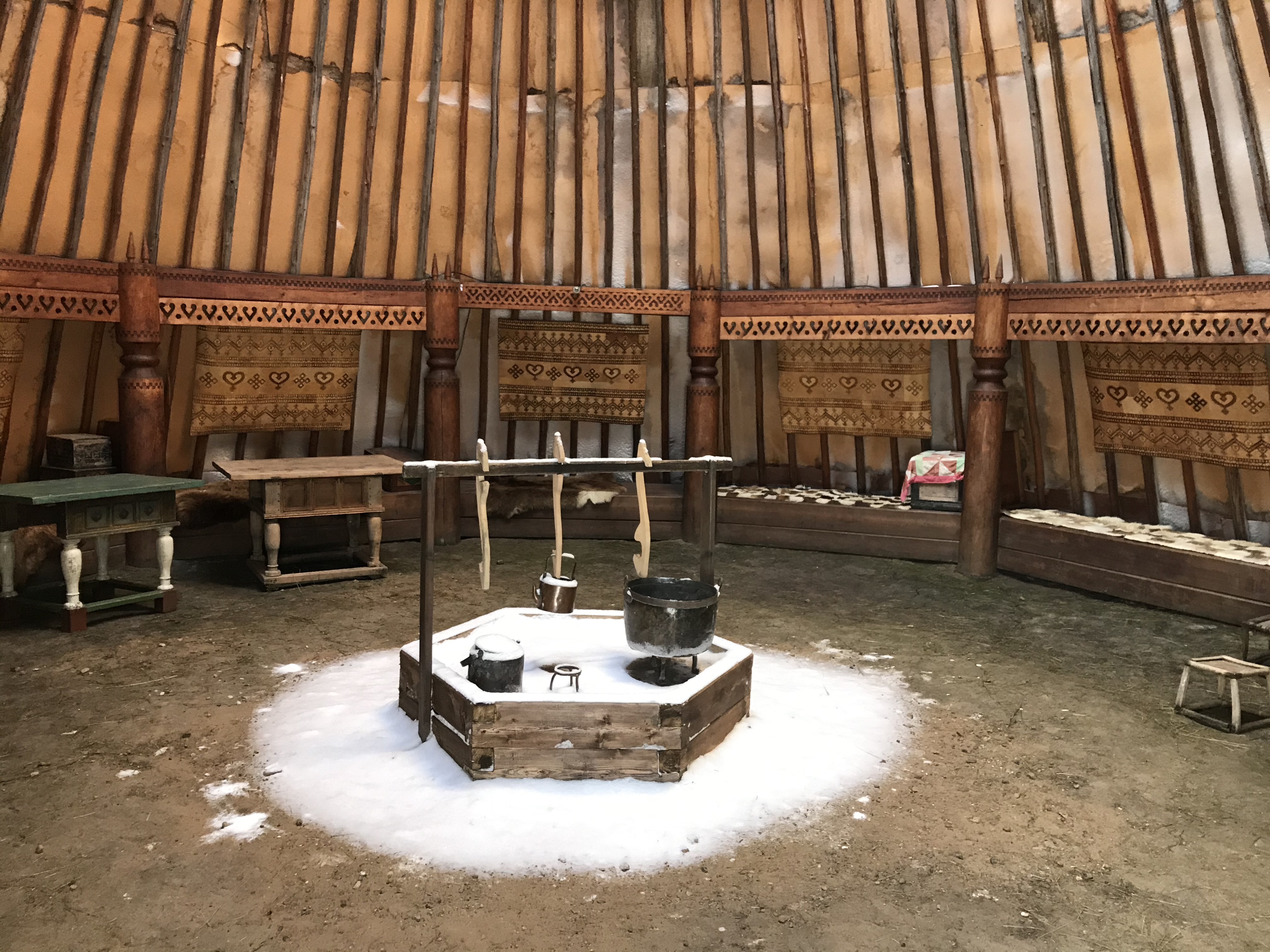
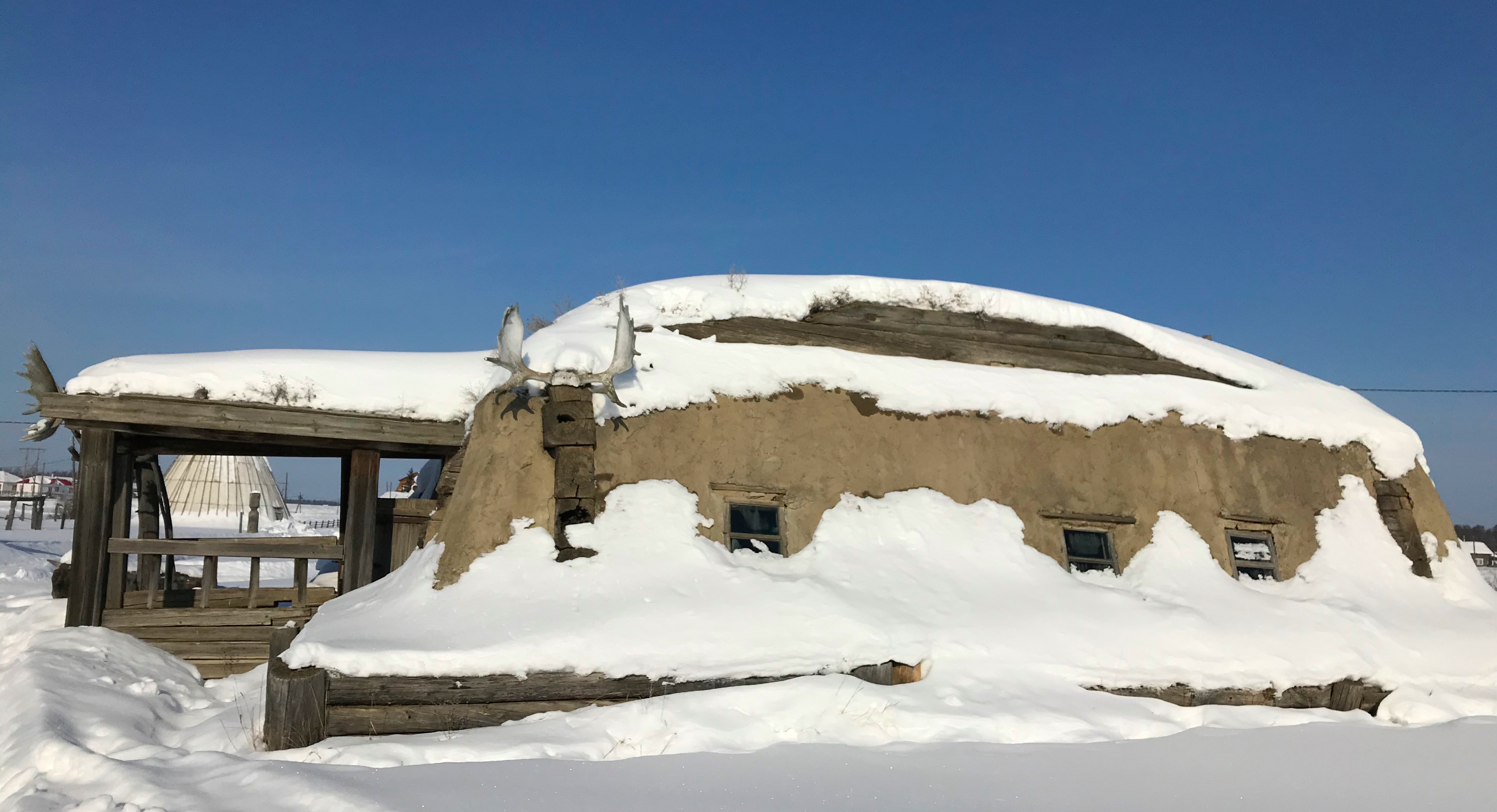
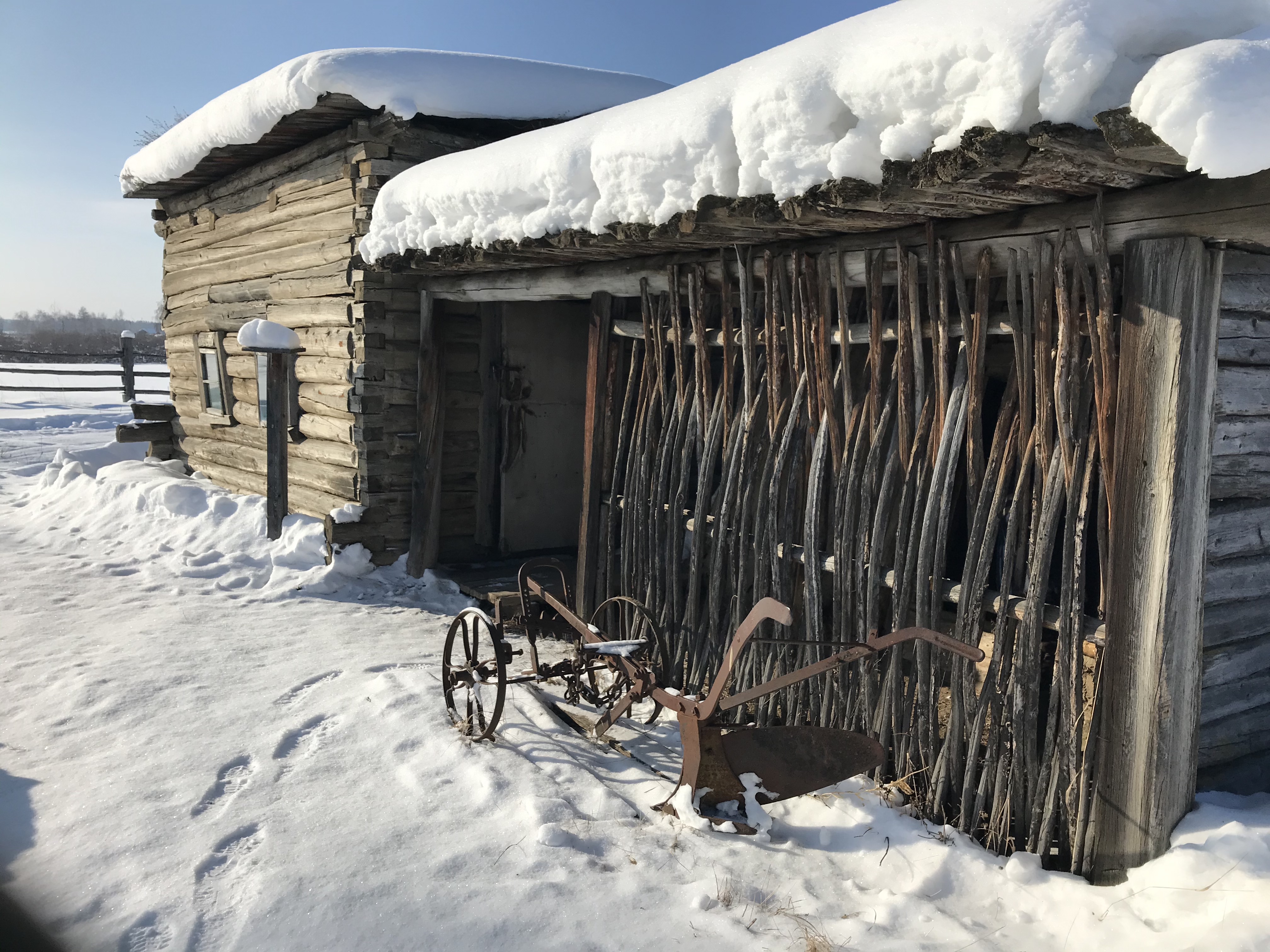
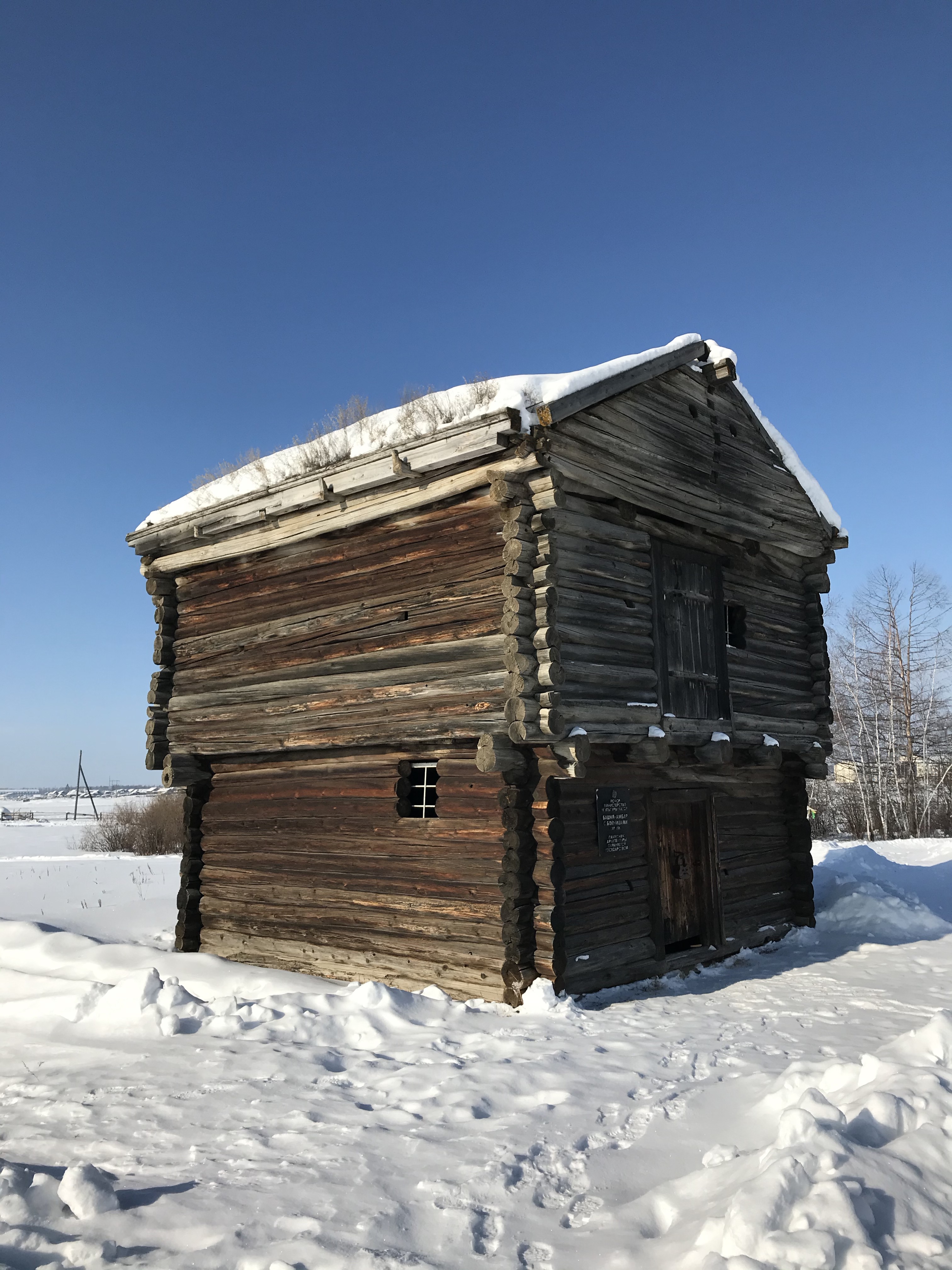

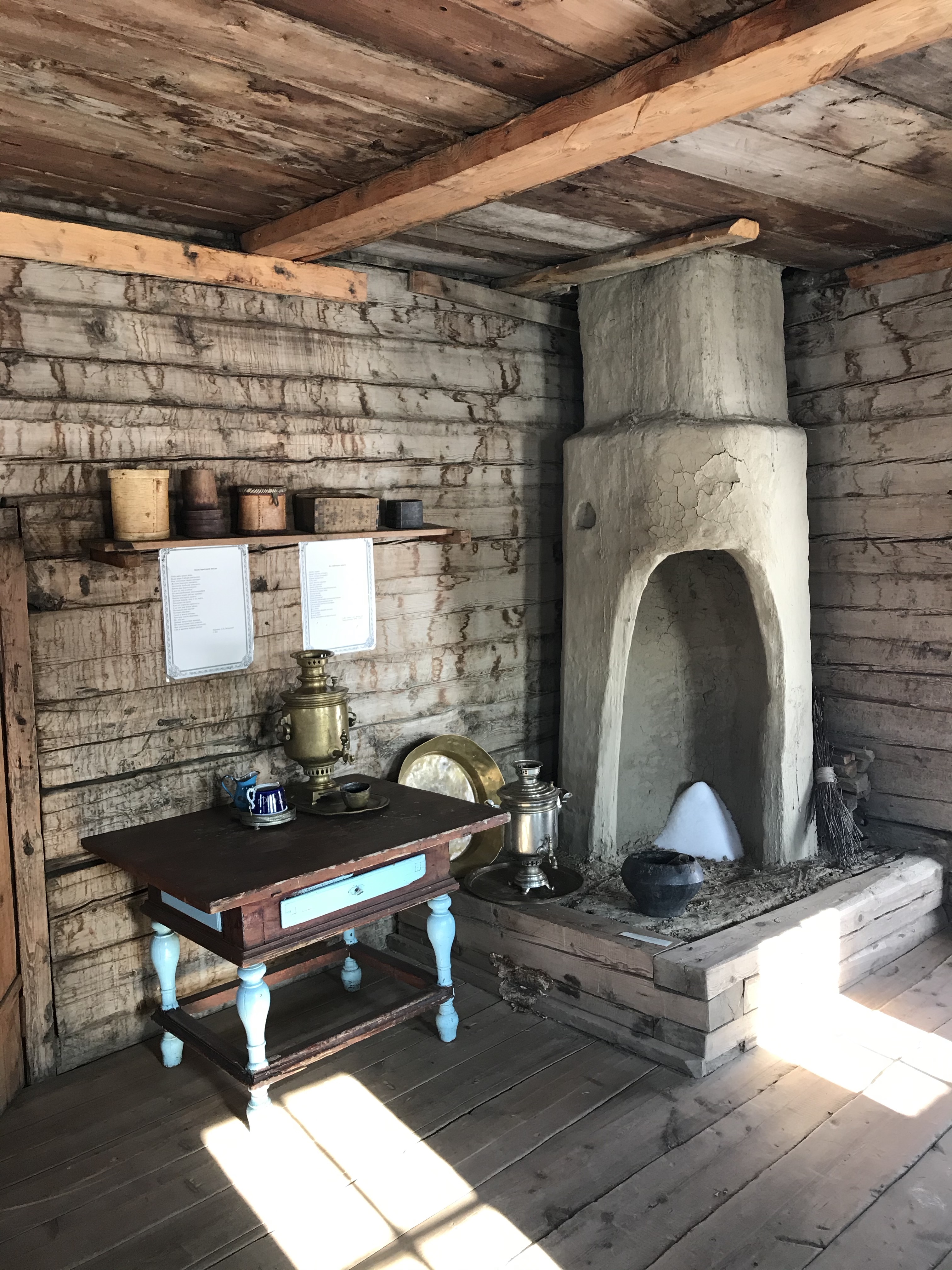


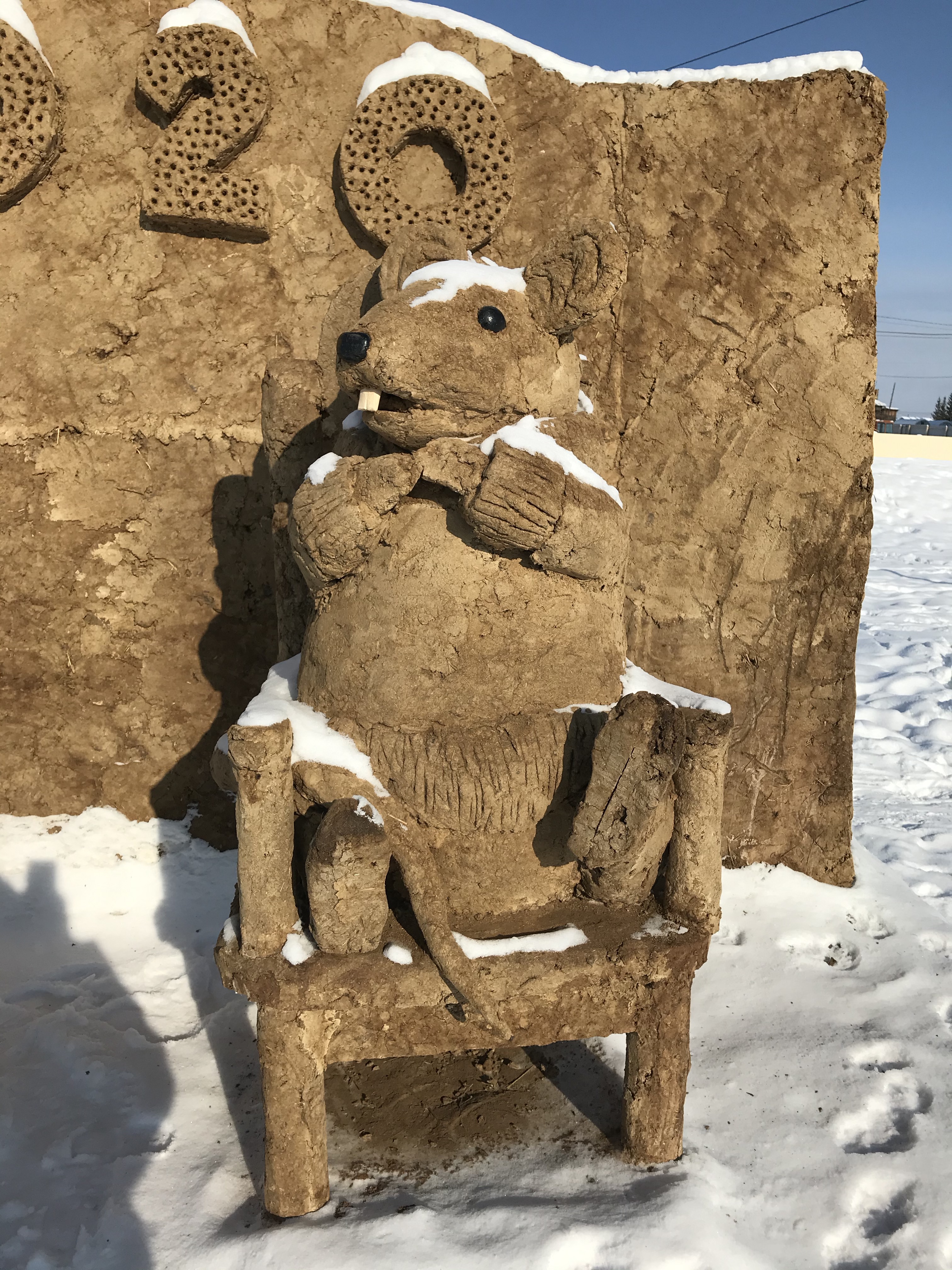
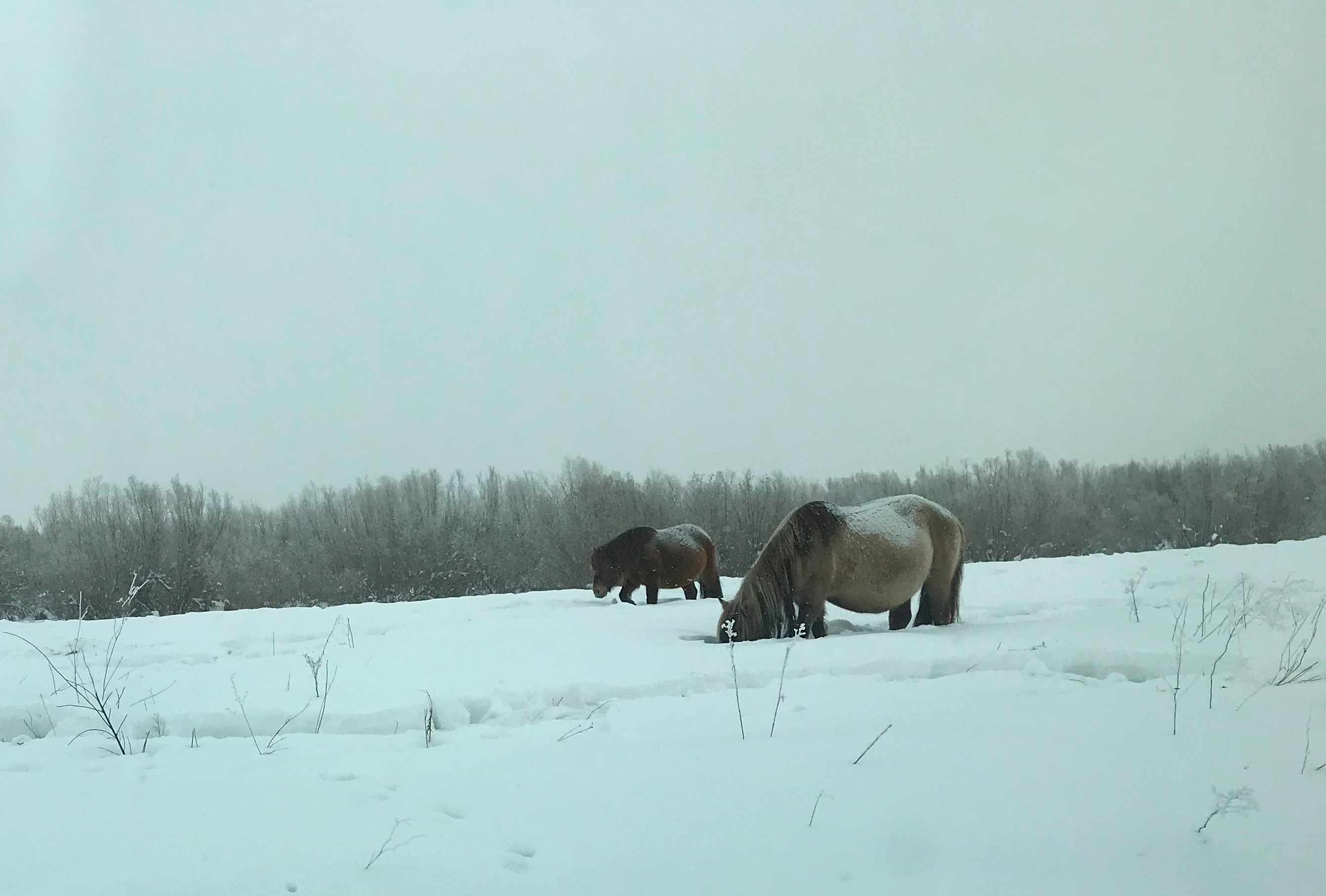


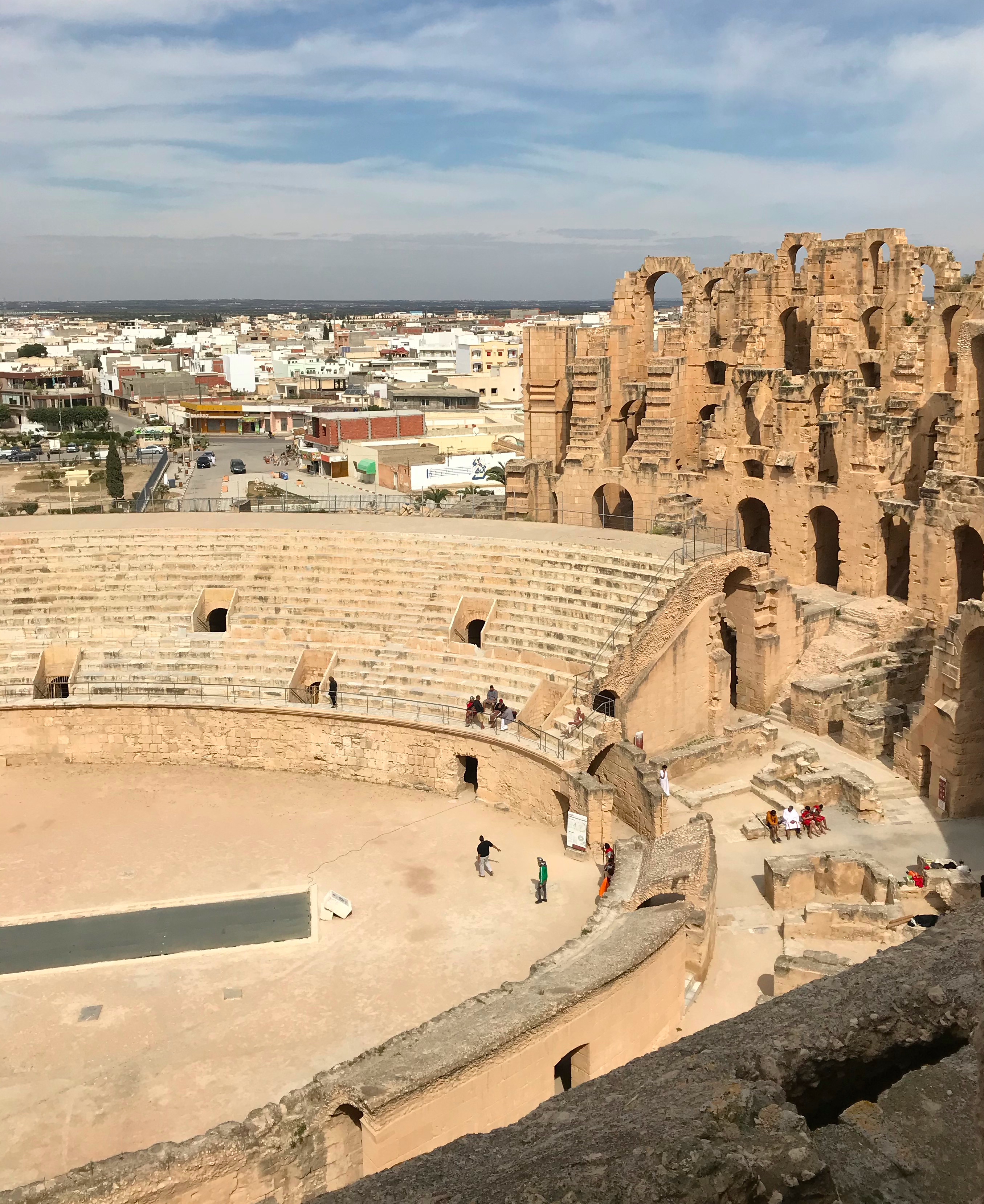


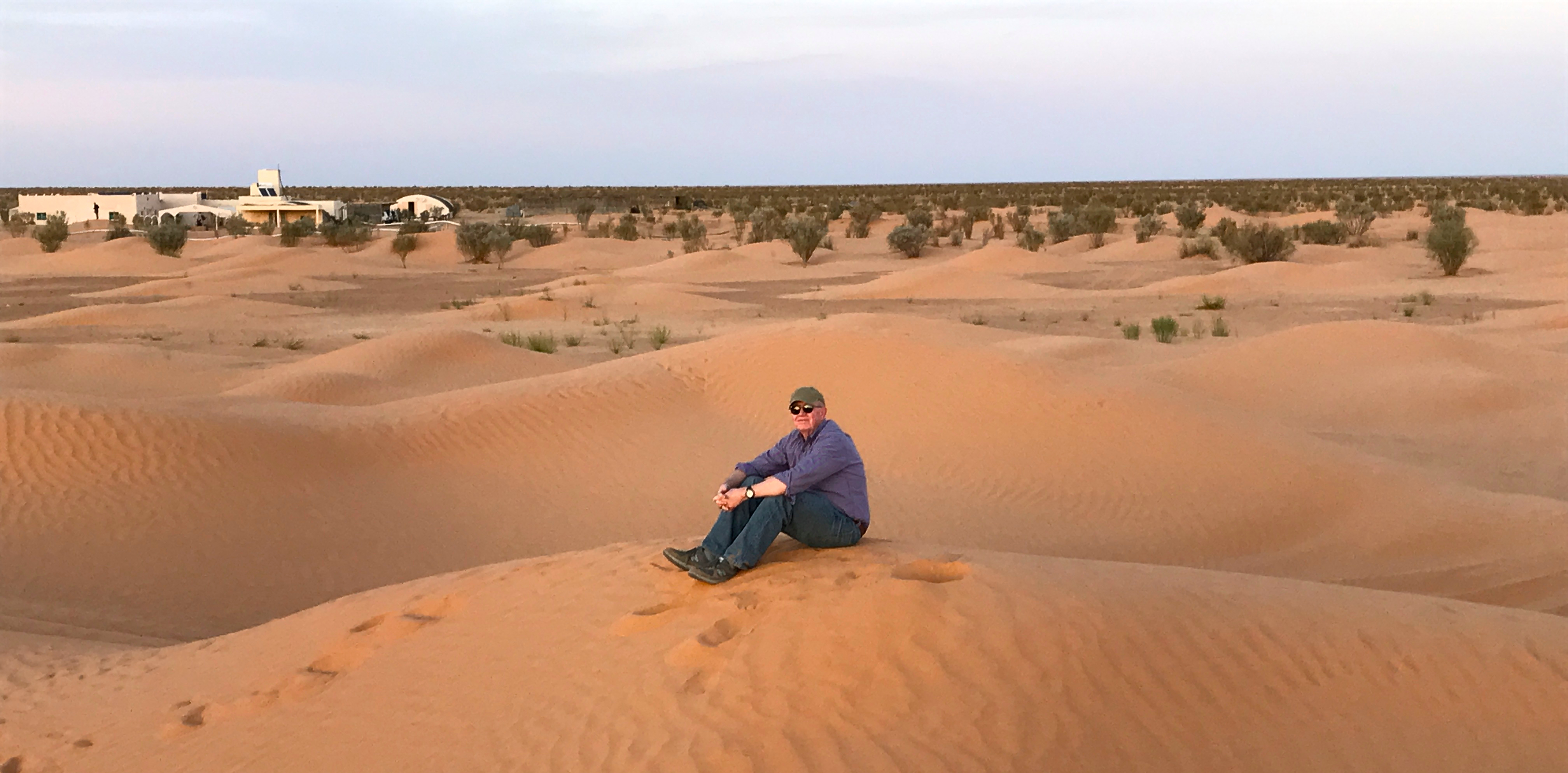
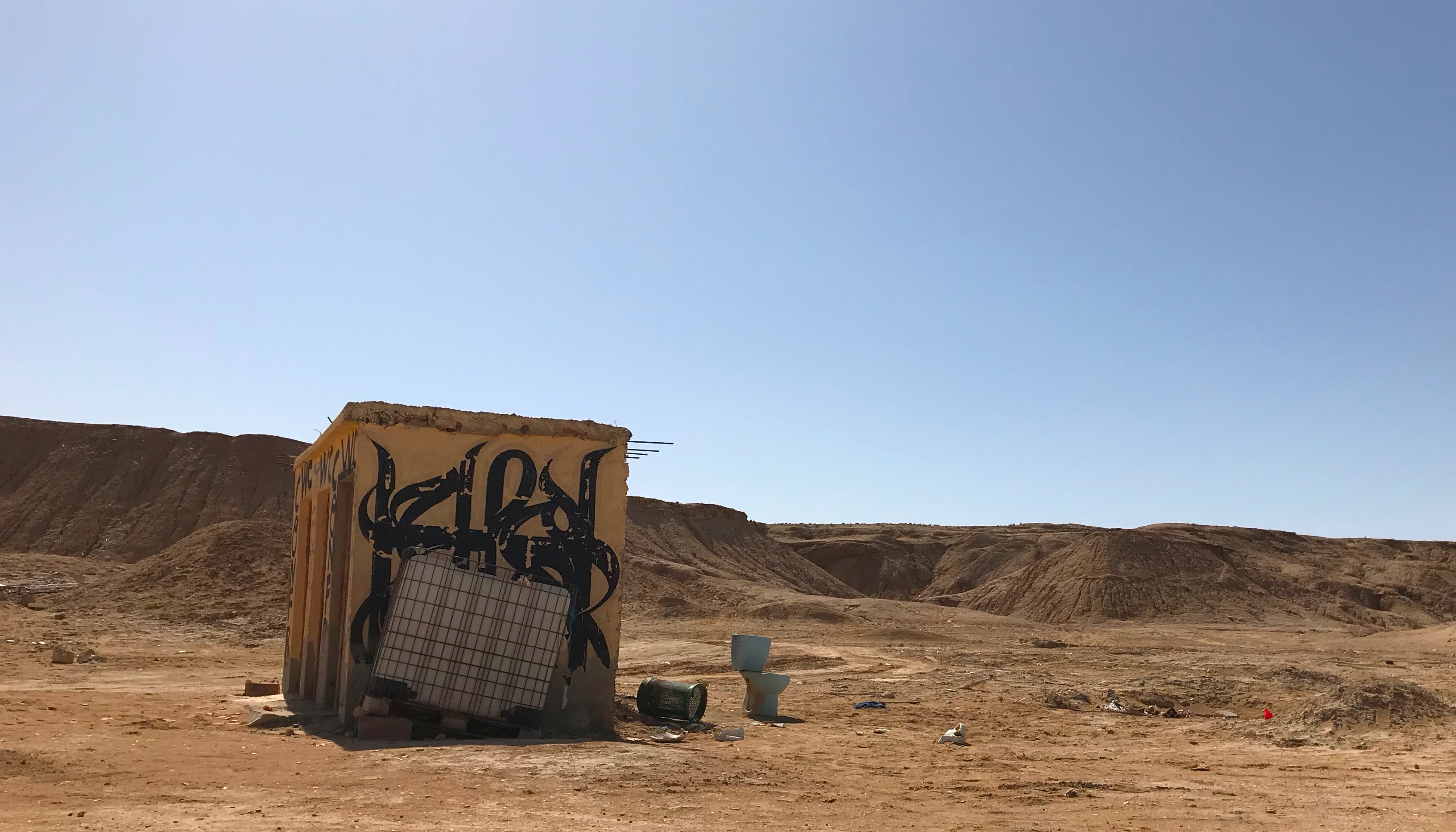

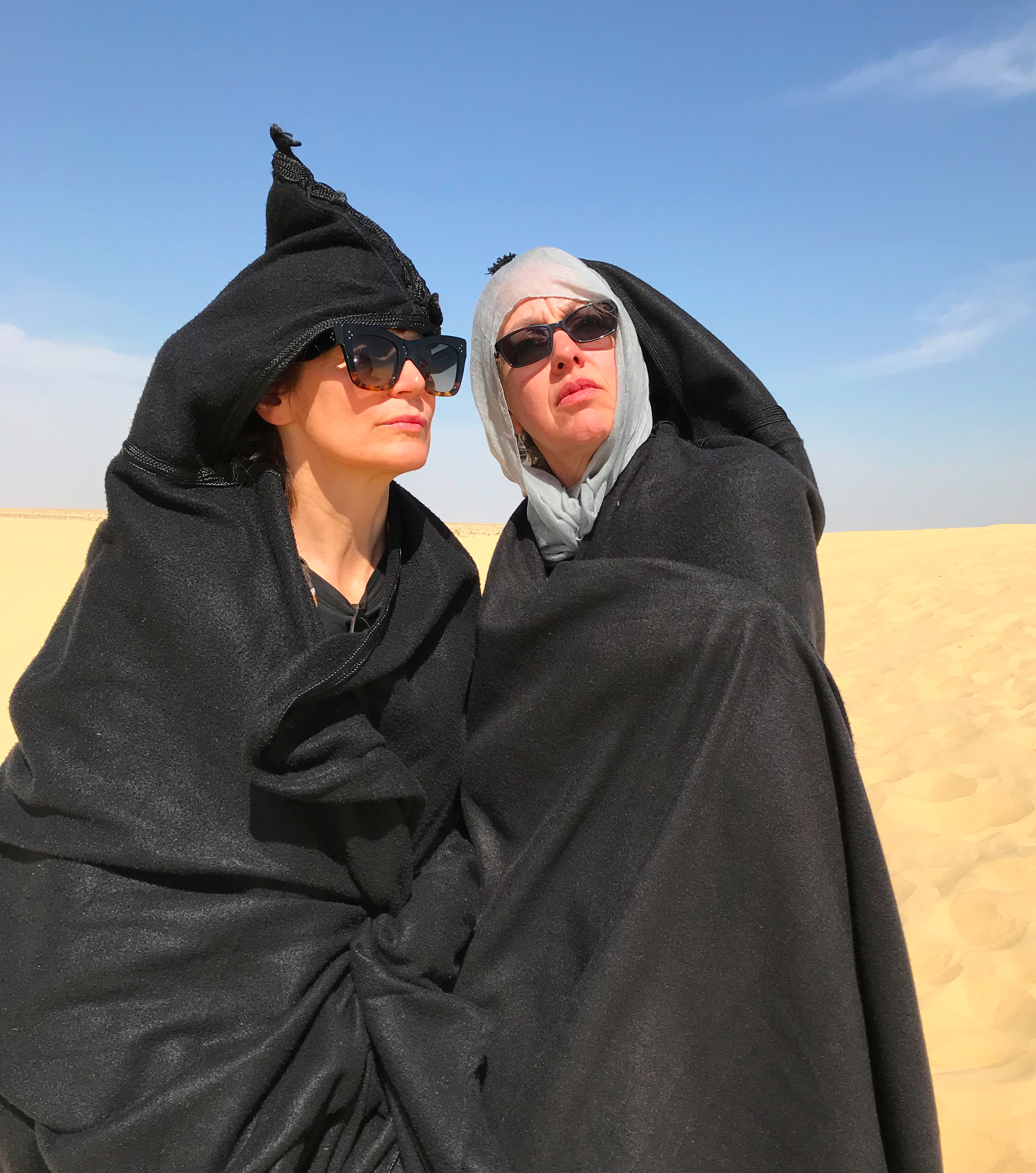

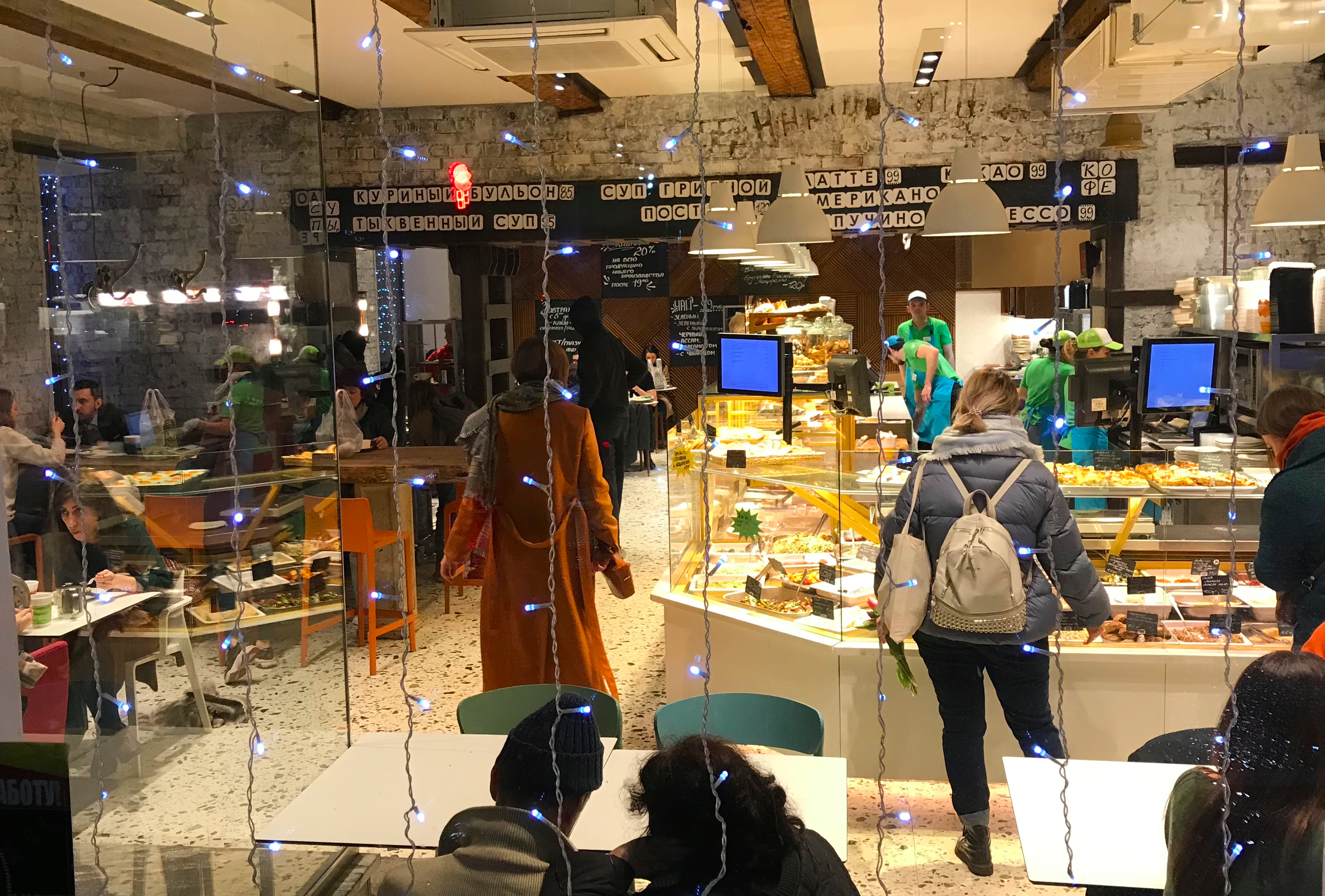

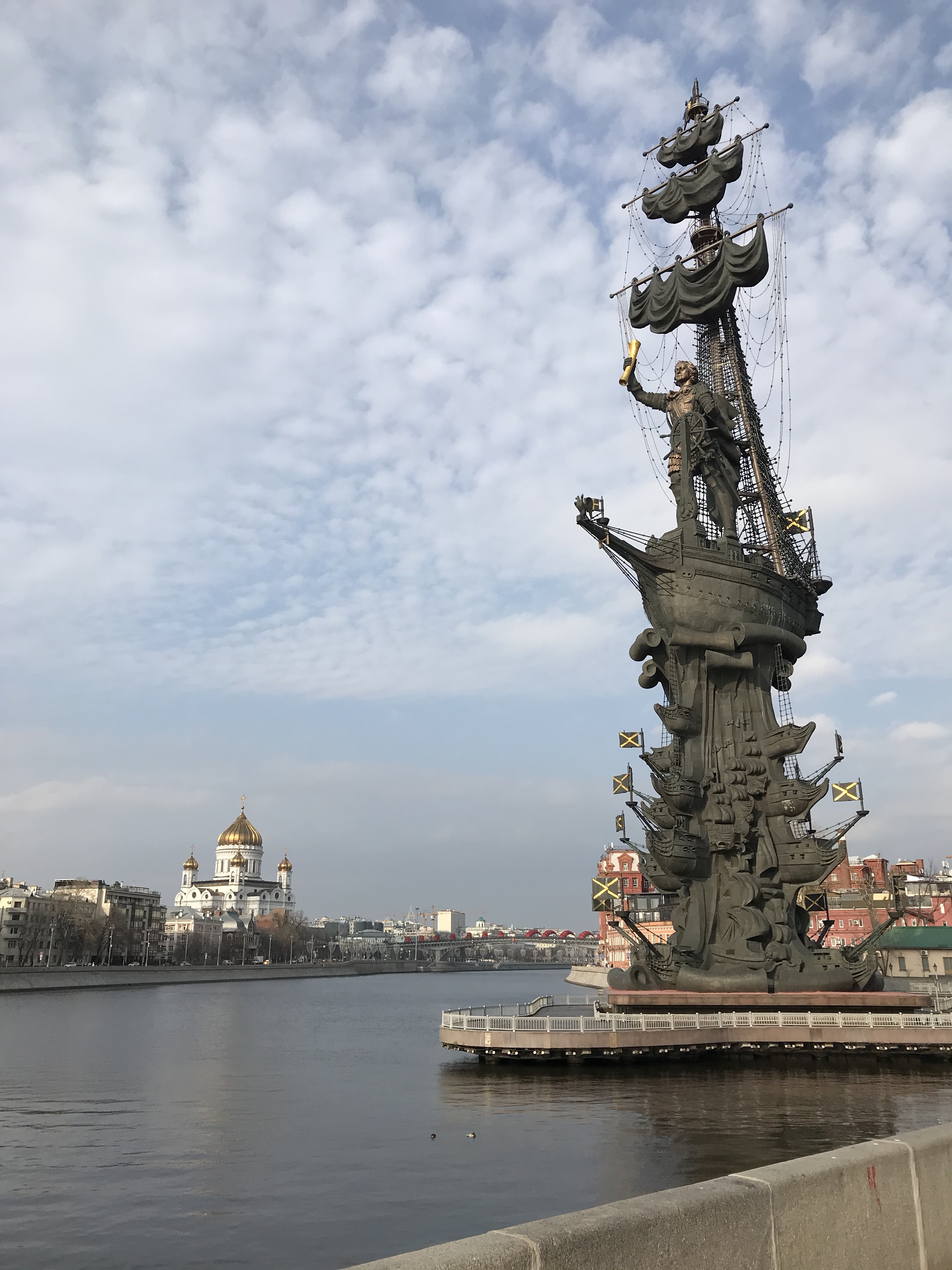
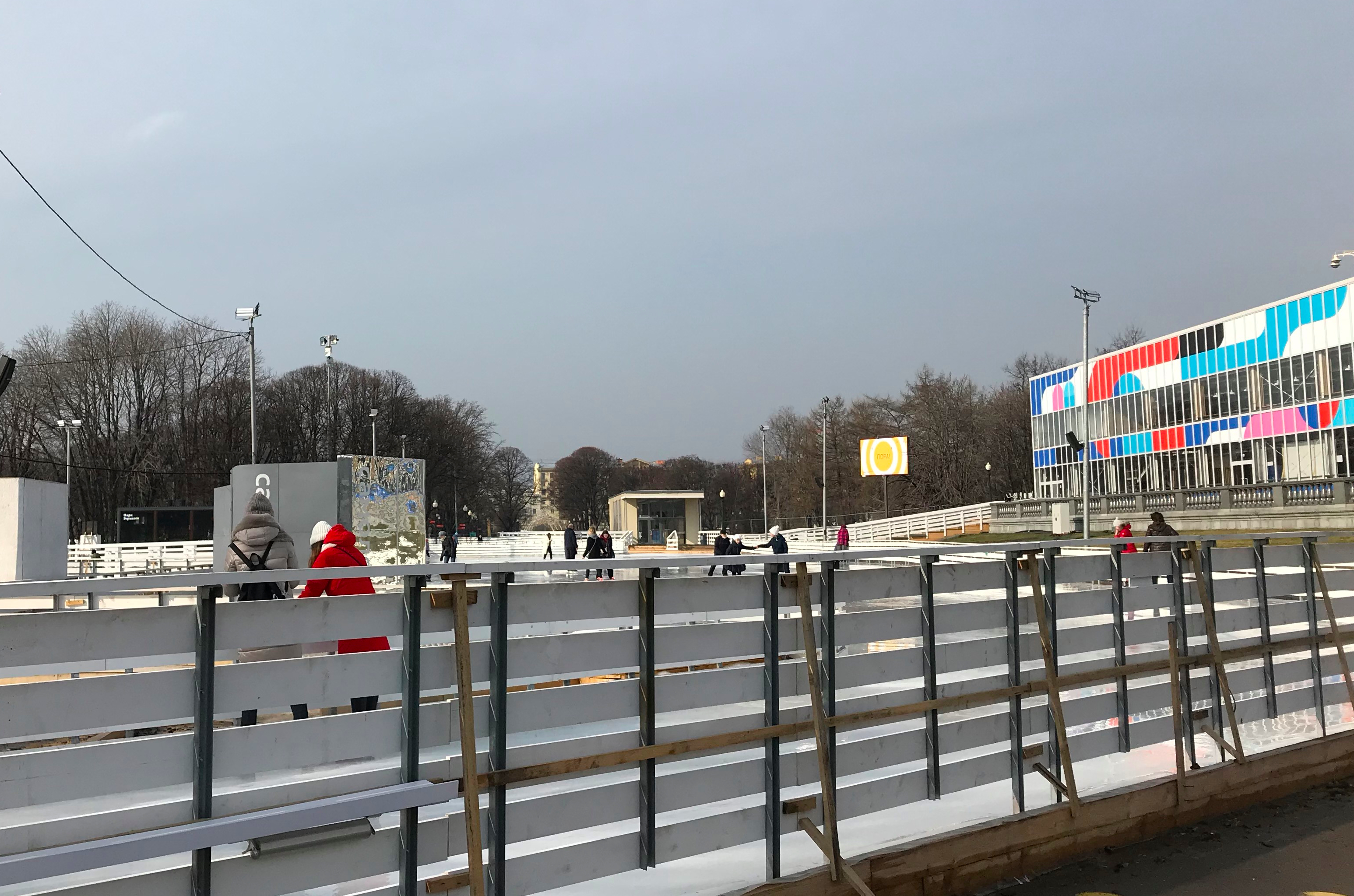

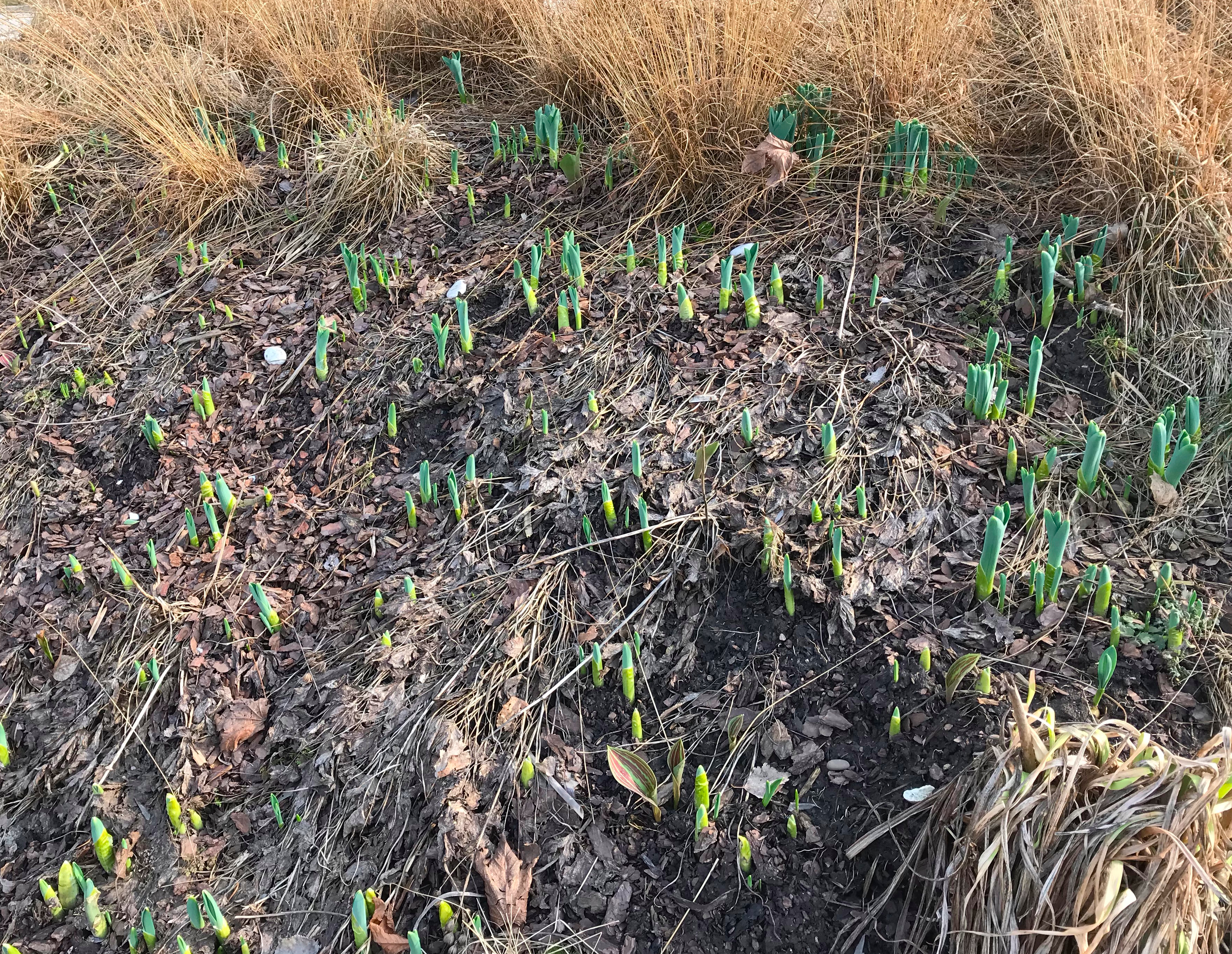

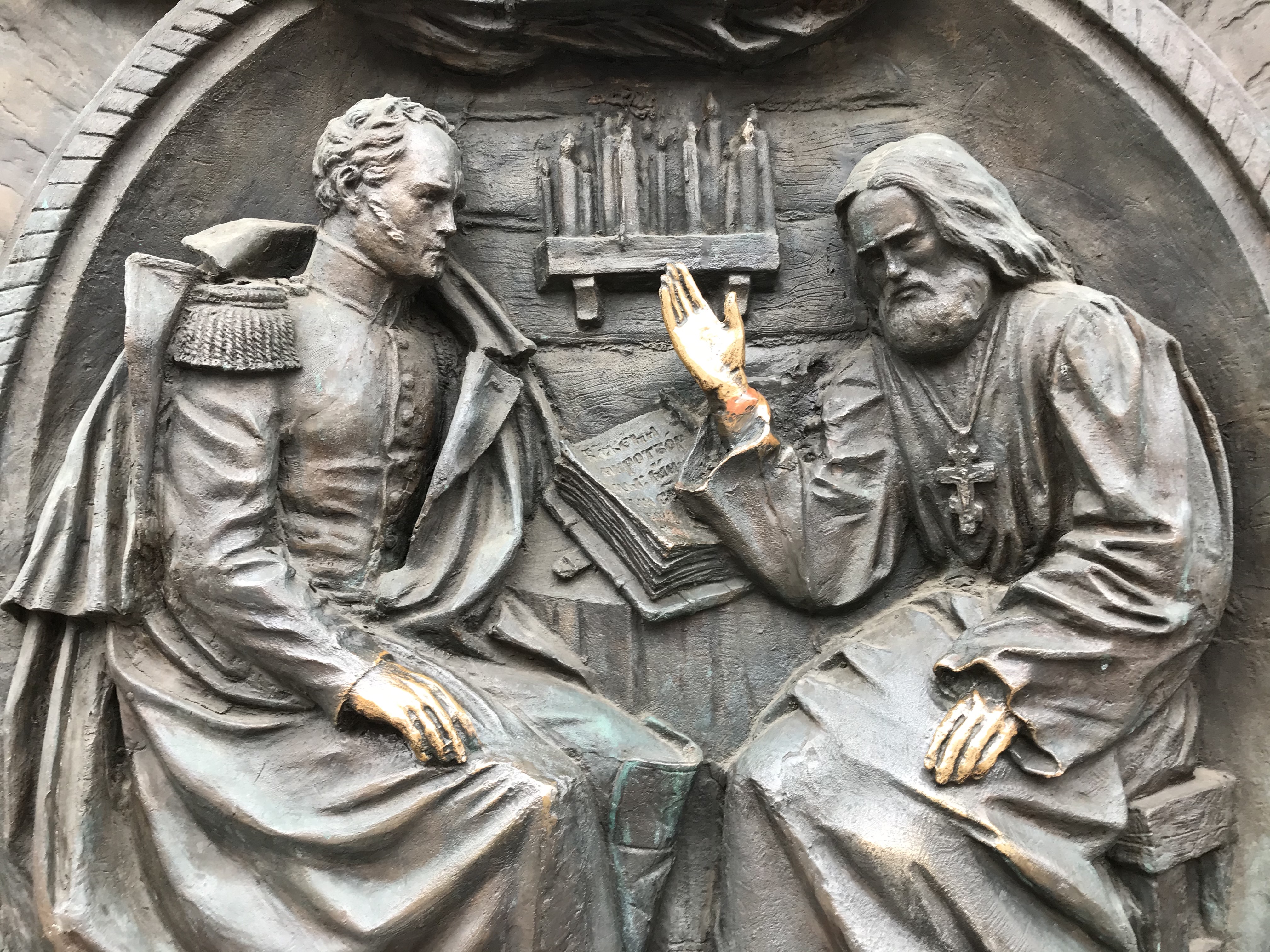
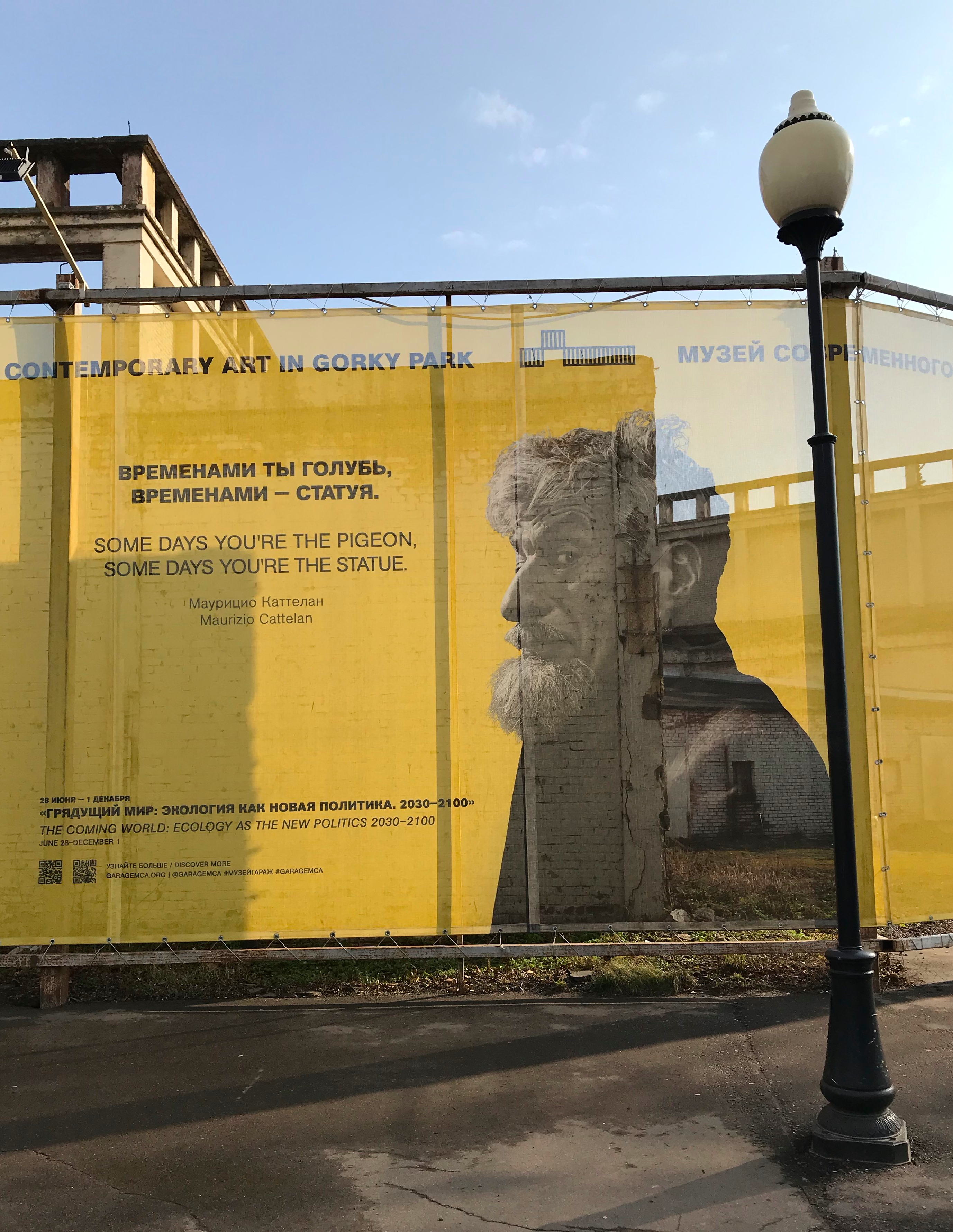
 On the other hand 3 number Z trains have rock-hard seats and pillows evidently filled with actual rock dust.
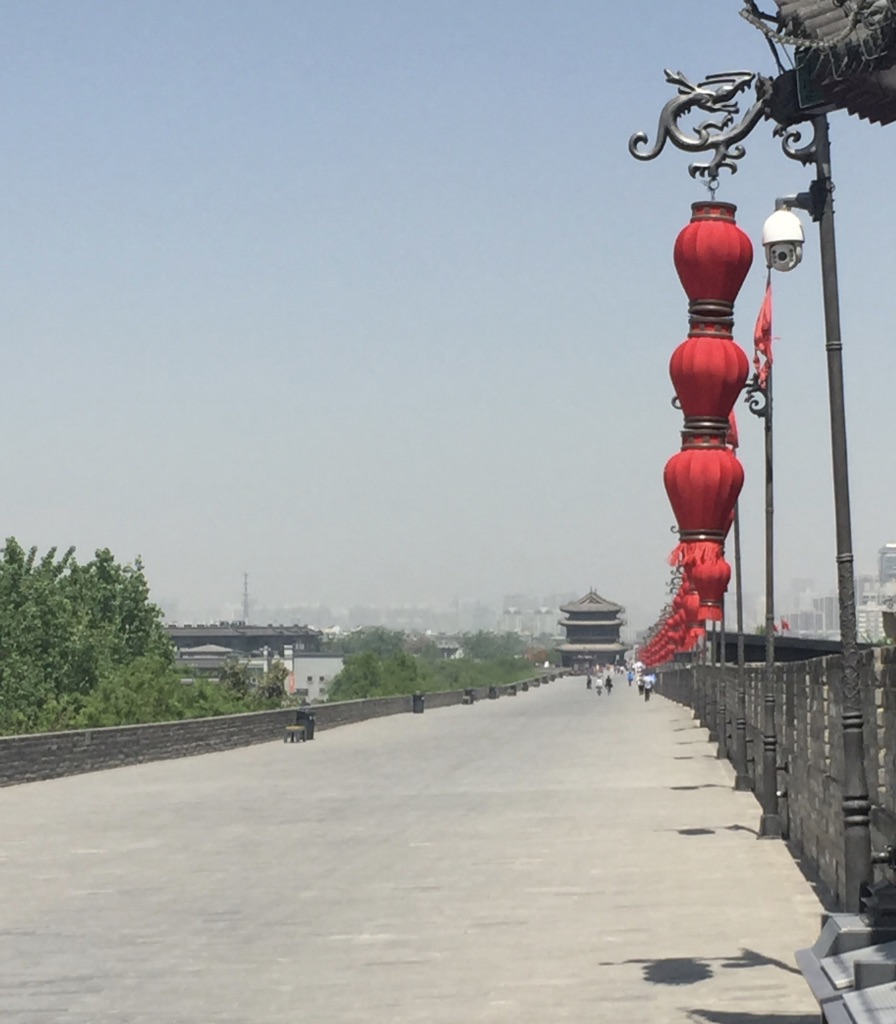
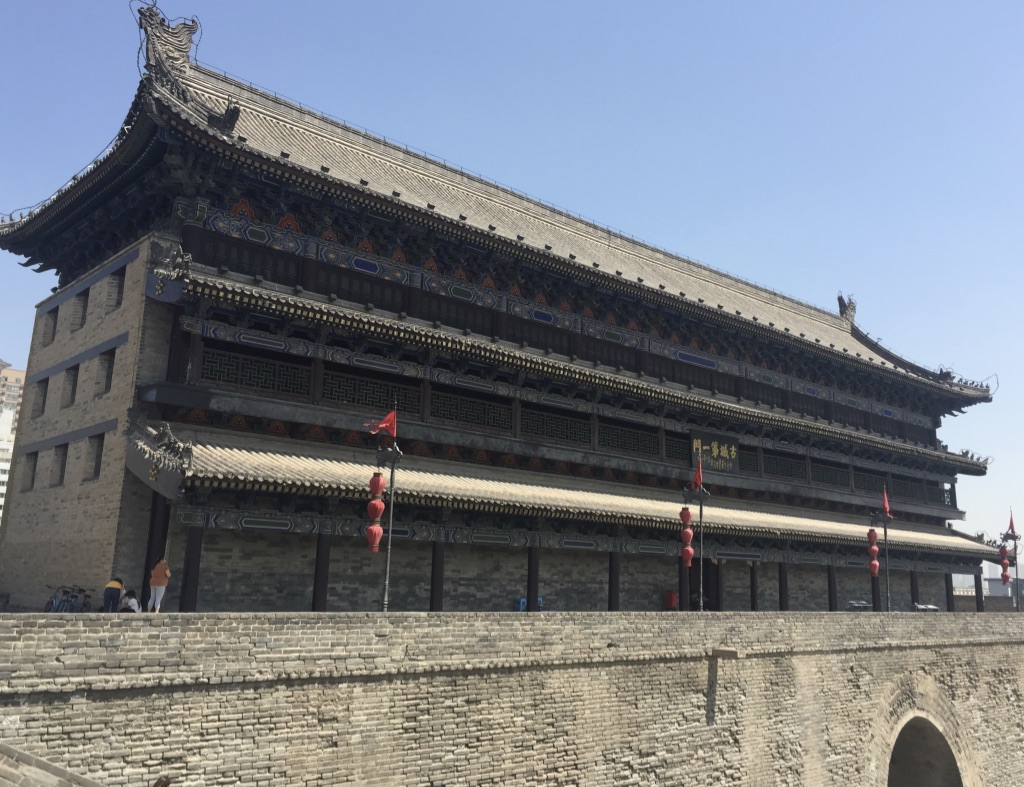


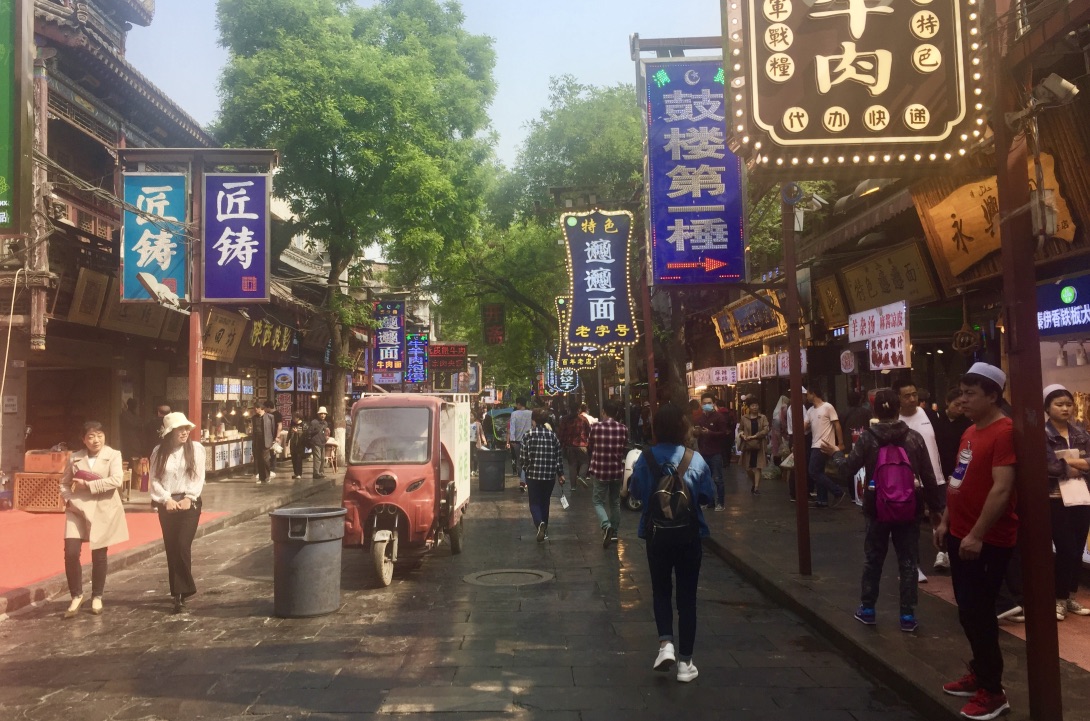
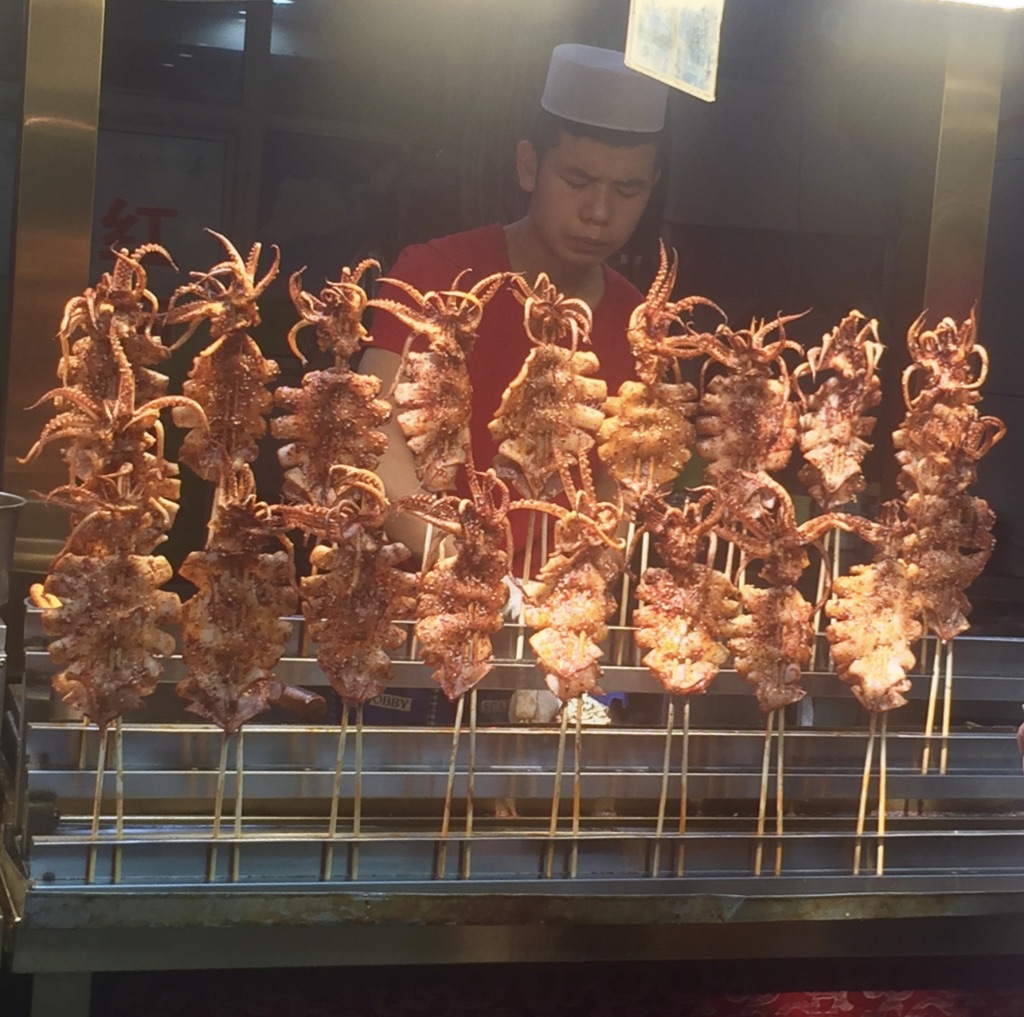

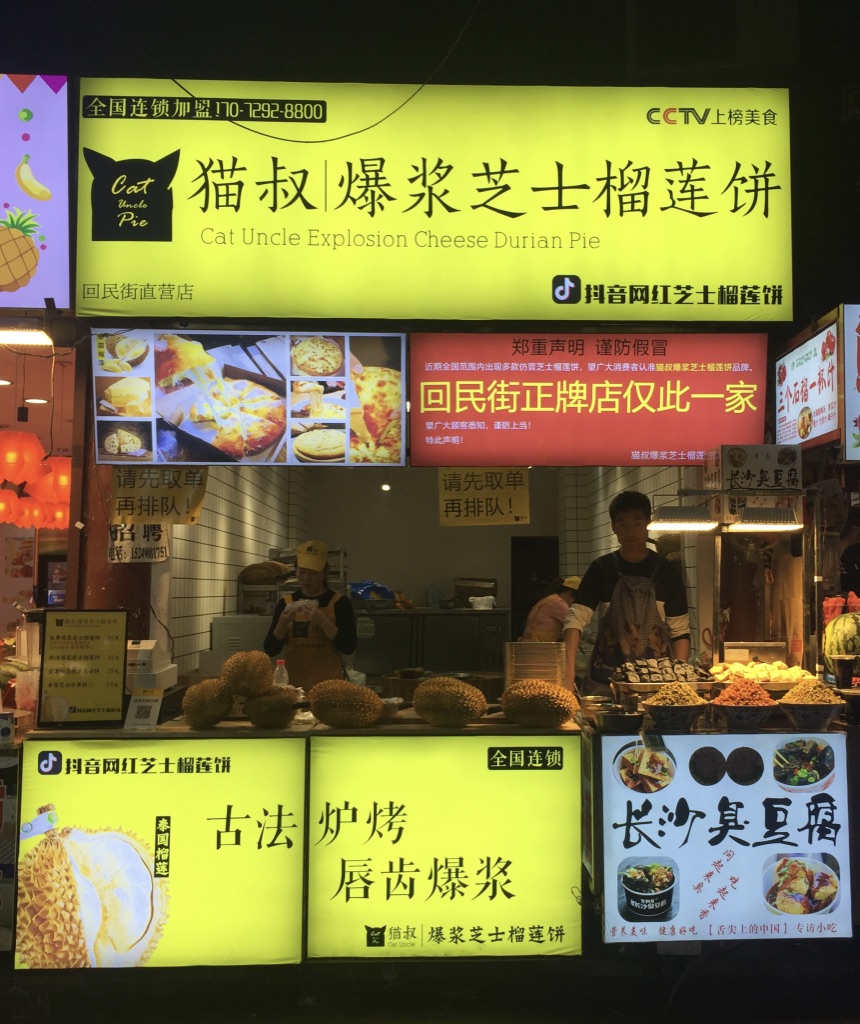
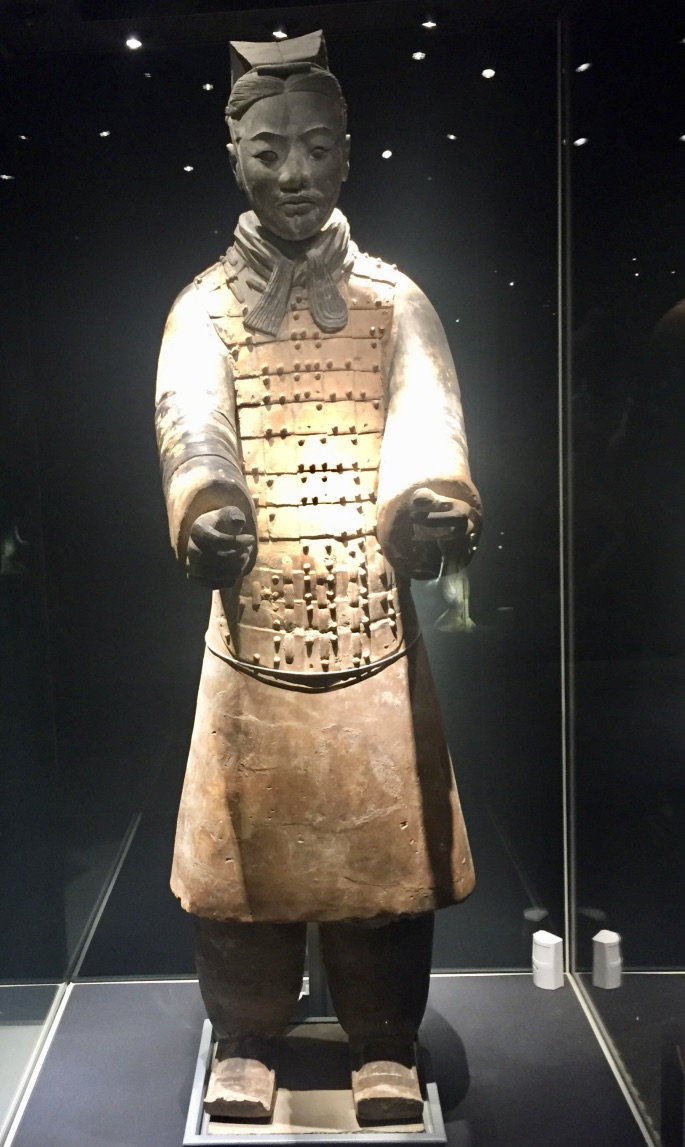
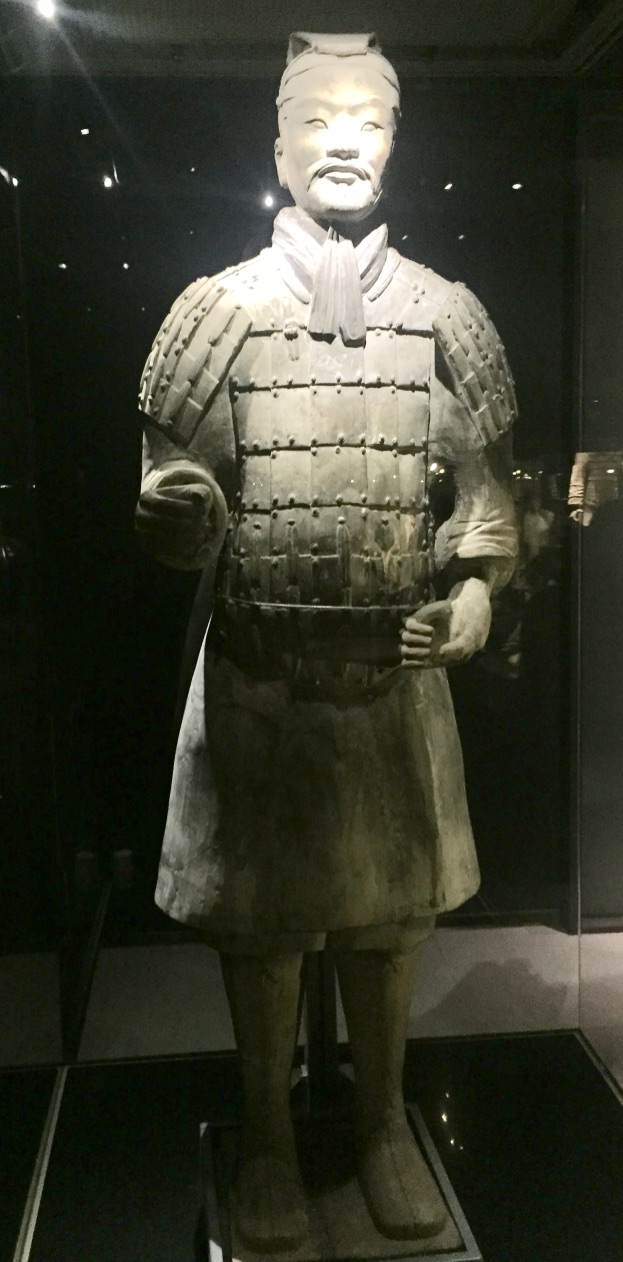


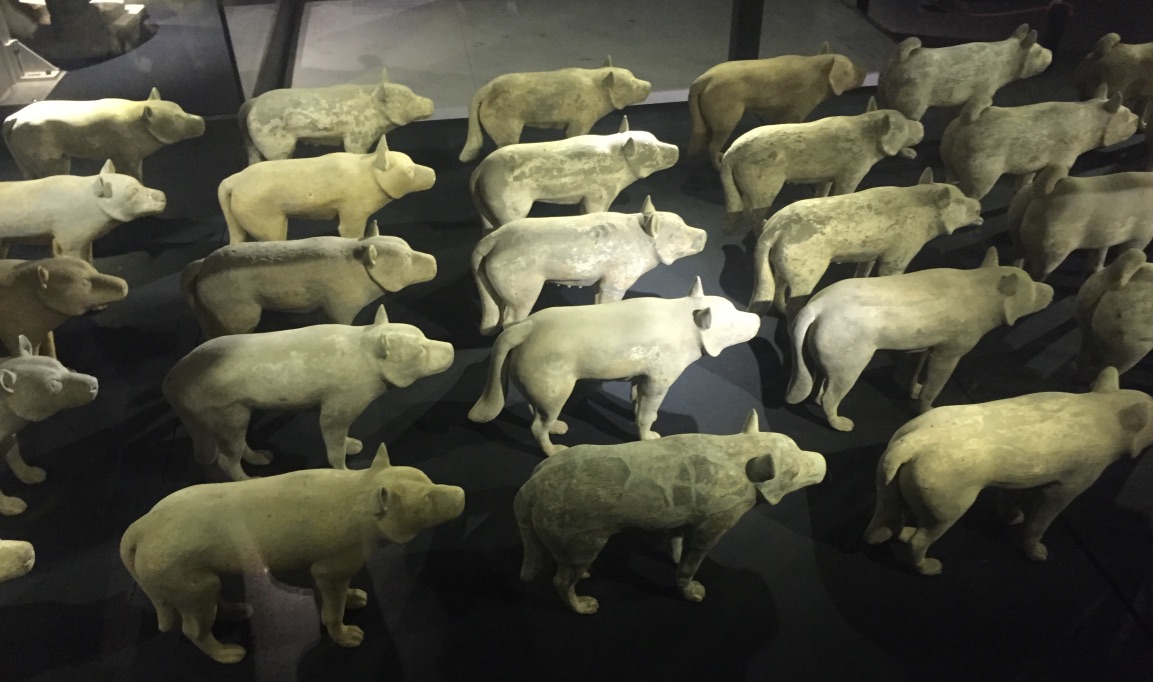
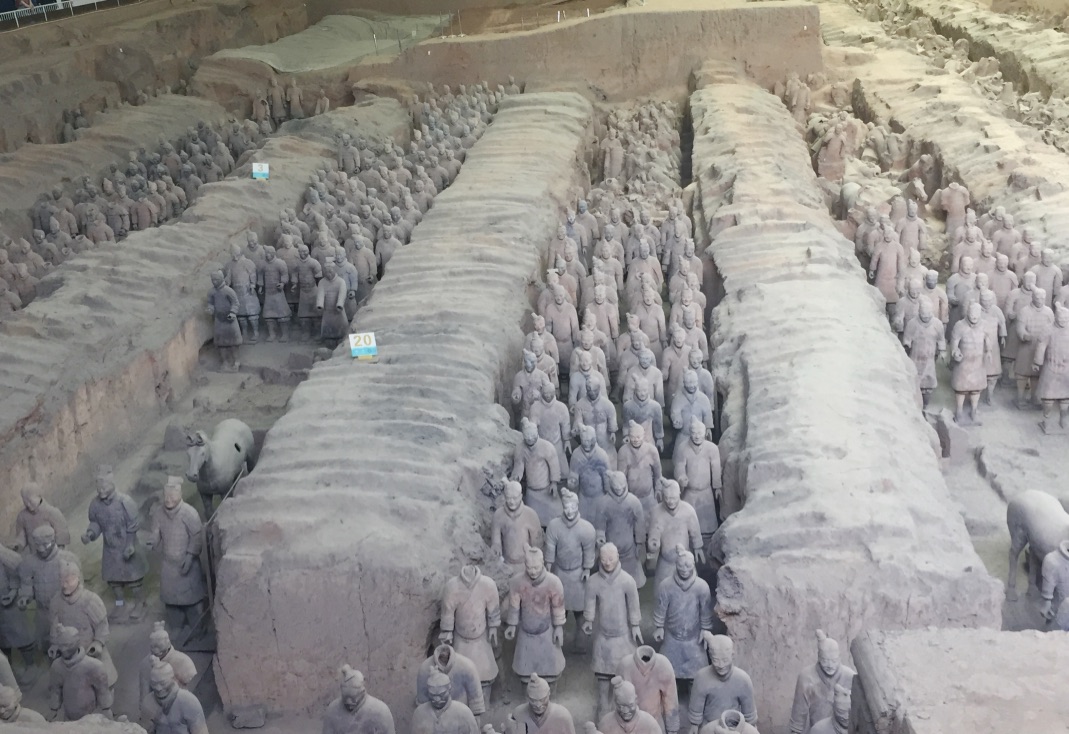
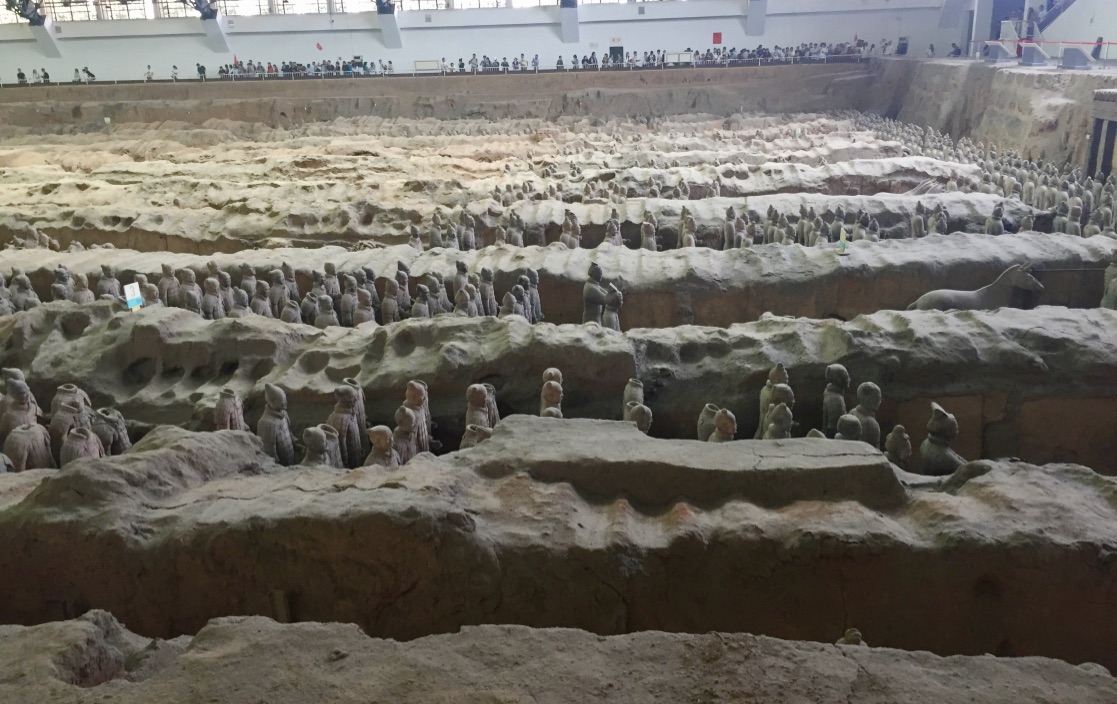

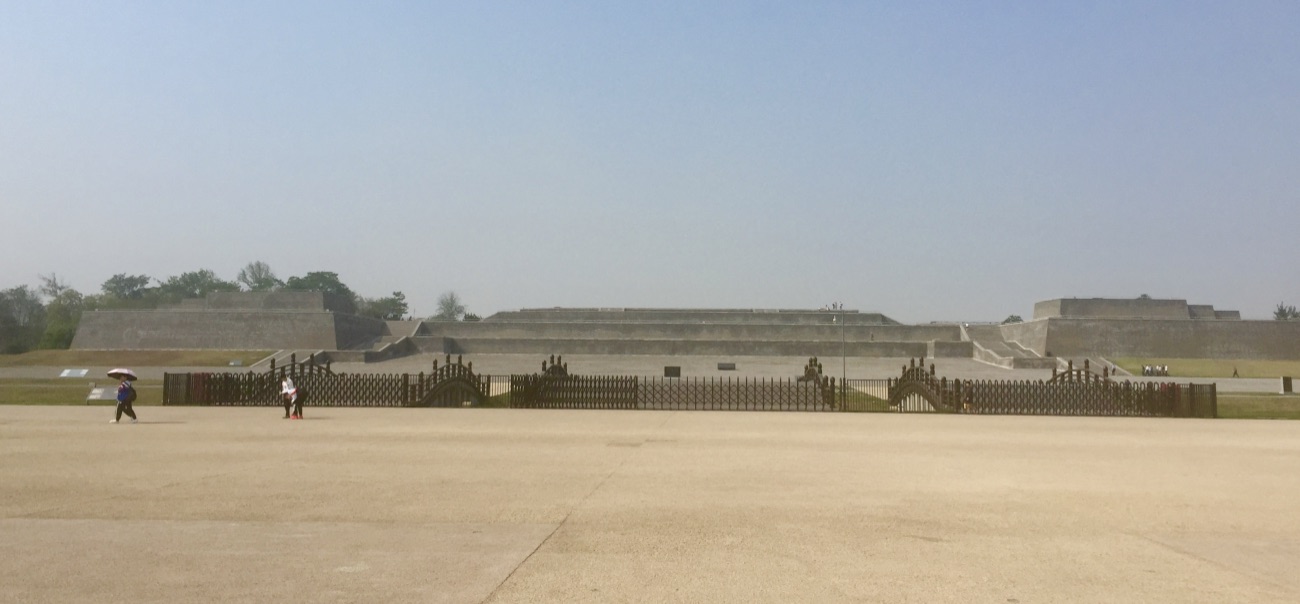

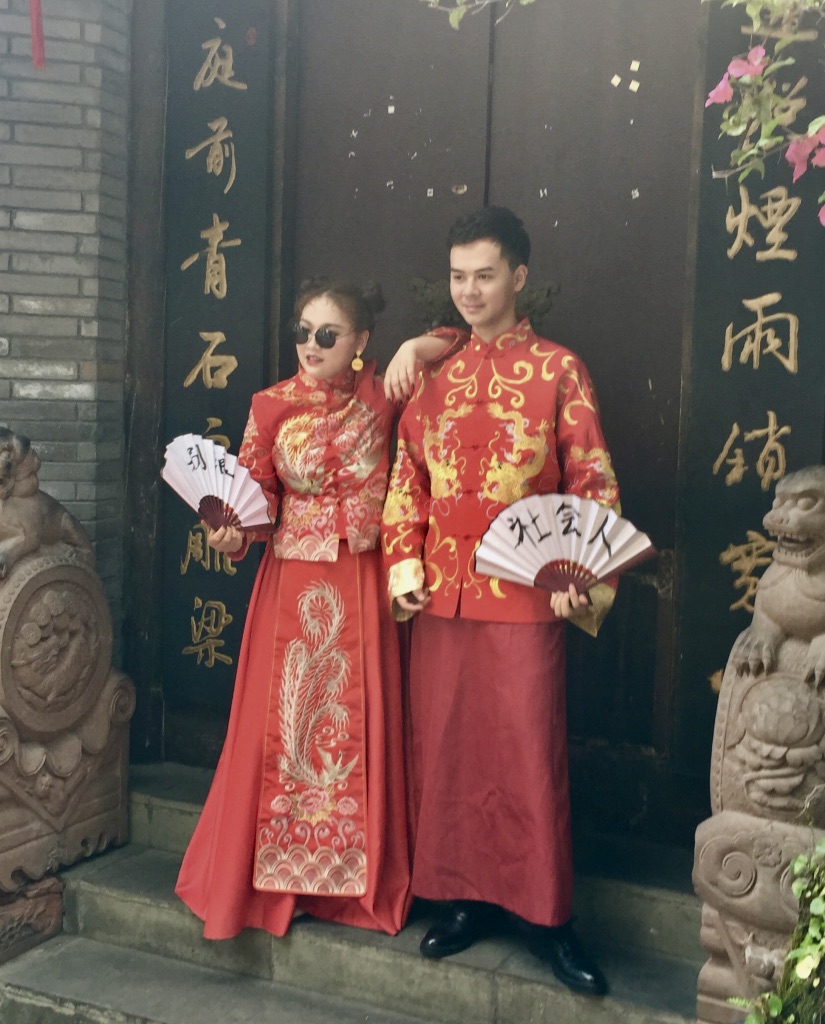


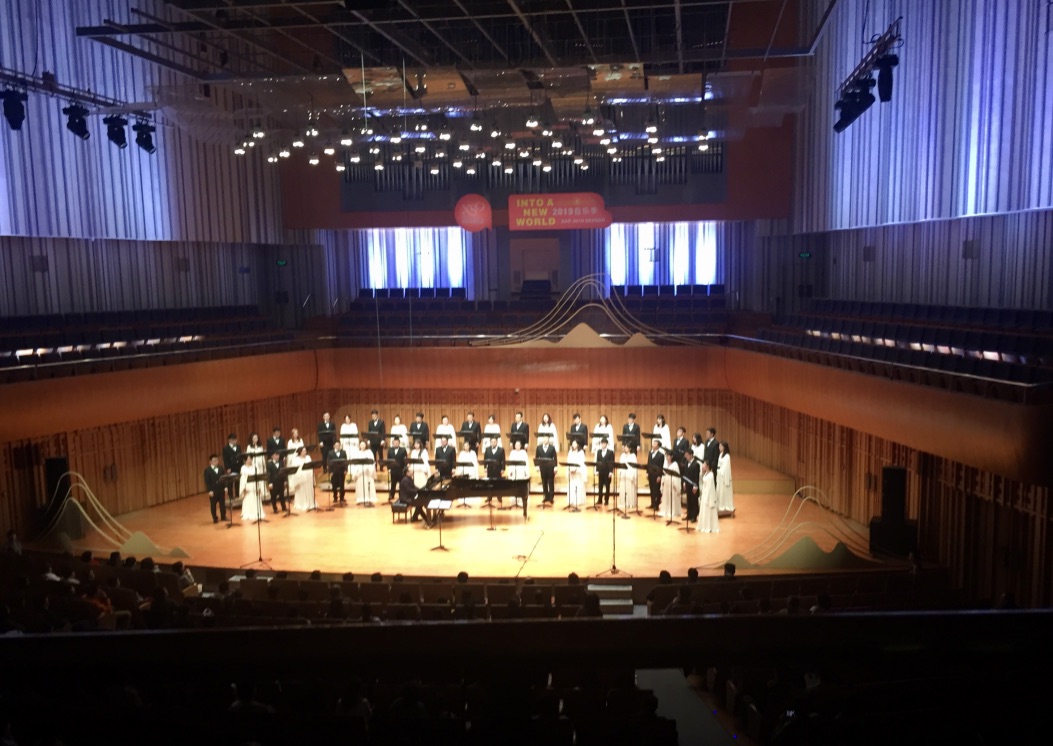
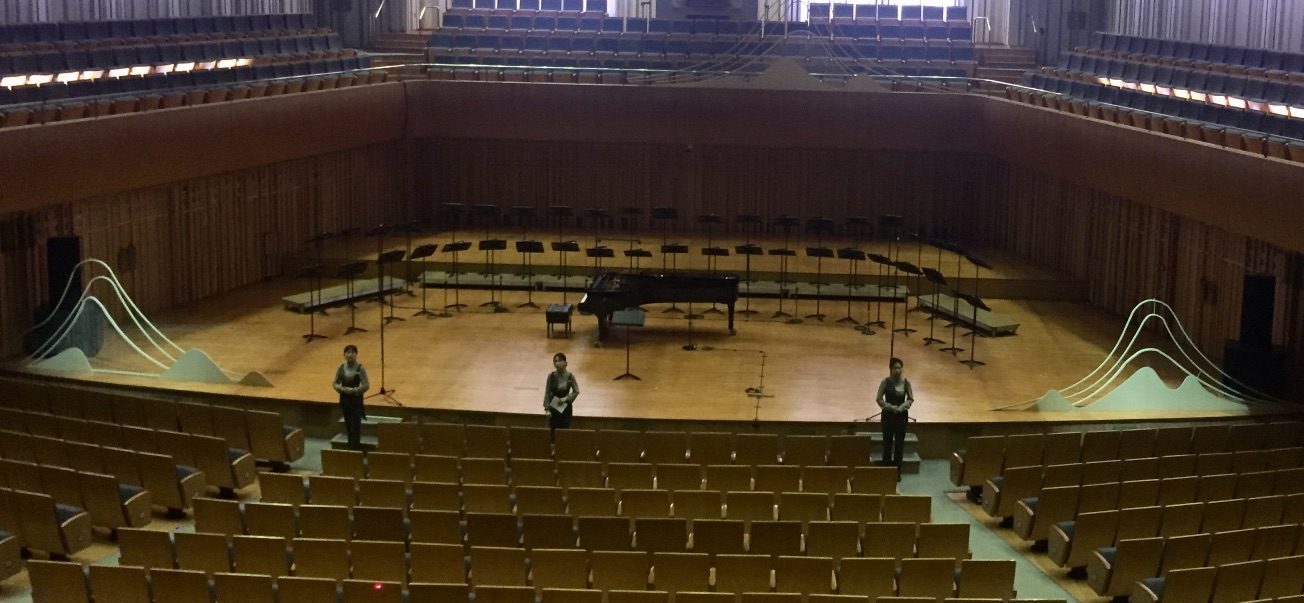

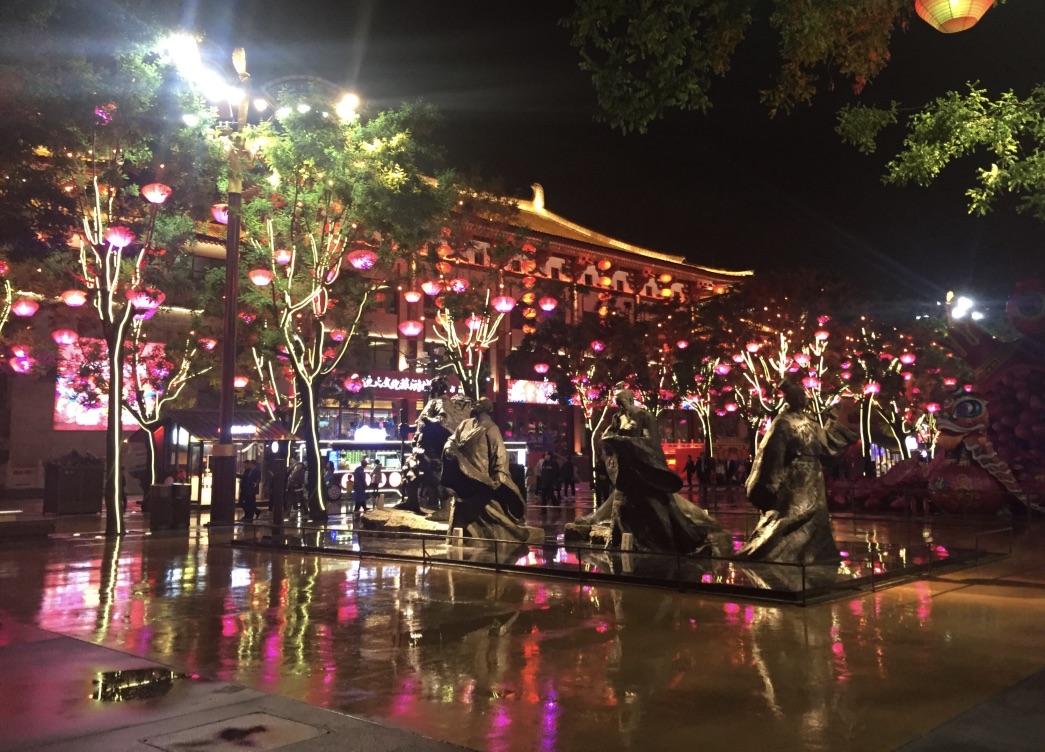


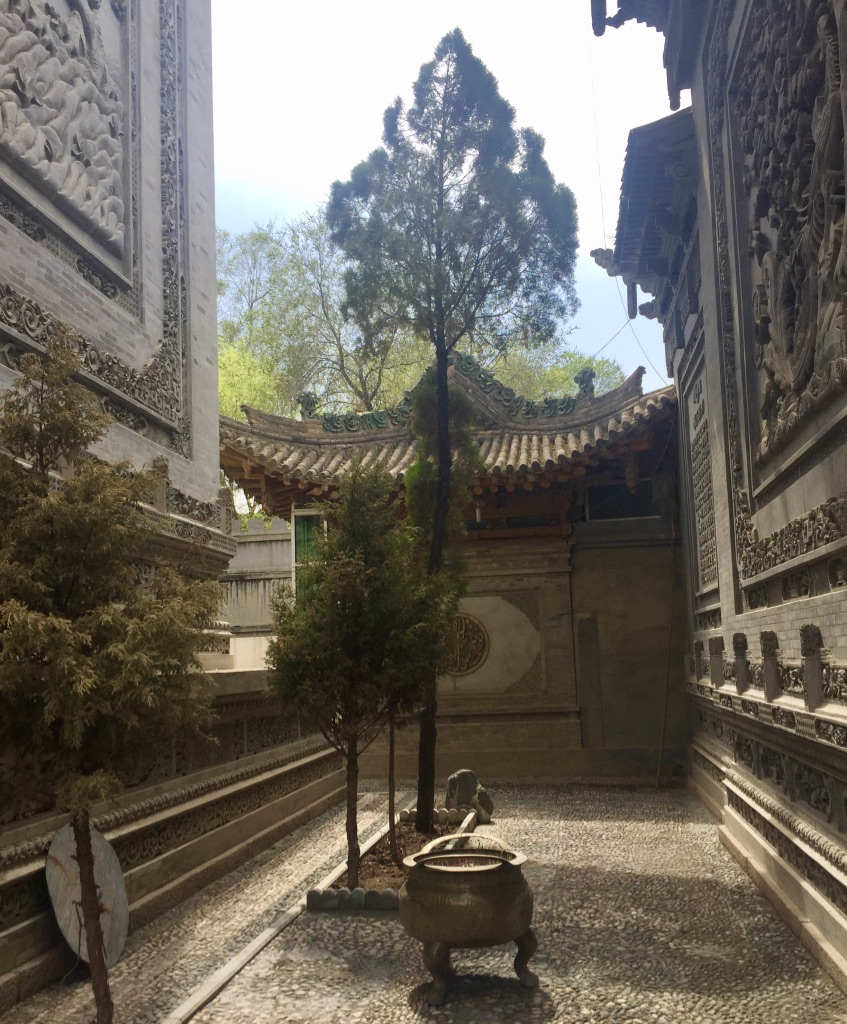


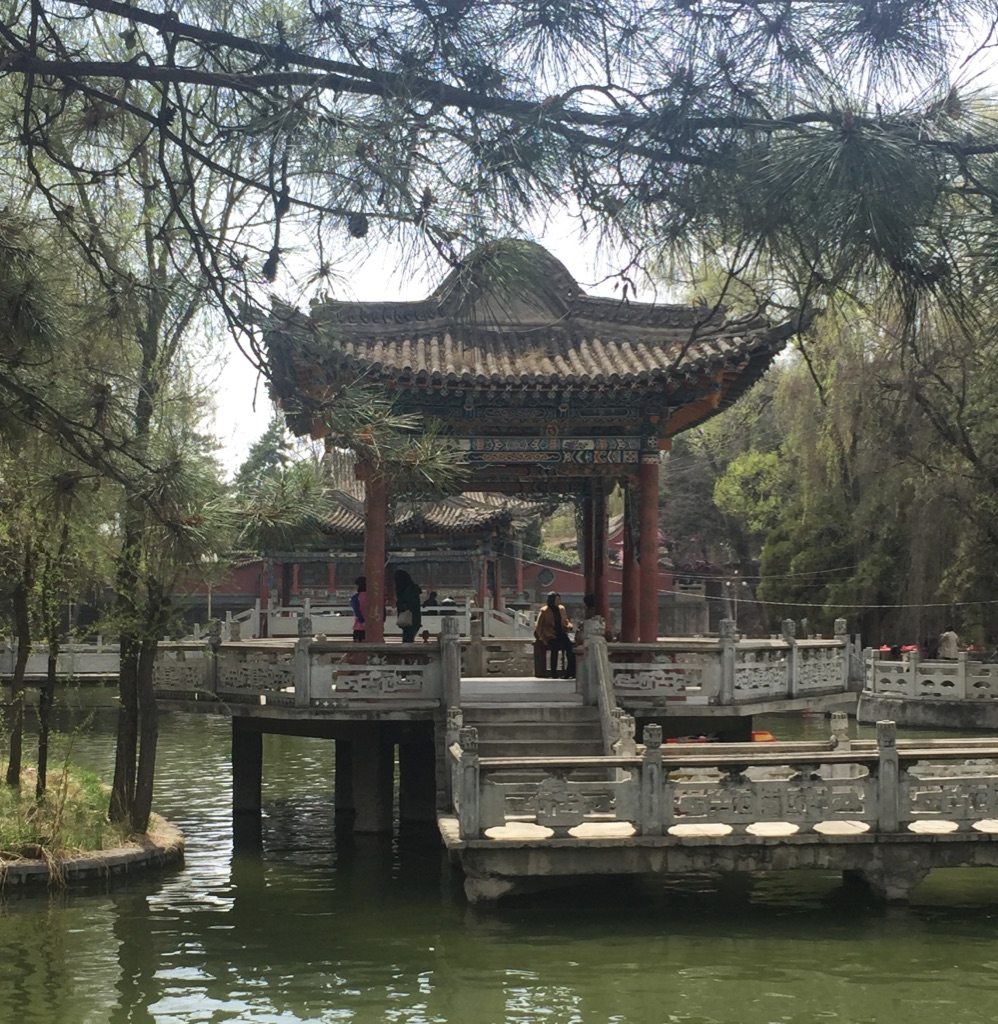
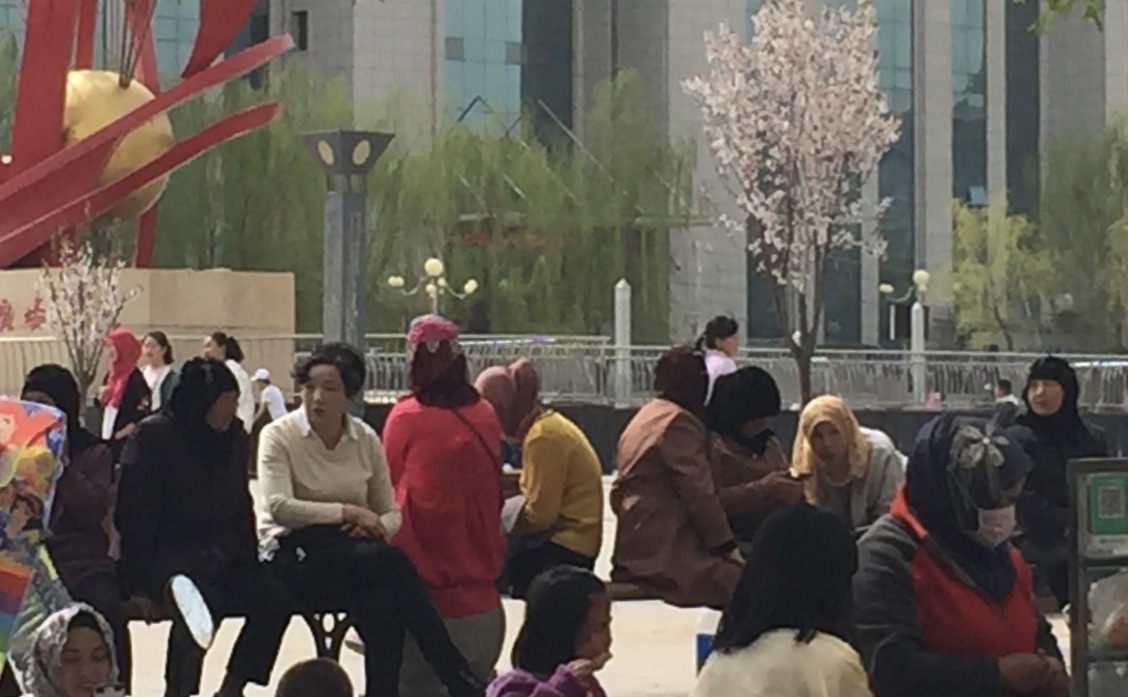


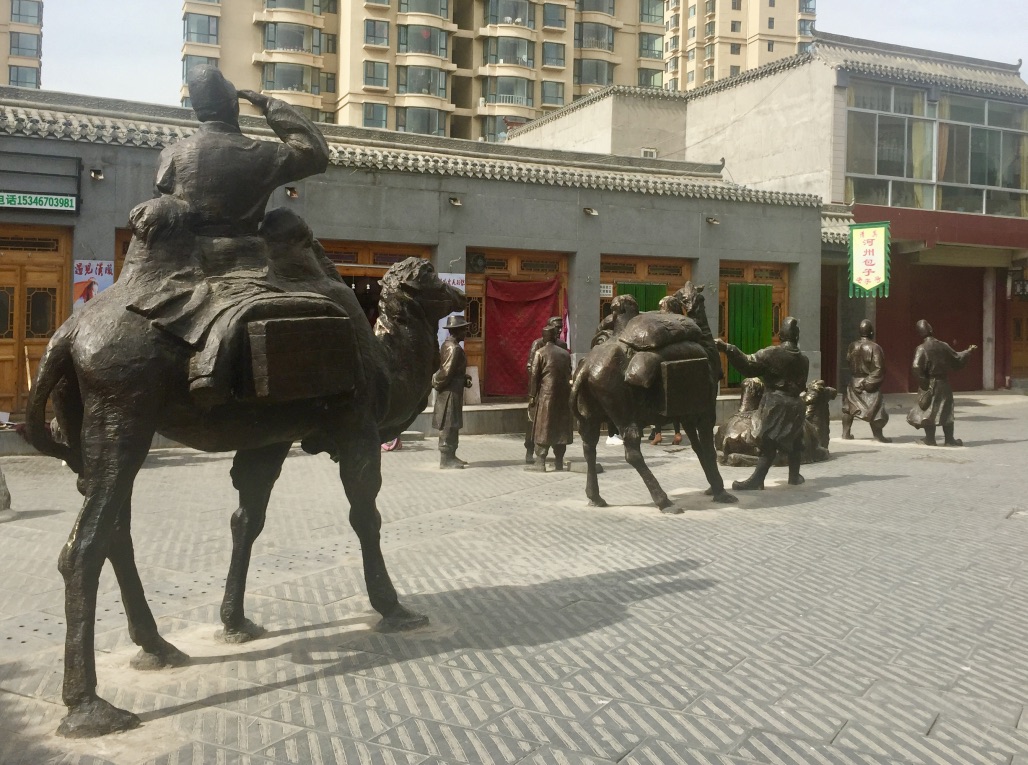

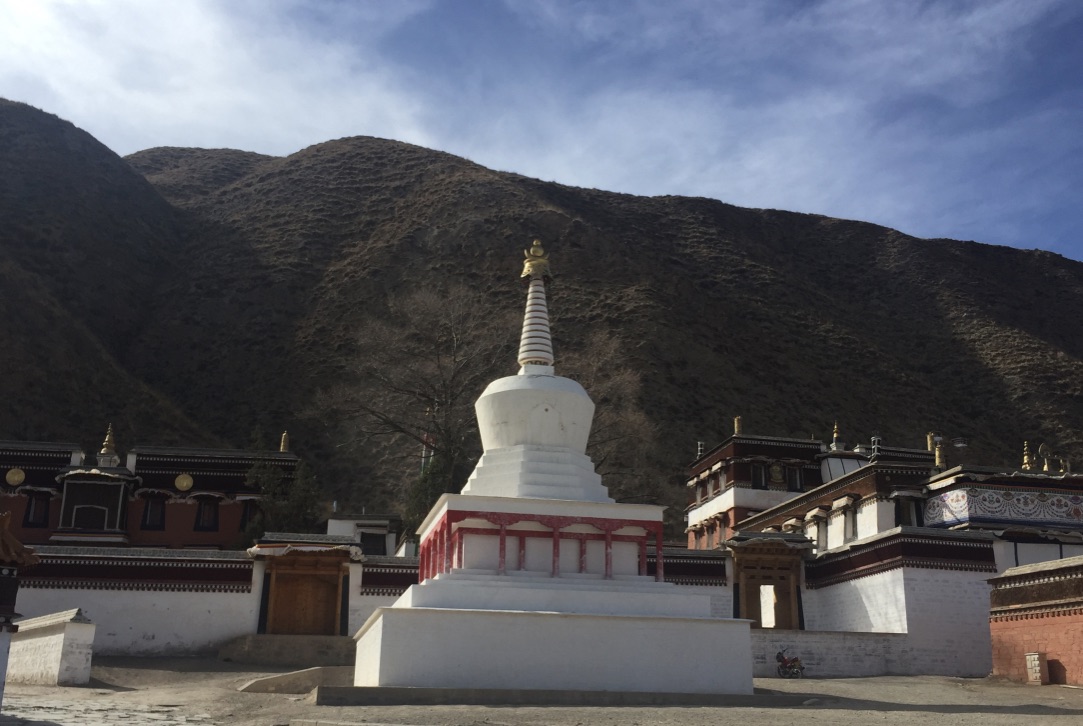


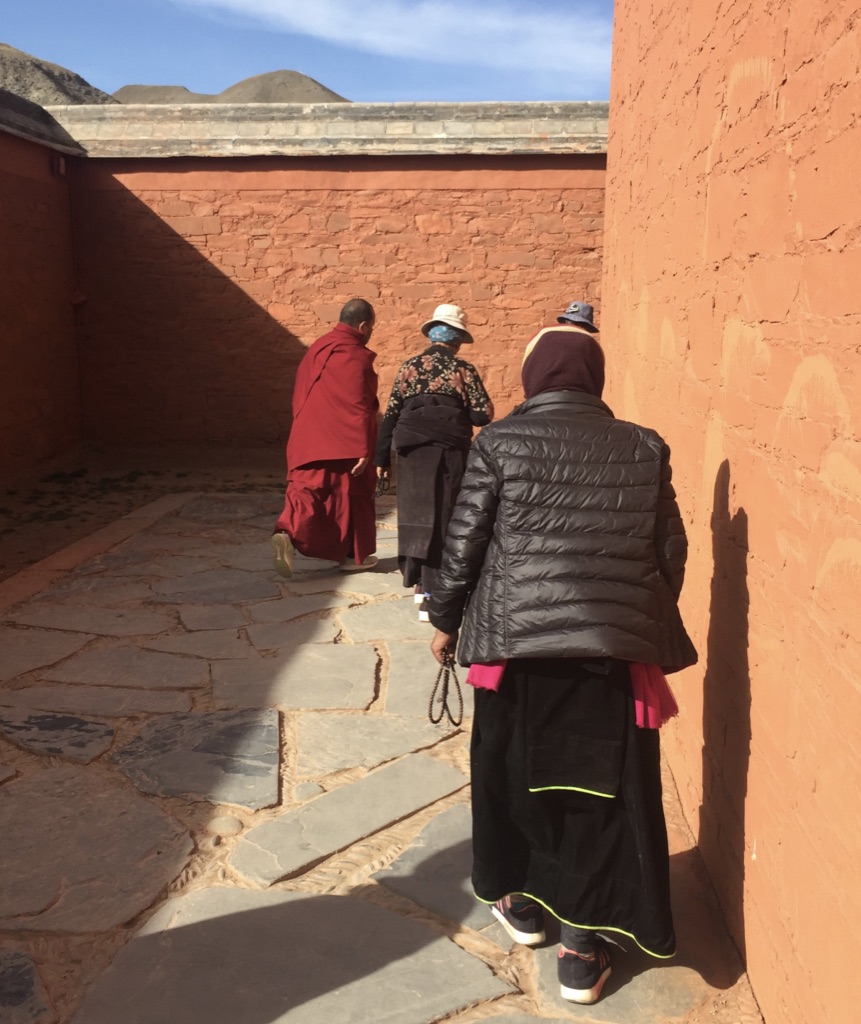
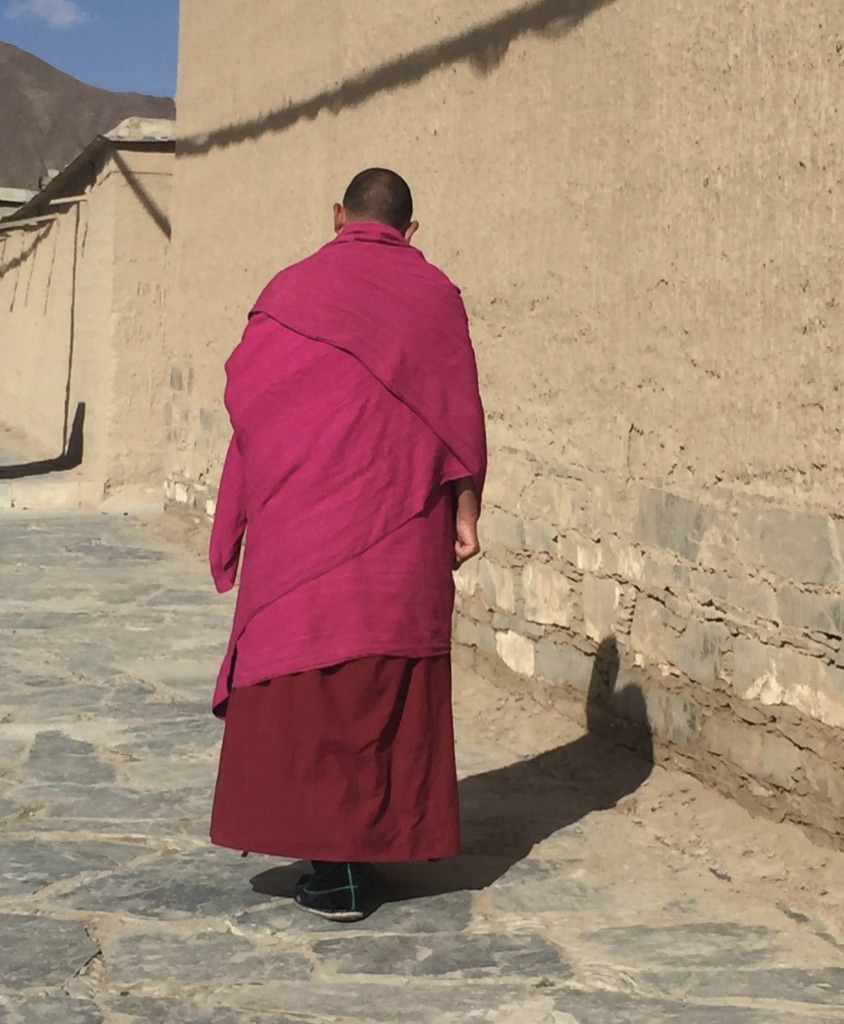


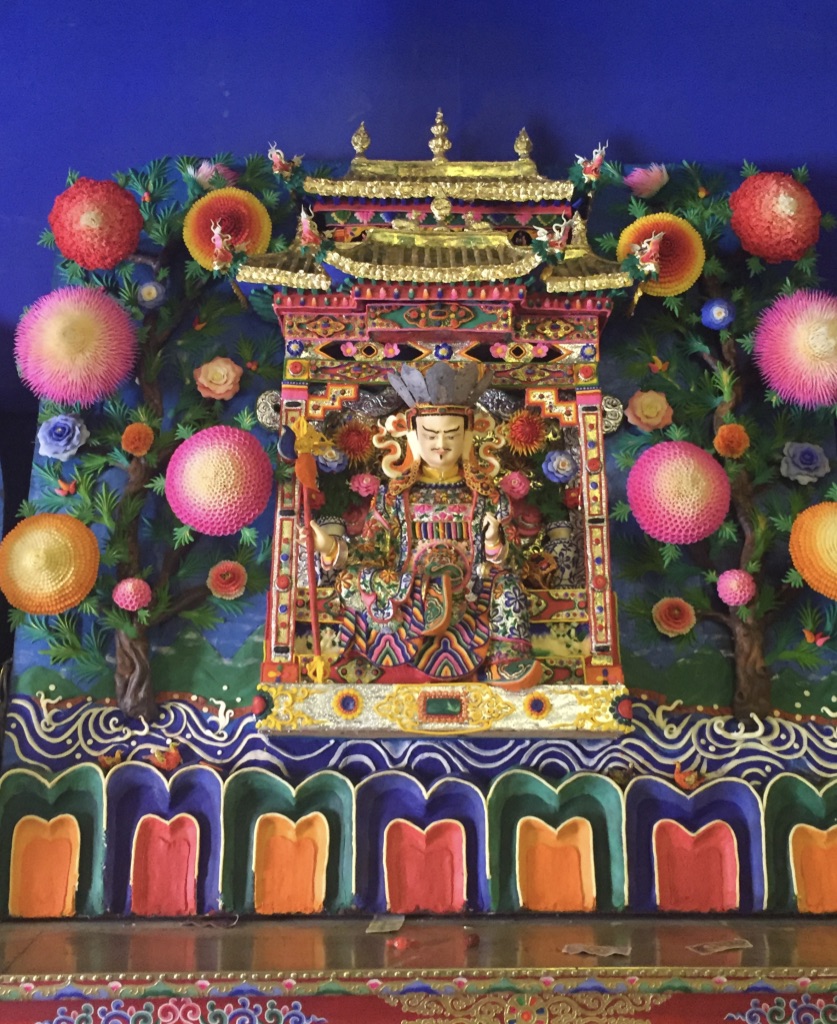
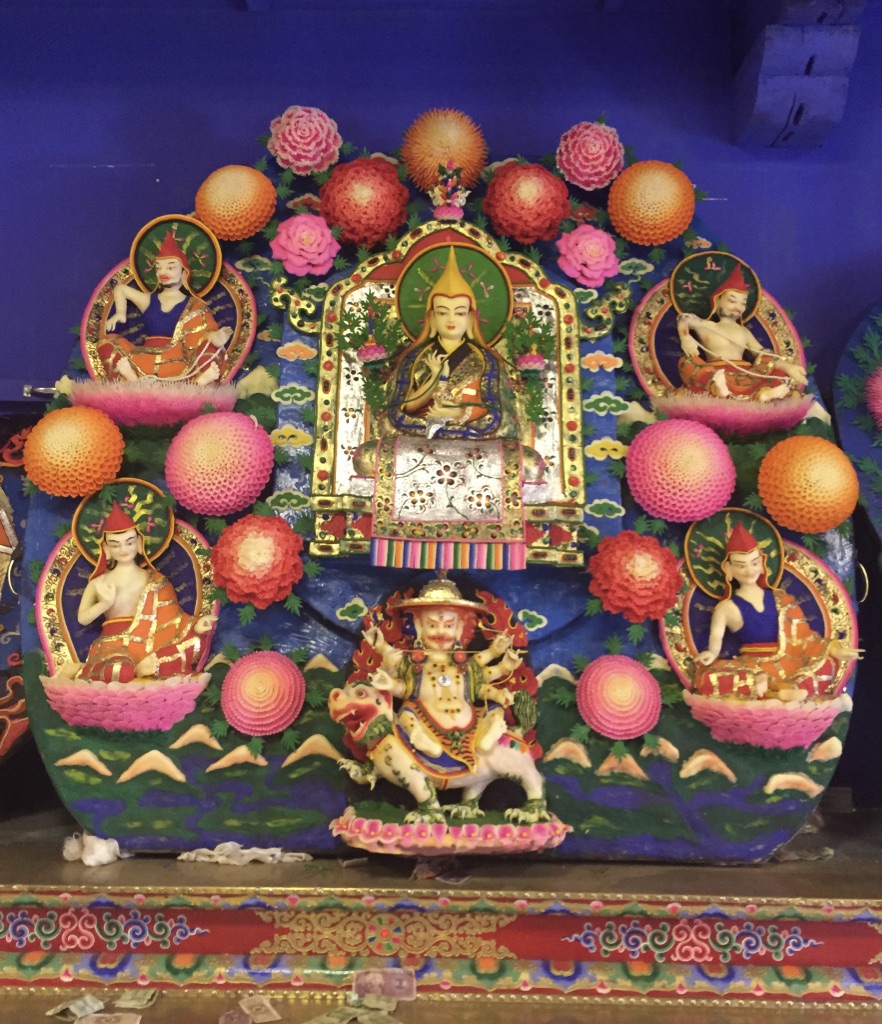

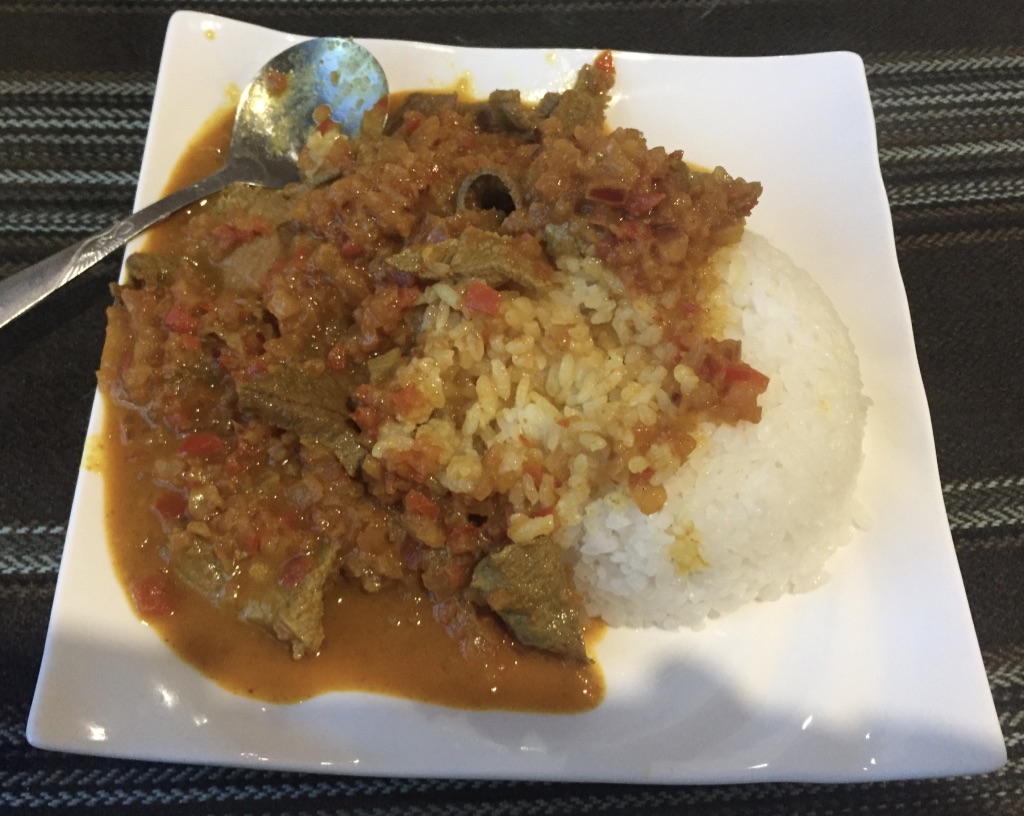

 karinameiri